How Fast Should You Respond to a Knocked-Out Tooth?

March 11, 2026

Understanding the Urgency of a Knocked-Out Tooth

A knocked-out tooth, also known as an avulsed tooth, is one of the most serious dental emergencies. The speed of your response can mean the difference between saving the tooth and permanent loss. At Gentle Dentistry, we emphasize the importance of immediate action when a tooth is knocked out, especially for front teeth, which are vital for both aesthetics and function.

Knowing what to do before you reach a dentist can significantly improve the chances of successful reimplantation.

Immediate Steps to Take

If a tooth is knocked out, follow these steps:

  • Retrieve the tooth by the crown, not the root
  • Rinse gently with water to remove dirt (do not scrub)
  • Try to place the tooth back in its socket if possible
  • If reinsertion isn’t possible, store the tooth in milk or saliva
  • Seek emergency dental care immediately

These quick actions can preserve the tooth’s viability for reimplantation at Gentle Dentistry.

Why Timing Matters

The first 30 to 60 minutes after a tooth is knocked out are critical. Research shows that teeth replanted within this window have the highest chance of survival. Delays beyond this period can reduce success rates dramatically, making timely care essential.

Patients who act quickly and get to Gentle Dentistry promptly are more likely to retain their natural tooth, avoiding more invasive procedures later.

Handling the Tooth Properly

Proper handling is just as important as speed. Avoid touching the root, as this can damage periodontal ligaments necessary for reattachment. Keep the tooth moist at all times. Containers with milk, saline, or even a small amount of saliva are effective temporary storage options until professional care is available.


Using these methods increases the likelihood that Gentle Dentistry can successfully reimplant the tooth.

Controlling Bleeding and Pain

While waiting for emergency care, control bleeding by gently applying pressure with a clean cloth or gauze. Over-the-counter pain relievers, such as acetaminophen, can help manage discomfort. Avoid aspirin, which may thin the blood and worsen bleeding.


Proper initial care can make the treatment process smoother once you reach Gentle Dentistry.

Do’s and Don’ts of a Knocked-Out Tooth

Do’s:

  • Rinse the tooth gently
  • Keep the tooth moist
  • Seek immediate dental care
  • Handle the tooth by the crown


Don’ts:

  • Do not scrub the root
  • Avoid storing the tooth in water for long periods
  • Don’t panic; quick action is key


Following these guidelines can significantly impact the outcome.

Children and Knocked-Out Teeth

Children are particularly prone to dental trauma from sports or playground accidents. Parents should educate themselves on proper care, including keeping emergency kits with milk or saline for tooth storage. Quick response for children is especially important because their developing teeth have a higher chance of successful reimplantation when treated promptly.

Gentle Dentistry offers family-focused emergency guidance to ensure children’s smiles are protected.

The Reimplantation Process

Once at the dental office, the dentist will examine the socket and clean the tooth if needed. The tooth is then repositioned into its original location and stabilized, often with a splint. Follow-up visits are required to monitor healing, and antibiotics may be prescribed to prevent infection.


At Gentle Dentistry, we prioritize both function and aesthetics when performing reimplantation procedures.

Recovery and Aftercare

After a tooth is reimplanted, patients should:

  • Maintain soft foods for several days
  • Avoid chewing directly on the treated tooth
  • Follow prescribed oral hygiene instructions carefully
  • Attend follow-up appointments to ensure proper healing


Good aftercare ensures the tooth stays in place and prevents complications like infection or root resorption.

Long-Term Considerations

Even with immediate care, a replanted tooth may require additional treatments over time, including root canal therapy or restorative procedures. Monitoring is crucial to ensure the tooth remains healthy and functional. Gentle Dentistry emphasizes ongoing care to maximize the longevity of the tooth.


Understanding the long-term process helps patients set realistic expectations and encourages consistent dental checkups.

Are Veneers Right for You?

Deciding on veneers requires a balance of aesthetic goals and dental health. At Gentle Dentistry, we assess your smile, bite, and oral hygiene to recommend the best treatment plan. Veneers can correct chips, stains, gaps, and minor alignment issues, offering a long-lasting solution for patients of all ages.


By learning from celebrities, patients can approach veneers with realistic expectations and a better understanding of the procedure’s transformative potential.

Additional Information

For more guidance on dental emergencies and caring for your teeth after trauma, check out these helpful resources:


These internal resources provide actionable advice for all types of dental emergencies, helping you respond effectively before reaching the dentist.

Feel free to share this blog with someone who might enjoy it!

Top Celebrities Who Have Veneers (and What We Can Learn from Their Smiles)
March 4, 2026
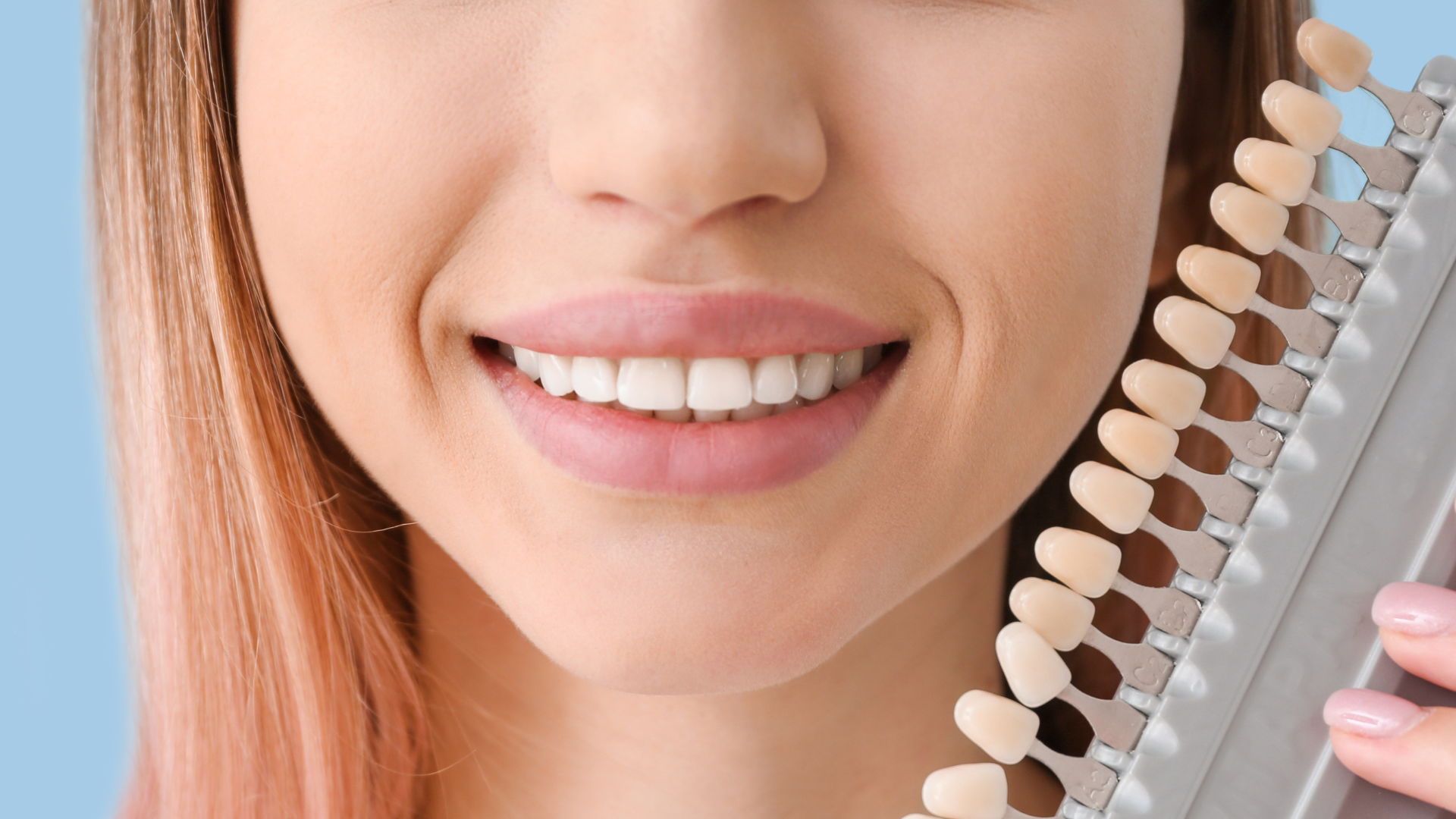
Why Veneers Are Popular Among Celebrities A flawless smile is often considered a hallmark of celebrity status, and many Hollywood stars credit veneers for their dazzling grins. Veneers are thin shells of porcelain or composite bonded to teeth to improve shape, color, and alignment. While celebrities have access to top-tier cosmetic dentistry, their choices can teach us valuable lessons about enhancing our own smiles. At Gentle Dentistry, we see firsthand how veneers can transform confidence and overall oral aesthetics. Whether for minor imperfections or full smile makeovers, veneers remain one of the most effective cosmetic solutions.
February 25, 2026
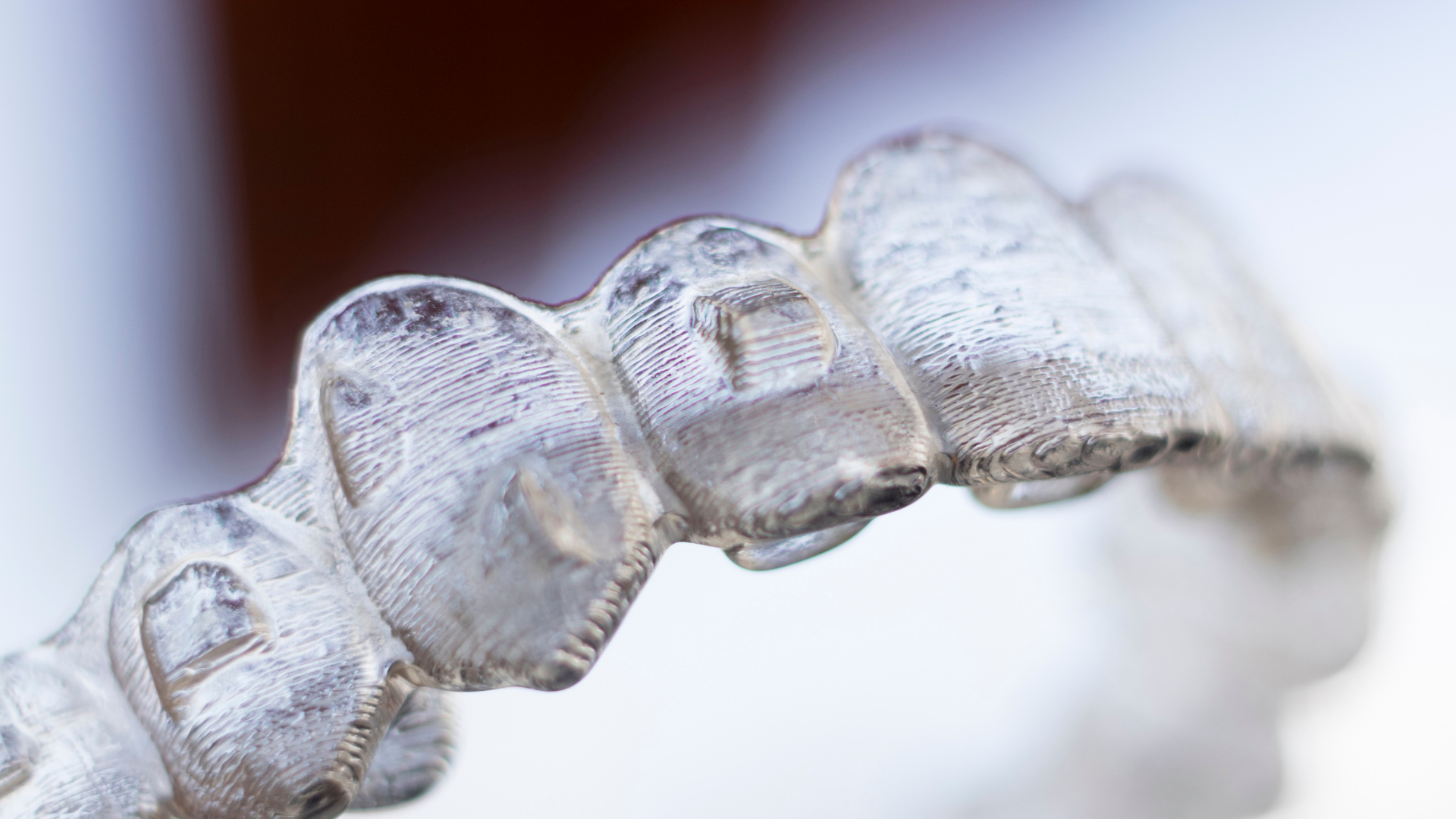
What Are Invisalign Attachments? If you are starting Invisalign treatment, you may hear your dentist mention “attachments.” For many patients, this raises immediate questions. Are they visible? Do they hurt? Are they necessary? At Gentle Dentistry , we make sure patients understand exactly what Invisalign attachments are and why they play such an important role in successful treatment. Invisalign attachments are small, tooth-colored shapes temporarily bonded to specific teeth. They act like tiny anchors, helping the aligners apply precise pressure. Without them, certain tooth movements would be much harder to achieve.
Weekend or Holiday Dental Emergencies: Who to Call and What to Do
February 18, 2026
What Counts as a Weekend or Holiday Dental Emergency? Dental problems rarely wait for a convenient time. A severe toothache, broken crown, or knocked-out tooth can happen late at night, during a holiday dinner, or while traveling over a long weekend. Knowing what qualifies as a true dental emergency helps you respond quickly and confidently. At Gentle Dentistry, we believe preparation and education can make all the difference in protecting your smile.  A dental emergency typically involves significant pain, swelling, bleeding, trauma, or signs of infection. If the issue interferes with eating, speaking, or daily function, it likely requires immediate attention. Acting quickly often prevents more serious complications later.
Show More