
How Invisalign Affects Speech and Comfort During the First Week
Starting your Invisalign® journey is exciting—it’s the first step toward achieving the straight, confident smile you’ve always wanted. But if you’re like many patients, you might have questions about how Invisalign affects your speech and comfort, especially during that first week of wearing your aligners. The truth is, some minor adjustments are perfectly normal, and with a few helpful tips, you’ll adapt faster than you think.
In this article, we’ll explore what to expect when it comes to speaking and getting comfortable with Invisalign, how to overcome initial challenges, and why the first week is such an important part of your overall success.
Understanding Invisalign and How It Works
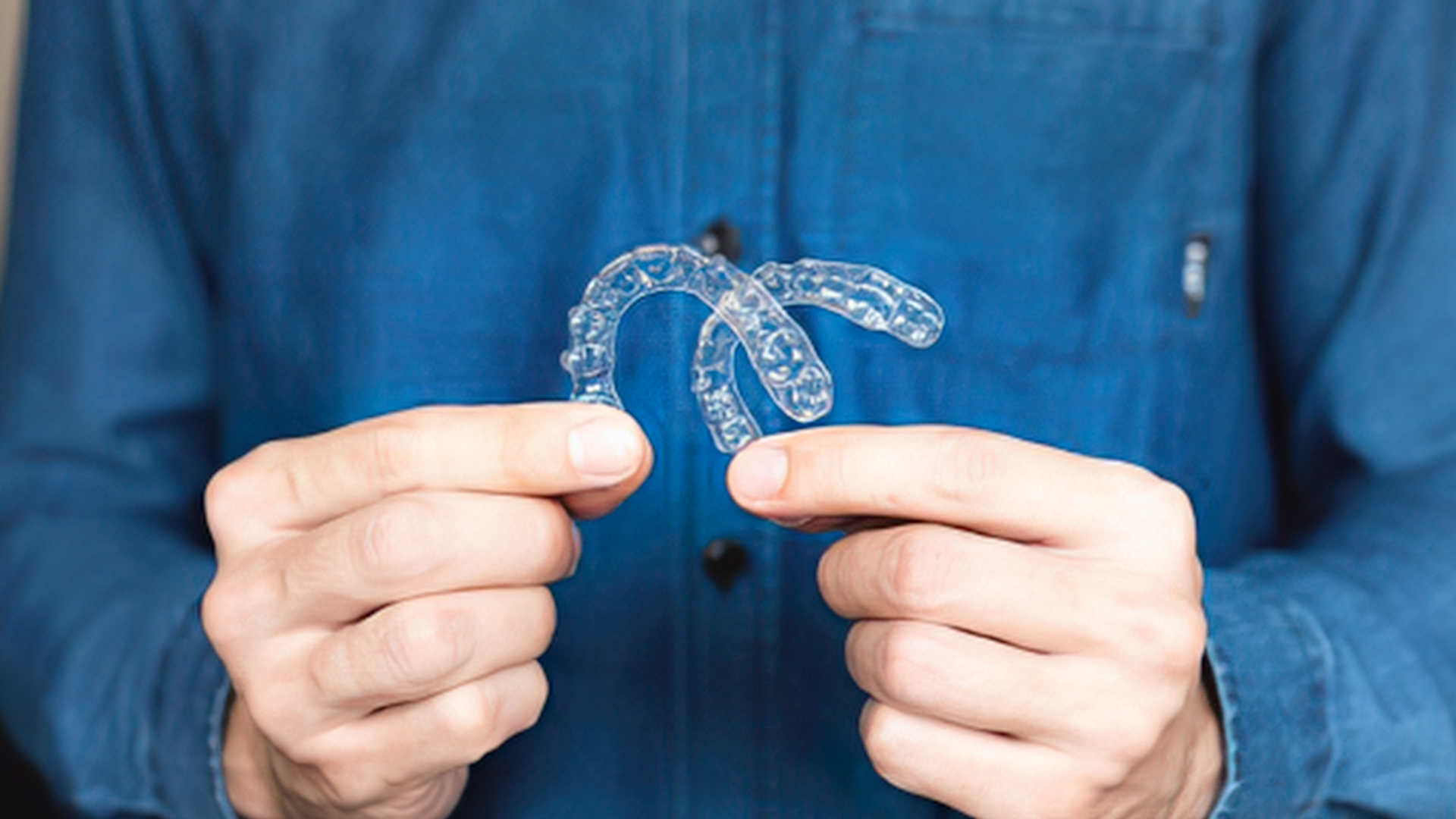
Invisalign uses a series of clear, removable aligners that gradually shift your teeth into alignment over time. Each set of trays is custom-made to fit snugly over your teeth, applying gentle pressure to guide them into position.
Because the aligners are smooth and free from metal brackets or wires, they’re generally more comfortable than traditional braces. However, that snug fit can still cause temporary sensations of pressure or slight speech adjustments—especially during the first few days.
To learn more about the overall treatment process, you can also check out our related post: Maintaining Your Invisalign: Tips for Optimal Results.
What to Expect During the First Week
The first week with Invisalign is all about adjustment. You may experience:
- A mild feeling of tightness as your teeth begin to move.
- Slight lisping or changes in pronunciation as your tongue adapts.
- Minor discomfort or tenderness, especially when inserting or removing trays.
Most of these symptoms are temporary and fade within a few days. Your mouth and tongue quickly learn to adapt to the aligners, allowing you to speak and function naturally.
How Invisalign Can Affect Speech
Some patients notice that their speech sounds slightly different when they first start Invisalign. This happens because the aligners create a thin layer between your teeth and tongue, slightly altering how certain sounds—like “s,” “sh,” or “th”—are formed.
This adjustment period is completely normal and usually lasts only a few days. Practicing speech, reading aloud, or engaging in conversation helps your tongue retrain itself to move naturally with the aligners in place. Most patients report that within a week, any minor speech differences disappear entirely.
Tips to Improve Speech Faster
If you’re feeling self-conscious about your speech during the first week, here are a few proven ways to adapt quickly:
- Practice talking frequently. The more you speak with your aligners in, the faster your mouth adjusts.
- Read aloud. Reading books or even singing along to songs can help your tongue and lips adapt to the aligners’ shape.
- Avoid taking aligners out to talk. While it might be tempting, consistently wearing them ensures you get used to them faster.
- Be patient with yourself. Remember that any speech changes are temporary—and most people around you won’t even notice.
These small efforts can significantly reduce your adjustment time and boost your confidence during conversations.
Managing Discomfort and Pressure
Slight discomfort during the first week is a good sign—it means your aligners are working. Most patients describe it as a mild pressure or tenderness, especially when switching to a new set of trays.
To manage this:
- Stick to soft foods for the first couple of days.
- Keep your aligners in as much as possible to help your teeth adjust.
- Use orthodontic wax if you experience rubbing against your gums or cheeks.
- Try cold water rinses or over-the-counter pain relief if needed.
Your mouth will quickly adapt, and by the end of the week, you’ll likely find your aligners surprisingly comfortable.
Eating and Drinking During the First Week
One of Invisalign’s biggest advantages is that it’s removable—meaning no food restrictions! However, it’s important to take your aligners out before eating or drinking anything other than water.
During the first week:
- Stick with easy-to-chew foods to reduce tenderness.
- Always brush and rinse before reinserting your aligners to prevent staining or bacterial buildup.
- Avoid hot drinks with your aligners in—they can warp the plastic.
Good oral hygiene is especially important early in treatment to keep your aligners clear and your mouth feeling fresh.
Adjusting to the Routine
One of the biggest adjustments during your first week is simply getting used to the routine of wearing and maintaining your aligners. You’ll need to wear them 20–22 hours per day for the best results, removing them only for eating, drinking, and brushing.
Many patients find that setting reminders on their phone helps them stay consistent. Within a few days, it becomes second nature—like brushing your teeth. The more consistent you are, the faster you’ll progress toward your new smile.
Why Comfort Improves Over Time
It’s worth noting that comfort levels increase significantly after the first week. As your teeth adjust and your mouth becomes familiar with the aligners, you’ll barely notice them.
Each new tray in your series will cause minor pressure for a day or two, but it’s much less noticeable than that initial adjustment. Over time, you’ll be able to talk, eat, and smile with total ease—often forgetting you’re wearing aligners at all.
When to Contact Your Dentist
While mild discomfort is normal, there are times you should reach out to your dentist or orthodontist. Contact your provider if:
- You experience sharp pain or irritation that doesn’t improve after a few days.
- An aligner feels like it doesn’t fit properly or is causing gum sores.
- You lose or damage a tray.
At Gentle Dentistry, our team is always here to help make your Invisalign journey as smooth as possible. We’ll ensure your aligners fit comfortably and that your treatment stays on track from start to finish.
Embracing Your New Smile Journey
Starting Invisalign is more than just a cosmetic decision—it’s an investment in your confidence and health. That first week might require a little patience, but once your mouth adjusts, you’ll enjoy all the benefits of a discreet, comfortable, and effective orthodontic solution.
Remember, every small adjustment leads to big results. In a few short months, you’ll see the transformation you’ve been hoping for—and you’ll be glad you stuck with it.
Additional Information
If you’re interested in learning more about Invisalign care and results, check out these related resources from Gentle Dentistry:
- Maintaining Your Invisalign: Tips for Optimal Results
- Does Dental Insurance Cover Invisalign? Financing Your Smile
These guides provide practical advice to help you stay on track, keep your aligners clean, and make the most out of your treatment experience.
Ready to Begin Your Invisalign Journey?
The first week with Invisalign may bring small challenges, but they’re easy to overcome with the right mindset—and the right dental team. At Gentle Dentistry, we’re committed to helping patients feel comfortable and confident every step of the way.
If you have questions about what to expect with Invisalign or want to start your treatment, reach out to our team today. We’ll walk you through every stage of the process and help you achieve the smile you’ve always wanted—comfortably and confidently.