When Should You Seek Emergency Dental Care?

April 2, 2025

Understanding the Urgency of Dental Emergencies

Dental emergencies can occur at any time, often when you least expect them, and may range from sudden tooth pain to traumatic injuries. Recognizing when to seek immediate dental care is crucial for preventing further complications, reducing pain, and preserving your oral health. This comprehensive guide will walk you through common scenarios that require emergency attention, offering practical advice and examples to help you determine when professional care is needed. Whether you’re experiencing severe pain or dealing with a knocked-out tooth, knowing the signs can make all the difference in the outcome of your treatment. For additional insights, visit the American Dental Association’s Dental Emergencies page.

Recognizing a Dental Emergency

Understanding what constitutes a dental emergency is the first step toward effective intervention. A dental emergency is any situation where immediate treatment is required to alleviate severe pain, control bleeding, prevent infection, or save a tooth from further damage. Common indicators include extreme sensitivity, uncontrolled bleeding, severe swelling, or significant trauma to the mouth. It is important to differentiate between minor issues that can wait for a scheduled appointment and true emergencies that require prompt attention. By being informed, you can reduce the risk of permanent damage and avoid complications that might result from delayed treatment.

Severe Tooth Pain: When Discomfort Signals Danger

Severe tooth pain is one of the most common signs that indicate an underlying dental problem. It may be caused by a deep cavity, an abscess, or an infection that has spread beyond the tooth. When pain becomes constant and unresponsive to over-the-counter medications, it is a clear signal that you should seek emergency dental care. For example, if you wake up with throbbing pain in your lower molar that disrupts your sleep and daily routine, it could be a sign of an infection requiring immediate treatment. Learn more about managing tooth pain on WebMD’s Dental Emergency Guide.

Knocked-Out Tooth: Acting Quickly to Save Your Tooth

A knocked-out tooth is one of the most critical dental emergencies, where every minute counts. If a tooth is completely dislodged, the chances of successful reimplantation are highest if you act within 30 minutes. When handling a knocked-out tooth, be sure to pick it up by the crown (the chewing surface) rather than the root, rinse it gently with water, and, if possible, reinsert it into the socket. If reinsertion is not feasible, store the tooth in a container with milk or a saline solution while you make your way to the dentist. This prompt action can make the difference between saving and losing the tooth. For detailed guidelines, visit the Cleveland Clinic’s Dental Emergency Resource.

Broken or Chipped Tooth: Preventing Further Damage

A broken or chipped tooth can lead to sharp edges, discomfort, and an increased risk of infection if left untreated. Even a minor chip may cause sensitivity to hot and cold, and larger fractures can affect your bite and appearance. It is important to save any broken pieces and rinse your mouth with warm water to clear away debris. Seeking immediate dental care can help repair the tooth, either through bonding, veneers, or crowns, depending on the extent of the damage. Consider a scenario where a child accidentally chips a front tooth during play—prompt attention can prevent long-term complications and preserve the natural look of the smile. For more information, check out Colgate’s Overview on Dental Emergencies.

Lost Fillings or Crowns: Temporary Fixes and Urgent Care

Losing a filling or a crown can expose your tooth to sensitivity and decay, making it another situation where prompt care is necessary. When a filling or crown comes off, it leaves the underlying tooth vulnerable to bacteria and further damage. If you experience this, rinse your mouth thoroughly, and if possible, try to locate and store the lost crown or filling for your dentist to examine. While over-the-counter dental cement might provide a temporary solution, you should seek professional care as soon as possible to restore the tooth properly. Addressing such issues immediately can prevent more serious dental problems down the line.

Dental Abscess: Recognizing Signs of Infection

A dental abscess is a serious infection that can develop at the root of a tooth or in the surrounding gum tissue. Symptoms typically include severe, throbbing pain, swelling, a bad taste in the mouth, and sometimes fever. An untreated abscess can spread the infection to other parts of the body, leading to more severe health complications. If you suspect an abscess, it is imperative to seek emergency care to drain the infection and begin antibiotic treatment. For further reading on this topic, visit the American Dental Association’s Information on Dental Abscesses.

Soft Tissue Injuries: Managing Cuts and Lacerations

Injuries to the soft tissues of your mouth, including the gums, tongue, and inner cheeks, can occur during accidents or dental procedures. These injuries can lead to significant pain, bleeding, and a risk of infection if not properly managed. The first step is to rinse your mouth with warm saltwater to reduce bacteria and soothe the affected area. Applying pressure with a clean cloth or gauze can help control bleeding, and a cold compress applied to the outside of your cheek can reduce swelling. If the injury appears severe or the bleeding does not stop after 15 minutes, seek emergency dental or medical care immediately.

Loosened or Dislodged Tooth: Stabilizing Your Smile

A tooth that becomes loose or partially dislodged due to trauma is another scenario that requires prompt attention. Such an injury may not seem as painful initially but can lead to long-term dental issues if not treated. If you notice that a tooth has become unstable, avoid chewing on that side and try to keep your mouth as calm as possible. An emergency dentist can often reposition and stabilize the tooth, increasing the likelihood of saving it. Quick intervention in these cases is crucial to prevent permanent damage or loss of the tooth.

Preventive Measures: Regular Check-Ups and Safety Practices

While emergencies can occur, many dental crises can be prevented through regular dental check-ups and good oral hygiene practices. Routine examinations allow your dentist to identify potential issues before they escalate into emergencies. Additionally, wearing protective gear during sports or other high-risk activities can significantly reduce the risk of dental injuries. Educating yourself about proper dental care and being proactive about your oral health can help minimize the occurrence of emergencies. For more preventive tips, visit Colgate’s Dental Care and Prevention page.

When to Seek Immediate Professional Help

Determining the right time to seek emergency dental care can sometimes be challenging. If you experience any of the following symptoms, it’s best to contact your dentist immediately: severe and persistent pain, uncontrolled bleeding, significant swelling, signs of infection (such as fever or pus), or a tooth that has been knocked out or loosened. Waiting too long to address these issues can lead to more severe complications and may result in more extensive—and expensive—treatment later on. Trust your instincts: if something doesn’t feel right, it’s better to be safe and seek professional help.

Sample Scenario: Dental Emergency

Imagine waking up on a weekend with intense, throbbing pain in your lower jaw. You try to manage it with pain relievers, but the discomfort only worsens as the day progresses. Later, while enjoying a family picnic, you accidentally slip, and a sharp object chips your front tooth. The combination of pain and visible damage leaves you anxious and unsure about what to do next. In this scenario, seeking immediate dental care is crucial not only to relieve your pain but also to prevent further damage and potential infections. This example underscores the importance of recognizing emergency situations and acting swiftly.

Conclusion: Be Prepared and Act Promptly

Understanding when to seek emergency dental care is key to maintaining your overall health and protecting your smile. Whether you’re experiencing severe pain, dealing with a knocked-out tooth, or facing a dental abscess, prompt action can significantly improve your treatment outcomes. Remember, even seemingly minor issues can escalate if left untreated, so it’s important to trust your instincts and consult a dental professional when necessary. By staying informed and proactive about your dental health, you can minimize the risk of complications and ensure a smoother recovery.


If you have any questions or need guidance on handling a dental emergency, please reach out to us for a consultation. We're here to help you navigate these challenging situations and ensure you receive the care you need.

Feel free to share this blog with someone who might enjoy it!

Is Bleeding After a Dental Injury Normal or a Sign of Emergency Care Needed?
July 29, 2026
Understanding When Bleeding Means You Should See an Emergency Dentist A dental injury can happen when you least expect it. Whether you bite down on something hard, fall while playing sports, or experience an accident, seeing blood in your mouth can be frightening. One of the first questions many people ask is, "Is this normal, or do I need emergency dental care?" The answer depends on how much you're bleeding, where the bleeding is coming from, and whether it's accompanied by other symptoms.  The good news is that not every dental injury is a life-threatening emergency. Minor cuts to the lips or gums may bleed for a short time before stopping on their own. However, heavy or persistent bleeding should never be ignored because it may indicate a more serious injury involving your teeth, gums, jaw, or surrounding tissues. At Gentle Dentistry, we encourage patients to seek professional guidance anytime they experience significant bleeding after a dental injury. Quick action can often prevent complications and improve the chances of saving damaged teeth.
How Natural Do Veneers Actually Look in Real Life?
By Elijah J July 22, 2026
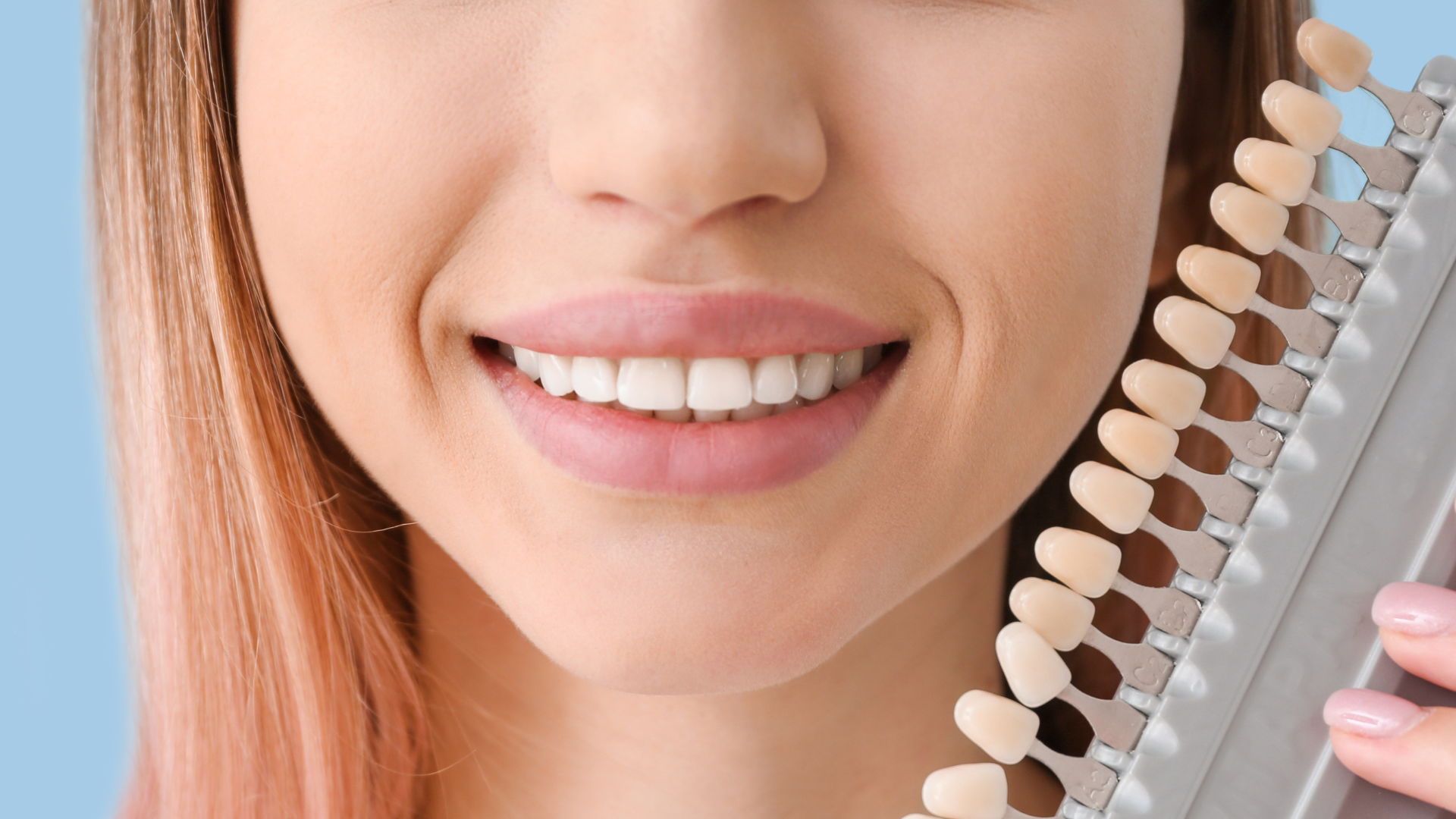
The Truth About Modern Veneers and Creating a Smile That Looks Like You One of the biggest concerns people have before getting veneers is whether everyone will immediately notice them. Many patients worry they'll end up with teeth that look unnaturally bright, perfectly identical, or obviously "fake." The good news is that modern porcelain veneers have come a long way, and when they're designed correctly, they can look remarkably natural. In fact, the best veneers often go unnoticed because they simply look like healthy, beautiful teeth. Natural-looking veneers are not created by chance. They require careful planning, high-quality materials, and a personalized approach that considers your facial features, smile, and personality. At Gentle Dentistry, every veneer treatment is customized to complement the individual rather than creating the same smile for every patient. The goal is to enhance your natural appearance, not completely change who you are.
What Is the Difference Between SureSmile® and Other Clear Aligners?
July 15, 2026
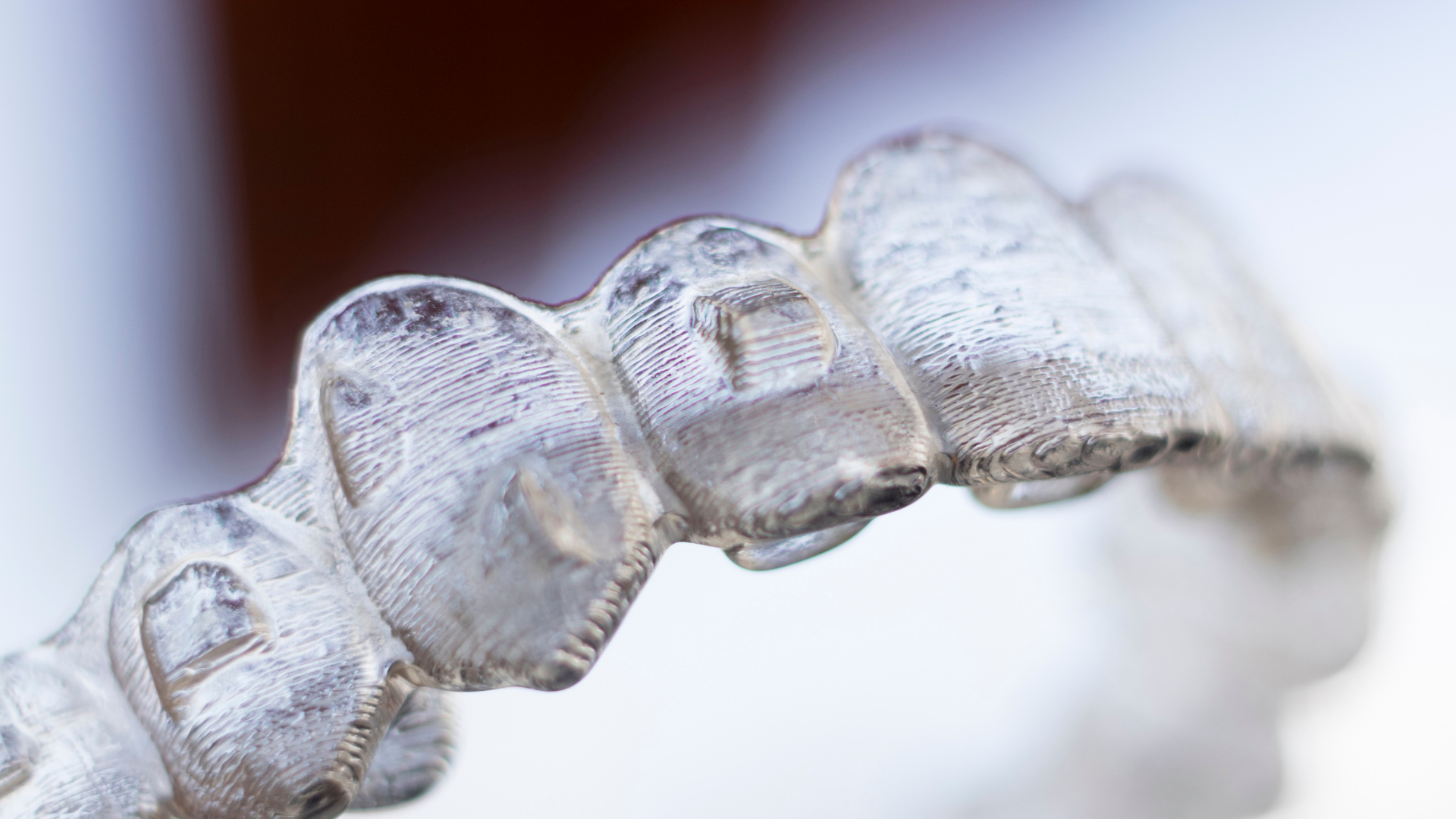
Understanding What Sets SureSmile® Clear Braces Apart If you're considering clear aligners to straighten your teeth, you've probably noticed that there are several options available. While many aligner systems appear similar at first glance, they are not all designed the same way. Differences in technology, treatment planning, materials, and professional oversight can significantly impact your overall experience and results. Understanding these differences is one of the best ways to choose a treatment that fits your smile goals.  SureSmile® Clear Braces have become an increasingly popular option for patients seeking a discreet way to improve their smiles. Rather than focusing only on cosmetic improvements, SureSmile® combines advanced digital planning with personalized care from a dental professional. At Gentle Dentistry, we take the time to explain how SureSmile® works so patients can feel confident about their treatment decisions. Knowing what makes SureSmile® unique helps you understand why it may be the right choice for your smile.
Show More