
Are SureSmile® Clear Braces Noticeable When You Talk or Smile?

May 13, 2026

Understanding How Visible SureSmile® Clear Braces Really Are

One of the biggest reasons people choose clear braces is simple: they want a straighter smile without drawing attention to their treatment. Whether you are speaking in meetings, attending school, going on dates, or posting photos online, appearance matters. At Gentle Dentistry, one of the most common questions we hear is whether SureSmile® Clear Braces are noticeable when talking or smiling.


The short answer is that SureSmile® Clear Braces are designed to be far less noticeable than traditional metal braces. Most people will not immediately notice them during everyday conversations, especially after the first few days of wear.

Quick Answer: Are SureSmile® Clear Braces Easy to Notice?

Here is the simple answer many patients are searching for:

  • SureSmile® Clear Braces are designed to be discreet
  • Most people notice them far less than traditional braces
  • They may be slightly visible up close or in bright lighting
  • Speech adjustments are usually temporary
  • Confidence often improves quickly after patients adapt to them

At Gentle Dentistry, many patients tell us that friends or coworkers did not even realize they were wearing clear braces until they mentioned it themselves.

Why Clear Braces Look More Natural Than Traditional Braces

Traditional braces use metal brackets and wires that are immediately visible. SureSmile® Clear Braces, on the other hand, are created with aesthetics in mind. Depending on the treatment type, the materials are designed to blend more naturally with your teeth.


This subtle appearance is especially appealing to adults and teens who want orthodontic treatment without feeling self-conscious. At Gentle Dentistry, patients often choose SureSmile® because it allows them to improve their smile more comfortably and confidently.

Are SureSmile® Clear Braces Visible When You Smile?

In most situations, SureSmile® Clear Braces are only minimally noticeable when smiling. During casual conversations or photos, people are usually focused on your facial expressions and overall appearance rather than closely examining your teeth. Certain lighting conditions or close-up interactions may make the aligners or brackets slightly more visible. However, compared to traditional braces, the difference in visibility is significant. This is one reason why so many professionals and adults choose treatment at Gentle Dentistry.

What About Talking? Will People Notice Them Then?

Many first-time patients worry that clear braces will affect how they sound when speaking. The good news is that most speech changes are mild and temporary. Some people experience a slight lisp or adjustment period during the first few days.


Your tongue and mouth muscles simply need time to adapt to the new appliance. At Gentle Dentistry, we reassure patients that speech almost always returns to normal quickly with regular conversation and practice.

The First Week: What Patients Typically Experience

The first week is usually the biggest adjustment period for SureSmile® Clear Braces. Patients may notice:

  • Mild tightness or pressure
  • Increased awareness of the aligners or braces
  • Minor speech changes
  • More saliva production initially
  • Slight self-consciousness during the first few days

These effects are temporary and tend to improve quickly. Most patients adapt faster than they expected.

Why Confidence Often Improves During Treatment

Interestingly, many patients become more confident even before treatment is complete. Knowing that they are actively improving their smile can have a positive emotional impact. At Gentle Dentistry, patients frequently say they smile more during treatment because the braces are subtle enough that they do not feel embarrassed wearing them. Instead of hiding their teeth, they feel encouraged by the progress they are making.

Are SureSmile® Clear Braces Good for Working Professionals?

For professionals, appearance and communication are especially important. Many adults avoid orthodontic treatment for years because they fear metal braces will affect their image at work. SureSmile® Clear Braces provide a more discreet option.


Whether you work in sales, healthcare, education, or customer service, clear braces allow you to continue speaking confidently with minimal visual distraction. At Gentle Dentistry, many working adults appreciate having an orthodontic option that fits naturally into their daily life.

Example: Small Adjustments, Big Confidence Boost

Imagine a college student preparing for presentations and social events. They are nervous about getting orthodontic treatment because they do not want braces to stand out in photos or conversations. After starting SureSmile® treatment at Gentle Dentistry, they realize most classmates barely notice the aligners.


Within a few weeks, speaking feels normal again, and confidence starts to grow as their teeth gradually shift into better alignment. This kind of experience is very common among patients choosing clear braces.

Tips to Make SureSmile® Even Less Noticeable

While SureSmile® Clear Braces are already discreet, a few habits can make them even less noticeable:

  • Keep aligners or braces clean to prevent staining
  • Maintain good oral hygiene
  • Avoid foods and drinks that discolor teeth
  • Practice speaking out loud during the first few days
  • Follow all treatment instructions consistently

At Gentle Dentistry, we help patients learn simple habits that keep their treatment looking as natural as possible.

How SureSmile® Helps You Stay Comfortable Socially

Social comfort matters more than many people realize. Whether you are attending weddings, interviewing for jobs, or simply meeting new people, confidence in your smile can affect how you feel in conversations. SureSmile® Clear Braces are designed to support both aesthetics and comfort. Instead of feeling like your orthodontic treatment becomes the center of attention, most patients find it blends naturally into their daily routine.

Additional Information

If you want to learn more about SureSmile® Clear Braces and what to expect during treatment, these additional resources may help:


These resources provide helpful insight into comfort, treatment expectations, and daily routines with clear braces.

A Straighter Smile Without the Spotlight

SureSmile® Clear Braces are designed to straighten teeth while staying as discreet as possible. While there may be a short adjustment period, most patients quickly adapt and feel comfortable speaking and smiling naturally. At Gentle Dentistry, we help patients achieve healthier, more confident smiles without the worry that treatment will dominate their appearance.


If you have questions about SureSmile® Clear Braces or want to find out if they are right for you, reach out to Gentle Dentistry today to get started.

Feel free to share this blog with someone who might enjoy it!

Can You Get Veneers on Crooked Teeth Without Orthodontics?
September 23, 2026
If you have crooked teeth, you may assume that braces or clear aligners are the only way to improve your smile. But what if your teeth are only slightly crooked and your main goal is to change how they look? In some cases, veneers can create the appearance of a straighter, more even smile without orthodontic treatment. The important distinction is that veneers change the visible shape of your teeth, while orthodontics physically moves teeth into different positions.
What Happens If You Don’t Wear SureSmile® Aligners Enough Hours?
September 16, 2026
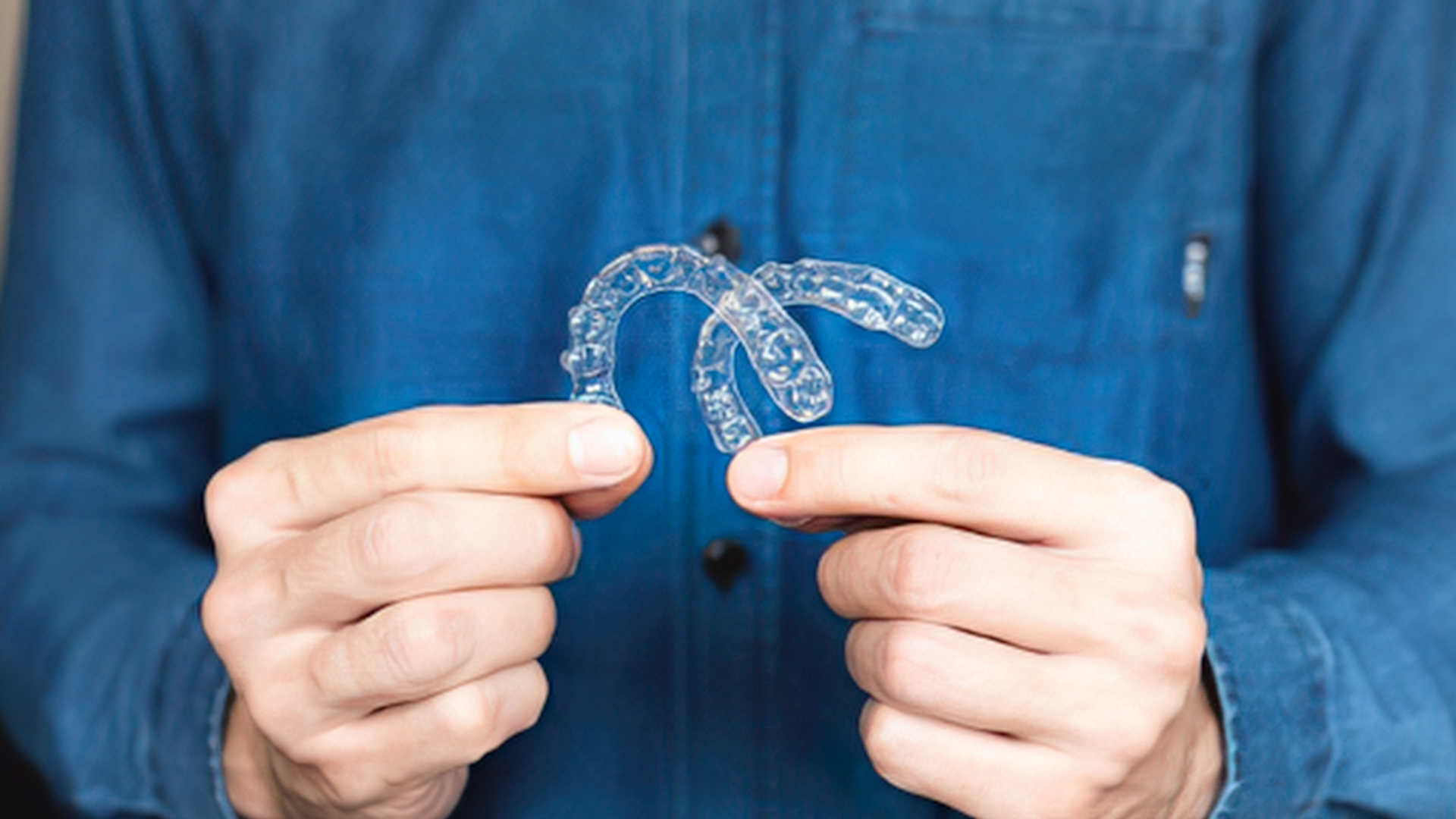
How Many Hours a Day Should You Wear SureSmile® Aligners? One of the biggest advantages of SureSmile® Clear Braces is that the aligners are removable, making it easier to eat, brush, floss, and go about your day without traditional brackets and wires. But that convenience also means you have an important role in your treatment progress because the aligners only work while you are wearing them. SureSmile® recommends wearing its aligners according to your doctor's instructions, typically about 20 to 22 hours each day, including while sleeping. At Gentle Dentistry, we want patients to understand that consistent wear is not simply a suggestion, but an important part of getting the results outlined in their personalized treatment plan. If you occasionally leave your aligners out a little longer than planned, there is no reason to panic. Life happens, and a forgotten aligner after lunch or an unexpectedly long dinner does not automatically ruin your treatment. The concern is when those missed hours become a regular pattern, because your teeth may not move according to the schedule your dentist planned. SureSmile® treatment is doctor-directed and includes regular check-ins specifically so your dentist can monitor whether your treatment is staying on track. Understanding what can happen when wear time consistently falls short can help you recognize when it is time to adjust your routine or contact Gentle Dentistry for guidance.
What Happens During an Emergency Dental Appointment? Step-by-Step Guide
September 9, 2026
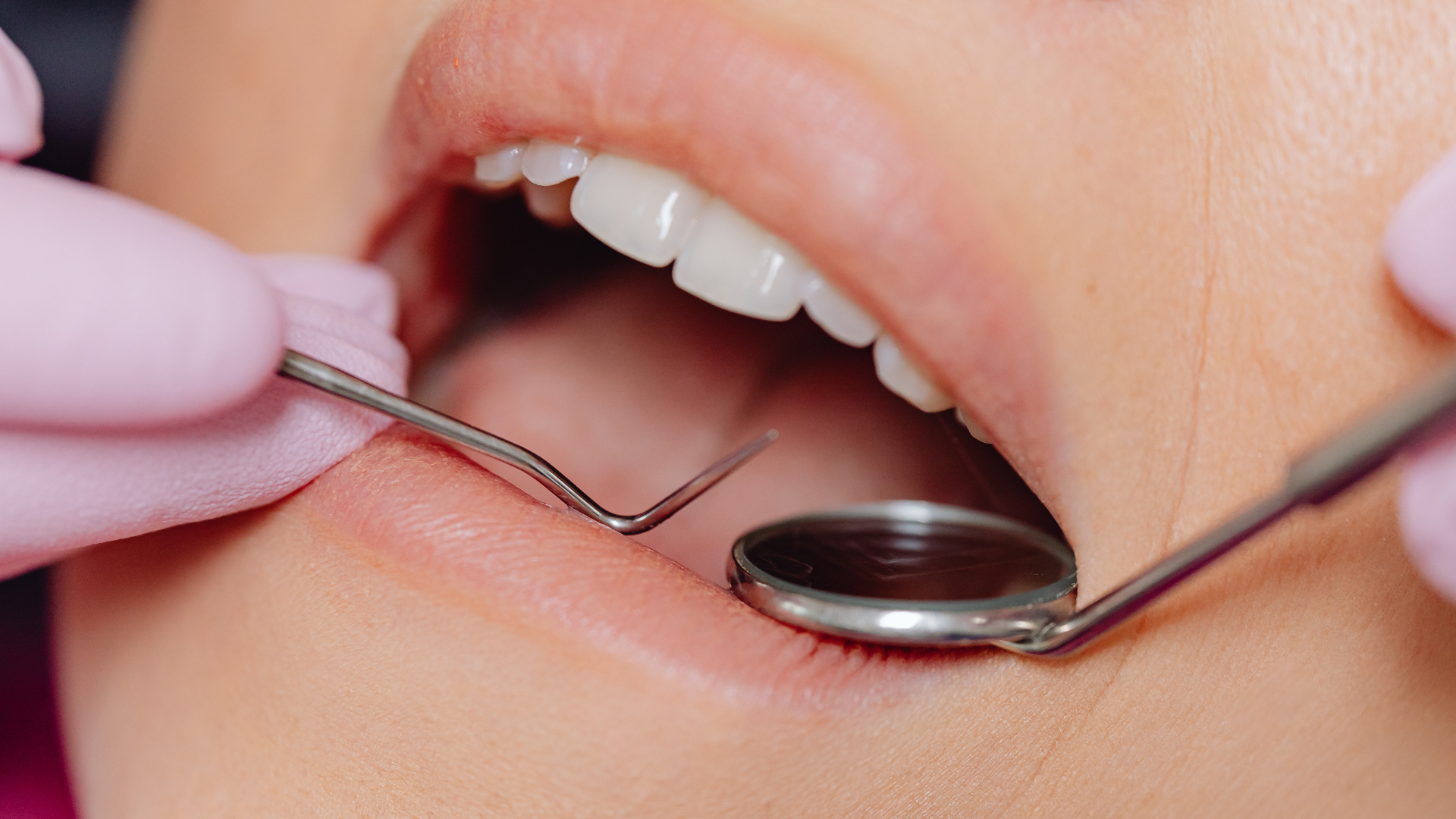
What to Expect During an Emergency Dental Appointment When a dental emergency happens, the pain or sudden damage can be stressful enough without wondering what will happen once you reach the dentist. You may be worried about whether you will need an extraction, a root canal, stitches, or some other major procedure. The good news is that an emergency dental appointment is usually focused first on understanding what happened, controlling pain, identifying the problem, and determining the safest next step. At Gentle Dentistry, we understand that patients often arrive feeling anxious, so our goal is to provide prompt, compassionate care while explaining what is happening along the way.  An emergency dental appointment is different from a routine cleaning or checkup because the immediate problem takes priority. Severe tooth pain, a broken or knocked-out tooth, significant swelling, a lost filling or crown, or certain types of oral injuries may require urgent attention. The American Dental Association identifies conditions such as severe dental pain, localized infection or swelling, painful tooth fractures, dental trauma, and uncontrolled bleeding among situations that may require urgent or emergency dental care. Knowing what to expect can make it easier to seek care instead of delaying because you are unsure what the appointment will involve.

Show More