
What Happens If You Don’t Wear SureSmile® Aligners Enough Hours?

September 16, 2026

How Many Hours a Day Should You Wear SureSmile® Aligners?

One of the biggest advantages of SureSmile® Clear Braces is that the aligners are removable, making it easier to eat, brush, floss, and go about your day without traditional brackets and wires. But that convenience also means you have an important role in your treatment progress because the aligners only work while you are wearing them. SureSmile® recommends wearing its aligners according to your doctor's instructions, typically about 20 to 22 hours each day, including while sleeping. At Gentle Dentistry, we want patients to understand that consistent wear is not simply a suggestion, but an important part of getting the results outlined in their personalized treatment plan.


If you occasionally leave your aligners out a little longer than planned, there is no reason to panic. Life happens, and a forgotten aligner after lunch or an unexpectedly long dinner does not automatically ruin your treatment. The concern is when those missed hours become a regular pattern, because your teeth may not move according to the schedule your dentist planned. SureSmile® treatment is doctor-directed and includes regular check-ins specifically so your dentist can monitor whether your treatment is staying on track. Understanding what can happen when wear time consistently falls short can help you recognize when it is time to adjust your routine or contact Gentle Dentistry for guidance.

What Happens If You Do Not Wear SureSmile® Aligners Enough?

The most direct answer is that your teeth may not move as planned, which can affect how well your next aligner fits and potentially extend the overall treatment timeline. Each aligner is designed to guide your teeth through a specific stage of movement, so inconsistent wear can make it harder for your teeth to keep pace with the treatment sequence. SureSmile®'s patient guidance specifically warns that the aligners will not work if they are not worn and instructs patients to follow their doctor's prescribed wear schedule. The effect is not necessarily dramatic after one missed period, but repeated missed hours can become more significant.


Common consequences of not wearing your aligners enough may include:

  • Slower tooth movement.
  • An aligner feeling unusually tight when you put it back in.
  • Your teeth not tracking with the planned movements.
  • Difficulty progressing to the next aligner as scheduled.
  • A longer overall treatment period.
  • Additional monitoring or adjustments from your dentist.
  • The need for refinement aligners in some situations.
  • Frustration if your original treatment timeline changes.


This is why Gentle Dentistry emphasizes consistency throughout SureSmile® treatment. The goal is not to make patients feel guilty when they miss some wear time, but to help them understand that their daily habits contribute directly to how their treatment progresses. If you notice that your aligners are becoming difficult to seat or no longer seem to fit the way they did before, it is better to contact your dentist than to simply push ahead and hope everything corrects itself.

Why Does Wear Time Matter So Much?

SureSmile® Clear Braces work through controlled, incremental tooth movement. Your dentist creates a customized treatment plan based on your teeth, bite, and treatment goals, and each set of aligners is intended to move your teeth toward the next stage of that plan. When the aligners are worn consistently, they can apply the prescribed forces for the amount of time intended by the treatment plan. When they spend too much time sitting in their case, your teeth are not receiving that same consistent guidance.


Think of it like following a route with a series of turns. Missing one turn does not necessarily mean you are permanently lost, but continuing in the wrong direction can make it harder to reach your destination on schedule. Your teeth are biologically responding to the forces applied by the aligners, so consistency matters more than simply putting the trays back in whenever you remember. At Gentle Dentistry, we can help you build a routine that makes your prescribed wear time easier to maintain without making orthodontic treatment feel like a constant chore.

What If Your Aligner Feels Tight After You Have Not Worn It?

One of the first things you may notice after leaving your SureSmile® aligners out for too long is that they feel tighter than usual when you put them back in. A certain amount of pressure or tightness can be normal when beginning a new aligner because the tray is designed to guide your teeth toward their next position. However, an aligner that suddenly feels significantly different after inconsistent wear may be a reason to pay closer attention to how well your teeth are tracking.


Do not force an aligner into place if it is not seating properly or if doing so causes significant pain. Instead, follow the instructions provided by your dentist and contact Gentle Dentistry if you are concerned about the fit. SureSmile®'s patient materials also include aligner seaters, sometimes called Chewies®, as part of the patient kit to help patients seat aligners properly. Your dentist can determine whether the fit is simply related to a short interruption in wear or whether your treatment needs to be checked.

Can Missing Wear Time Make SureSmile® Take Longer?

It can. Your estimated treatment timeline is based on your individual treatment plan, and consistent aligner wear is one factor that can influence whether your teeth progress according to the planned sequence. Gentle Dentistry's existing guidance explains that inconsistent aligner wear can slow progress and may cause treatment to take longer than expected. This does not mean that every patient who misses a few hours will automatically need additional months of treatment, because the effect depends on the individual case and how consistently the problem occurs.


The important point is that treatment time is not determined by the calendar alone. Your dentist evaluates whether your teeth have actually reached the positions expected at each stage, rather than simply assuming that enough days have passed. SureSmile® includes regular doctor check-ins for this reason, allowing your dentist to monitor progress and determine whether treatment remains on course. If your treatment takes longer because your teeth need additional time or refinement, Gentle Dentistry can explain why and what to expect next.

What If You Forgot to Wear Your Aligners for a Day?

If you realize you left your aligners out for much longer than intended one day, do not assume your entire treatment is ruined. Put the aligners back in as soon as appropriate and return to the wear schedule your dentist prescribed, unless your dentist has given you different instructions. A single mistake is very different from repeatedly wearing the aligners for substantially fewer hours than recommended. If the aligners suddenly feel uncomfortable, do not fit properly, or you are unsure whether you should move to the next set, contact Gentle Dentistry before making changes to your treatment sequence.


If you have missed significant wear time, remember to:

  • Put your aligners back in as directed.
  • Do not automatically skip ahead to the next aligner.
  • Check whether the current aligner still fits properly.
  • Pay attention to unusual pain or pressure.
  • Continue your normal oral hygiene routine.
  • Follow your dentist's instructions about when to change aligners.
  • Contact Gentle Dentistry if you are unsure what to do.


The biggest mistake is often not the original missed hours, but trying to compensate without professional guidance. You might be tempted to wear an aligner longer than prescribed, skip an aligner, or move ahead because you feel behind. Those decisions can affect your customized treatment sequence, so it is safer to ask your dentist what adjustment, if any, is appropriate.

What If You Consistently Wear Your Aligners Less Than 20 Hours?

Consistently wearing your aligners for substantially less time than prescribed is more concerning than an occasional missed period. For example, someone who routinely removes the trays for long stretches during the day may not be giving the aligners enough time to perform the planned movements. SureSmile®'s official care guidance typically recommends 20 to 22 hours of daily wear, with removal for meals and drinks other than cool water. If your daily routine makes that target difficult, discussing the problem with Gentle Dentistry is much more productive than simply hoping your teeth will catch up.


The good news is that this is exactly the kind of issue your dental team can help you troubleshoot. Maybe you frequently forget to put the aligners back in after lunch, remove them during long meetings, or leave them out because they feel inconvenient while traveling. Identifying the specific reason behind missed wear time makes it easier to create a practical solution. Gentle Dentistry can also evaluate your progress and determine whether your current aligner sequence is still appropriate.

Can You Just Wear Your Aligners Longer to Make Up for Lost Time?

This is a common question, especially when patients realize they have fallen behind. Unfortunately, there is no universal rule that says wearing your aligners for extra hours later will simply cancel out previously missed time. Your treatment is based on a customized sequence, and your dentist determines how and when you should progress from one stage to another. SureSmile® recommends following your doctor's instructions rather than creating your own wear or change schedule.


If you have missed significant wear time, ask your dentist what to do instead of trying to correct the problem yourself. Depending on your situation, your dentist may recommend continuing with the current aligner for a different period, checking the fit, or making another adjustment to your treatment plan. There is no one-size-fits-all answer because two patients can have very different tooth movements even when they are using the same type of clear aligner treatment. At Gentle Dentistry, the goal is to make sure your next step is based on what your teeth are actually doing.

Your Daily Routine Can Make Consistent Wear Much Easier

For many patients, the challenge is not that they dislike their SureSmile® aligners. It is simply that removable trays are easy to forget about when life gets busy. You take them out to eat, get distracted by work or a conversation, and suddenly several hours have passed. Building a few simple habits around meals, brushing, and bedtime can make consistent wear feel much more automatic.


Try these habits to stay closer to your prescribed wear time:

  • Put your aligners back in immediately after brushing.
  • Keep your aligner case with you rather than leaving it at home.
  • Set a reminder if you frequently forget after meals.
  • Store the aligners safely whenever you remove them.
  • Keep an extra case available for work, school, or travel.
  • Clean your teeth before putting the aligners back in.
  • Make nighttime aligner wear part of your normal bedtime routine.
  • Keep scheduled Gentle Dentistry appointments so progress can be monitored.


SureSmile® provides a carrying case and other patient tools specifically to make aligner care easier to incorporate into everyday life. These small systems can make a surprisingly big difference because successful aligner treatment depends not only on the technology but also on what happens between appointments. The easier your routine is, the less likely you are to accidentally lose hours of wear time.

What Happens if Your Teeth Stop Tracking Properly?

"Tracking" refers to how closely your teeth are following the movements planned for your aligners. If a tooth does not move as expected, the aligner may eventually stop fitting as closely or may develop a visible gap between the plastic and part of the tooth. Inconsistent wear is one factor that can contribute to treatment not progressing as planned, although there can be other reasons as well. This is one reason SureSmile® includes ongoing check-ins with your doctor throughout treatment.


If your dentist notices that your teeth are not tracking properly, it does not automatically mean that your treatment has failed. Your dentist can evaluate the situation and determine whether your current plan needs additional time, adjustments, or refinement. At Gentle Dentistry, these progress appointments provide an opportunity to catch concerns before they become larger obstacles. The earlier you mention a problem, the more information your dentist has to work with when deciding what should happen next.

What If You Have a Busy Schedule or Travel Frequently?

Busy schedules are one of the most common reasons patients struggle with consistent aligner wear. Meetings, meals out, travel, social events, and long days away from home can make it tempting to leave the aligners out longer than intended. The solution is usually not to avoid clear aligner treatment, but to build a routine that works with your lifestyle before small inconveniences become a repeated habit. Gentle Dentistry can discuss your daily schedule during your treatment planning so you know what will realistically be expected.


Travel can require a little extra preparation because aligners are removable and need to be stored safely when they are not in your mouth. Pack your case, cleaning supplies, and your current aligners whenever you leave home, and keep your treatment instructions accessible. If you expect to be away during a scheduled appointment, contact Gentle Dentistry rather than simply skipping the visit. SureSmile® treatment is doctor-directed, and regular check-ins remain part of making sure your treatment is progressing properly.

One Patient's Lesson About Consistency

Imagine a patient who starts SureSmile® treatment excited to see their smile change but quickly discovers that their work schedule makes lunch breaks unpredictable. They regularly leave their aligners out during long meetings and sometimes forget to put them back in until late afternoon. At first, everything seems fine, but eventually the current aligner feels tighter and does not seem to seat as comfortably as before.


Instead of moving to the next aligner anyway, the patient contacts Gentle Dentistry and explains what has been happening. During the progress check, the dentist evaluates the fit and determines what adjustment is appropriate before the patient continues. The experience highlights an important point: consistent wear is part of treatment success, but communication is also part of successful treatment. When patients speak up about missed hours or fit changes, Gentle Dentistry has an opportunity to help before the issue becomes more difficult to manage.

Why Consistency Can Make Your SureSmile® Journey More Predictable

The purpose of wearing your aligners for the prescribed number of hours is not simply to follow a rule. Consistent wear gives the aligners more opportunity to perform the controlled movements outlined in your treatment plan, which can help your progress stay closer to the expected sequence. SureSmile® describes its treatment as customized and doctor-directed, with regular monitoring throughout the process. When patients follow their prescribed wear schedule and attend their check-ins, their dental team has better information for evaluating how treatment is progressing.


It is also important to remember that every patient's timeline is different. SureSmile® treatment length depends on the complexity of the case, the planned movements, and how the teeth respond to treatment. Gentle Dentistry's existing guidance notes that treatment can often take about 6 to 18 months, but individual timelines vary. Consistent wear does not guarantee a specific completion date, but it can help avoid an avoidable source of delay.

Additional Information

If you are considering SureSmile® Clear Braces or are already wearing them, these existing Gentle Dentistry resources can help you understand other parts of the treatment process:


These resources can help you understand how daily habits, appointment schedules, treatment complexity, and consistent aligner wear all fit together during your SureSmile® journey.

Your Wear Time Really Does Matter

So, what happens if you do not wear your SureSmile® aligners enough hours? The most likely concern is that your teeth may not progress according to the planned schedule, which can affect aligner fit and potentially extend treatment. An occasional mistake does not mean you have ruined your treatment, but repeated missed hours should be taken seriously because clear aligners depend on consistent wear. If you notice that an aligner no longer fits properly, your teeth do not seem to be tracking, or you are routinely struggling to reach your prescribed wear time, contact your dentist rather than trying to change your treatment schedule on your own.


At Gentle Dentistry, we understand that orthodontic treatment has to fit into real life. Our team can help you understand your prescribed wear time, answer questions about aligner fit, monitor your progress, and make sure you know what to do if you fall behind. With consistent habits and regular professional guidance, you can give your SureSmile® treatment the best opportunity to progress according to your personalized plan. If you have questions about your SureSmile® aligners or are ready to get started, reach out to Gentle Dentistry today.

Feel free to share this blog with someone who might enjoy it!

What Happens During an Emergency Dental Appointment? Step-by-Step Guide
September 9, 2026
What to Expect During an Emergency Dental Appointment When a dental emergency happens, the pain or sudden damage can be stressful enough without wondering what will happen once you reach the dentist. You may be worried about whether you will need an extraction, a root canal, stitches, or some other major procedure. The good news is that an emergency dental appointment is usually focused first on understanding what happened, controlling pain, identifying the problem, and determining the safest next step. At Gentle Dentistry, we understand that patients often arrive feeling anxious, so our goal is to provide prompt, compassionate care while explaining what is happening along the way.  An emergency dental appointment is different from a routine cleaning or checkup because the immediate problem takes priority. Severe tooth pain, a broken or knocked-out tooth, significant swelling, a lost filling or crown, or certain types of oral injuries may require urgent attention. The American Dental Association identifies conditions such as severe dental pain, localized infection or swelling, painful tooth fractures, dental trauma, and uncontrolled bleeding among situations that may require urgent or emergency dental care. Knowing what to expect can make it easier to seek care instead of delaying because you are unsure what the appointment will involve.
What Happens During the First Veneer Consultation? Step-by-Step
September 2, 2026
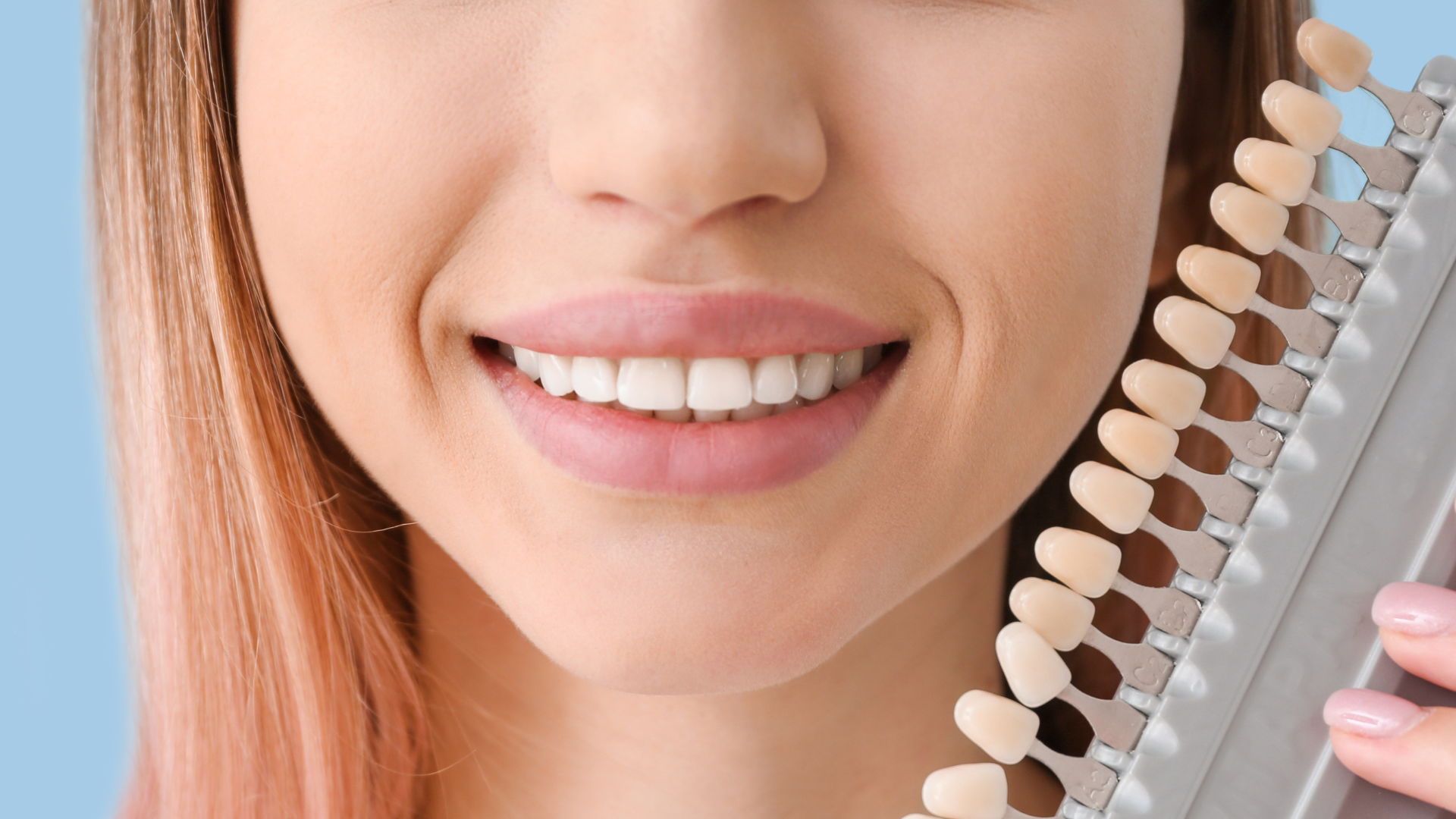
What to Expect at Your First Veneer Consultation If you have been thinking about veneers but have never had a cosmetic dental consultation before, you may be wondering what actually happens when you walk through the door. Will the dentist examine your teeth, take pictures, discuss colors, or immediately start preparing your teeth? The first veneer consultation is typically about understanding your goals, evaluating your oral health, discussing your options, and determining whether veneers are appropriate for your smile. At Gentle Dentistry, the consultation is an important opportunity to slow down, ask questions, and make sure you understand your choices before deciding whether to move forward. A veneer consultation is not simply about deciding whether you want whiter or straighter-looking teeth. Your dentist needs to look at your teeth, gums, bite, existing restorations, and overall oral health before recommending cosmetic treatment. Veneers are custom-made restorations that cover the front surfaces of teeth, so the planning process needs to account for both appearance and function. Cleveland Clinic notes that an initial veneer appointment includes an examination to determine whether a patient is a suitable candidate before the treatment process begins. Gentle Dentistry uses this type of personalized evaluation to help patients understand whether veneers fit their specific smile goals.
Can You Whiten Your Teeth While Using SureSmile® Clear Braces?
August 26, 2026
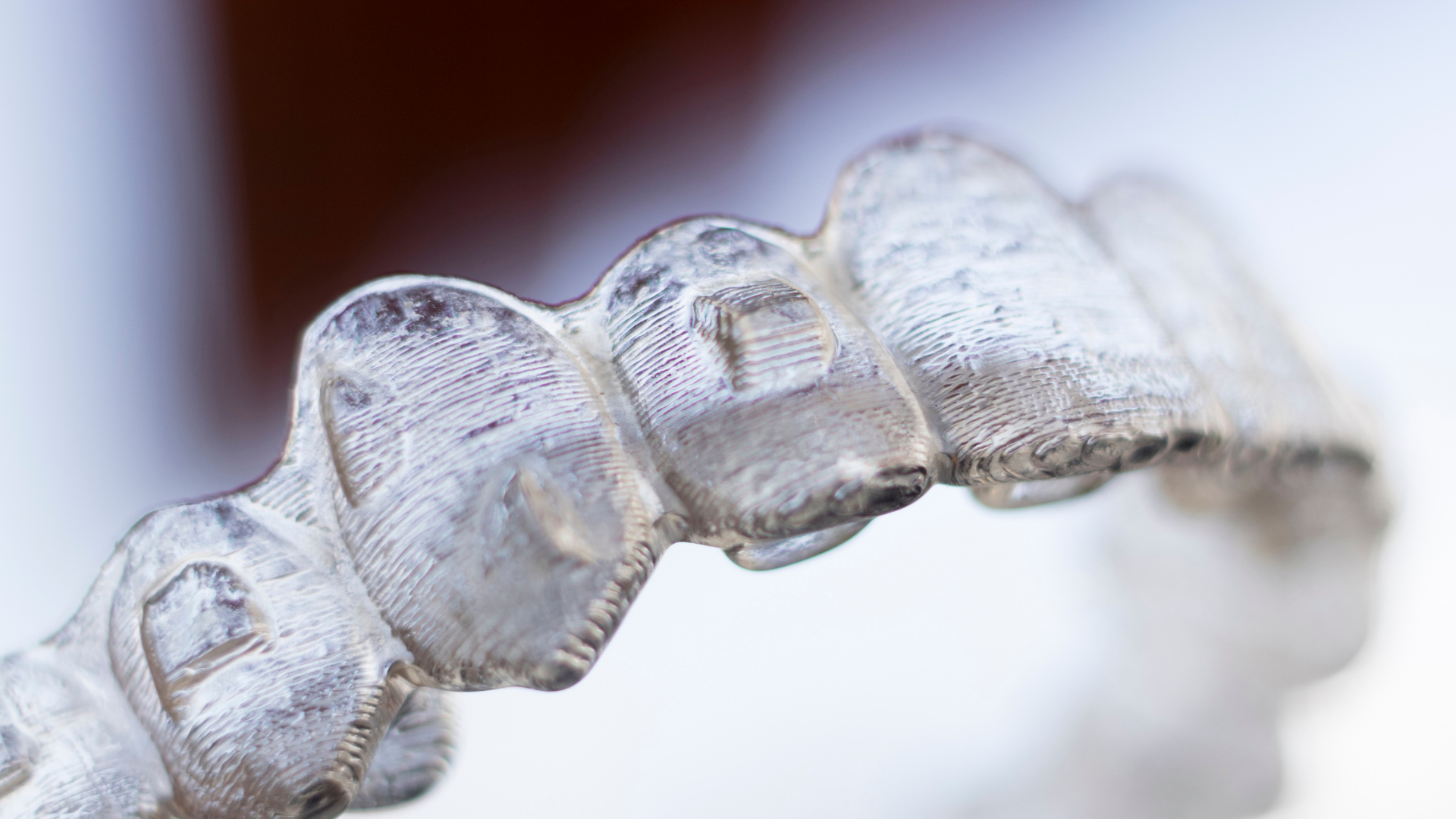
If you are straightening your teeth with SureSmile® Clear Braces, you may also be thinking about making your smile look brighter. After all, what could be better than finishing orthodontic treatment with teeth that are both straighter and whiter? The good news is that teeth whitening and clear aligner treatment can both be part of an overall smile plan, but the timing and method matter. Before adding whitening products to your routine, it is important to understand how whitening works, how your aligners fit into the process, and why talking with your dentist can help you get a more predictable result.

Show More