
How Often Do You Need Appointments During SureSmile® Treatment?

August 5, 2026

Understanding SureSmile® Clear Braces Checkups and Your Treatment Schedule

One of the questions patients often have before starting clear braces is surprisingly simple: how often will I actually need to see my dentist? If you're balancing work, school, family, travel, or a busy social calendar, knowing how frequently you need appointments can make orthodontic treatment feel much easier to plan. SureSmile® Clear Braces are designed to fit into everyday life, but regular check-ins remain an important part of making sure your treatment is progressing properly. At Gentle Dentistry, we help patients understand what to expect before they begin so there are fewer surprises along the way.


The exact appointment schedule is different for every patient because every smile moves differently. SureSmile® treatment involves a customized plan based on your teeth, bite, treatment goals, and the movements your dentist wants to achieve. SureSmile® itself describes treatment as doctor-directed, with patients checking in regularly as their treatment progresses. This means there isn't one universal schedule that applies to everyone, but there are some general patterns you can expect.

How Often Do You Need to See the Dentist With SureSmile®?

For most patients, SureSmile® appointments are periodic rather than weekly. Your dentist determines the timing of your visits based on your individual treatment plan, how your teeth are responding, and whether any adjustments or refinements are necessary. Some appointments may be focused primarily on checking progress, while others may involve receiving the next sets of aligners or making changes to your treatment plan. At Gentle Dentistry, your appointment schedule is designed around your specific orthodontic needs rather than a generic calendar.


Your appointments may involve:

  • Checking whether your teeth are tracking according to the treatment plan.
  • Reviewing how well you're wearing your aligners.
  • Providing additional or replacement aligners when needed.
  • Checking your bite and tooth movement.
  • Addressing discomfort or fit concerns.
  • Making treatment adjustments when necessary.
  • Answering questions about caring for your aligners.


The purpose of these appointments isn't simply to confirm that you're wearing your aligners. Your dentist is evaluating whether your teeth are moving as intended and whether your treatment remains on course.

Why Regular SureSmile® Checkups Matter

It can be tempting to think that clear aligners don't require much professional supervision because they are removable and relatively simple to use. However, orthodontic treatment involves controlled movement of your teeth, and that movement needs to be monitored. A tooth may occasionally move more slowly than expected, an aligner may stop fitting properly, or your bite may need additional attention. Regular appointments give your dentist an opportunity to identify these issues before they interfere with your overall treatment progress.


SureSmile®'s treatment process includes ongoing check-ins with your doctor specifically to make sure everything remains on track. At Gentle Dentistry, these visits also provide an opportunity to discuss anything you're experiencing, even if it seems minor. That might include an aligner that feels unusually tight, difficulty keeping up with wear time, or questions about when to move to the next aligner.

What Happens at a SureSmile® Progress Appointment?

A progress appointment is usually much simpler than the initial consultation. Your dentist may examine your teeth, evaluate how your current aligners fit, and compare your progress with the treatment plan. Depending on your case, digital scans, photographs, or other records may be used to assess changes. Your dentist can then determine whether you are ready to continue with the next stage of treatment.


At Gentle Dentistry, these visits are also a chance to make sure your overall oral health remains in good condition while your teeth are moving. Orthodontic treatment doesn't replace regular dental care, so keeping your teeth and gums healthy remains important throughout the process. If an issue such as decay, gum inflammation, or another dental concern develops, addressing it promptly can help keep your treatment experience on track.

Does Your Appointment Schedule Change During Treatment?

It can. Your first few appointments may focus heavily on planning and getting you comfortable with your aligners, while later visits may focus more on monitoring progress. If your teeth are tracking well, your appointments may remain straightforward. If your dentist notices that a particular tooth isn't responding as expected, your treatment plan may require additional attention.


This flexibility is one reason it's important not to compare your appointment schedule with someone else's. Two patients can both use SureSmile® Clear Braces while having completely different treatment plans and visit schedules. SureSmile® offers customized treatment planning based on each patient's individual needs, rather than treating every smile exactly the same way.

What If You Miss a SureSmile® Appointment?

Life happens. A work deadline, family obligation, illness, vacation, or unexpected event can make it difficult to attend an appointment on the originally scheduled date. Missing one appointment doesn't automatically mean your entire treatment will fail, but you should contact Gentle Dentistry rather than simply skipping the visit and continuing indefinitely without professional guidance. Your dentist can let you know whether you should continue with your current aligner or make another adjustment to your schedule.


Keeping appointments as consistently as possible is still important because your dentist needs accurate information about your progress. Delaying checkups can make it harder to identify problems early and may interfere with the planned sequence of your treatment. If you know you'll be unavailable, contacting the office in advance is usually the best approach.

How Your Daily Habits Can Affect Your Appointments

Your appointment schedule is only one part of staying on track with SureSmile® Clear Braces. What you do between appointments matters just as much. Because clear aligners depend on consistent wear, patients need to follow their dentist's instructions carefully and maintain good oral hygiene throughout treatment. Gentle Dentistry works with patients to make these habits realistic rather than overwhelming.


Between appointments, remember to:

  • Wear your aligners for the amount of time recommended by your dentist.
  • Remove them when eating unless your dentist gives you different instructions.
  • Clean your teeth before putting your aligners back in.
  • Keep your aligners clean and store them properly when they are removed.
  • Bring your current aligners to appointments when requested.
  • Contact the office if an aligner becomes damaged or no longer fits correctly.
  • Follow the prescribed schedule for changing aligners.


Consistent habits can help your treatment progress as planned. SureSmile® explains that ongoing doctor check-ins are intended to make sure treatment stays on track, but patients also have an important role in following their customized instructions.

What Can Cause More Frequent Appointments?

Not every patient needs the same amount of monitoring. Some people progress smoothly according to their original plan, while others may require additional visits because of the complexity of their tooth movements or an unexpected issue. A damaged aligner, poor fit, missed wear time, or concern about how a tooth is moving can all be reasons your dentist may want to see you sooner.


This doesn't necessarily mean something is wrong. Sometimes an additional appointment is simply the easiest way to confirm that everything is progressing safely. At Gentle Dentistry, the goal of monitoring is to keep treatment predictable and address concerns while they are still manageable.

Can You Get SureSmile® Aligners Without Frequent Office Visits?

SureSmile® is designed as a doctor-directed treatment, meaning professional involvement remains part of the process. SureSmile's official treatment process includes an initial consultation, digital scanning, a customized treatment plan, starting treatment with your prescribed appliances, and ongoing check-ins with your doctor. The convenience comes from the fact that these appointments can be periodic, not from eliminating professional supervision altogether.


This distinction matters when comparing different approaches to clear aligner treatment. Your teeth aren't simply being given a series of plastic trays and left to move on their own. Your dentist is responsible for evaluating your oral health, planning the treatment, and monitoring your progress. Gentle Dentistry takes that responsibility seriously because the objective isn't just to make your teeth appear straighter, but to support a healthy and functional smile.

Making SureSmile® Appointments Fit Your Schedule

If you're concerned that orthodontic appointments will take over your calendar, talk about your schedule during your consultation. Let your dentist know if you travel frequently, work unusual hours, attend school, or have other commitments that could affect appointment availability. Understanding your lifestyle can help the practice plan your treatment experience more realistically.


It can also help to schedule future appointments before leaving the office. Adding them to your calendar immediately reduces the chance of forgetting them later. For busy adults especially, having a clear appointment schedule can make orthodontic treatment feel much more manageable.

What Happens When Treatment Is Nearly Finished?

As you approach the end of your SureSmile® treatment, appointments may focus on evaluating whether your teeth have reached their planned positions. Your dentist will assess your smile and bite and determine whether additional refinement is necessary. Some patients may need additional aligners before treatment is considered complete, while others may be ready to move into the retention phase.


Retention is an important part of protecting your results. SureSmile® offers retainers designed to help maintain newly aligned teeth after treatment. At Gentle Dentistry, we discuss the next steps with you so you understand how to maintain your new smile rather than thinking of the final aligner as the end of the entire process.

A Busy Patient's SureSmile® Routine

Consider a professional who wants to straighten their teeth but travels several times a month for work. At first, they worry that orthodontic appointments will be difficult to manage alongside meetings and flights. During their consultation at Gentle Dentistry, they discuss their schedule and learn that their SureSmile® treatment will involve periodic check-ins rather than constant office visits.


The patient adds each appointment to their work calendar and follows their aligner instructions consistently between visits. When a business trip creates a scheduling conflict, they contact Gentle Dentistry ahead of time instead of simply missing the appointment. Because their progress is monitored and concerns are addressed promptly, orthodontic treatment becomes something they can incorporate into their routine rather than something that disrupts it.

Additional Information

If you're considering SureSmile® Clear Braces or are already preparing for treatment, these existing Gentle Dentistry resources can help you learn more about the process:


These resources can help you understand what to expect before, during, and after your SureSmile® treatment.

Your Appointment Schedule Is Part of Your Treatment Plan

So, how often do you need appointments during SureSmile® treatment? There isn't one fixed answer because your schedule should be based on your individual treatment plan, how your teeth respond, and what your dentist observes during progress checks. The important thing is that appointments are regular enough for your dentist to monitor your tooth movement and make adjustments when necessary. SureSmile® specifically describes ongoing doctor check-ins as part of its treatment process.


At Gentle Dentistry, we want your clear braces experience to feel organized, comfortable, and manageable from your first consultation through your final retainer. We'll explain your expected appointment schedule, monitor your progress, and help you understand what you should be doing between visits. Gentle Dentistry also provides personalized care so that questions or concerns can be addressed before they interfere with your treatment.


If you're considering SureSmile® Clear Braces and want to know what your personalized appointment schedule could look like, reach out to Gentle Dentistry with your questions or to get started.

Feel free to share this blog with someone who might enjoy it!

Can You Get Veneers on Crooked Teeth Without Orthodontics?
September 23, 2026
If you have crooked teeth, you may assume that braces or clear aligners are the only way to improve your smile. But what if your teeth are only slightly crooked and your main goal is to change how they look? In some cases, veneers can create the appearance of a straighter, more even smile without orthodontic treatment. The important distinction is that veneers change the visible shape of your teeth, while orthodontics physically moves teeth into different positions.
What Happens If You Don’t Wear SureSmile® Aligners Enough Hours?
September 16, 2026
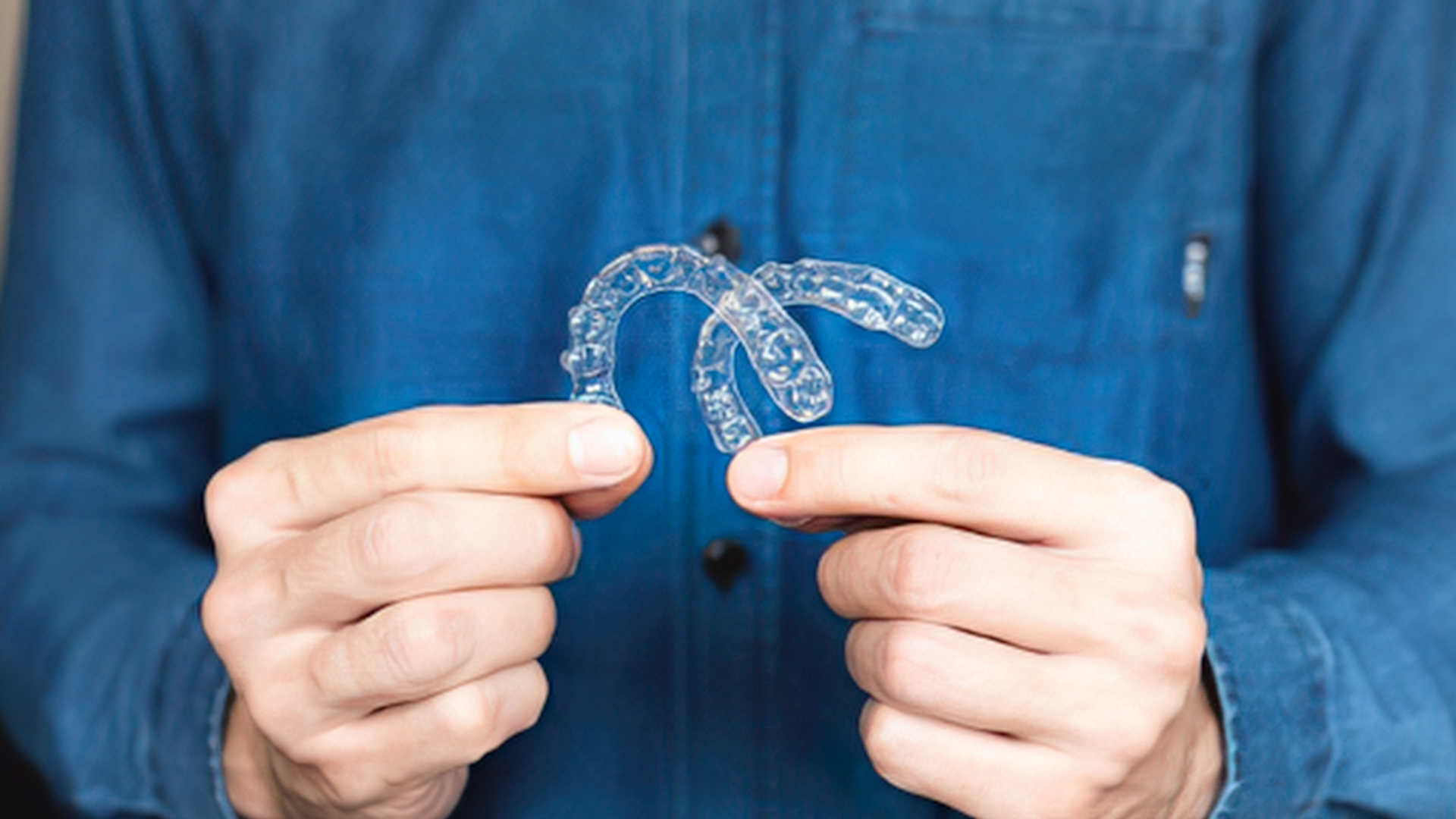
How Many Hours a Day Should You Wear SureSmile® Aligners? One of the biggest advantages of SureSmile® Clear Braces is that the aligners are removable, making it easier to eat, brush, floss, and go about your day without traditional brackets and wires. But that convenience also means you have an important role in your treatment progress because the aligners only work while you are wearing them. SureSmile® recommends wearing its aligners according to your doctor's instructions, typically about 20 to 22 hours each day, including while sleeping. At Gentle Dentistry, we want patients to understand that consistent wear is not simply a suggestion, but an important part of getting the results outlined in their personalized treatment plan. If you occasionally leave your aligners out a little longer than planned, there is no reason to panic. Life happens, and a forgotten aligner after lunch or an unexpectedly long dinner does not automatically ruin your treatment. The concern is when those missed hours become a regular pattern, because your teeth may not move according to the schedule your dentist planned. SureSmile® treatment is doctor-directed and includes regular check-ins specifically so your dentist can monitor whether your treatment is staying on track. Understanding what can happen when wear time consistently falls short can help you recognize when it is time to adjust your routine or contact Gentle Dentistry for guidance.
What Happens During an Emergency Dental Appointment? Step-by-Step Guide
September 9, 2026
What to Expect During an Emergency Dental Appointment When a dental emergency happens, the pain or sudden damage can be stressful enough without wondering what will happen once you reach the dentist. You may be worried about whether you will need an extraction, a root canal, stitches, or some other major procedure. The good news is that an emergency dental appointment is usually focused first on understanding what happened, controlling pain, identifying the problem, and determining the safest next step. At Gentle Dentistry, we understand that patients often arrive feeling anxious, so our goal is to provide prompt, compassionate care while explaining what is happening along the way.  An emergency dental appointment is different from a routine cleaning or checkup because the immediate problem takes priority. Severe tooth pain, a broken or knocked-out tooth, significant swelling, a lost filling or crown, or certain types of oral injuries may require urgent attention. The American Dental Association identifies conditions such as severe dental pain, localized infection or swelling, painful tooth fractures, dental trauma, and uncontrolled bleeding among situations that may require urgent or emergency dental care. Knowing what to expect can make it easier to seek care instead of delaying because you are unsure what the appointment will involve.

Show More