Is Bleeding After a Dental Injury Normal or a Sign of Emergency Care Needed?
Understanding When Bleeding Means You Should See an Emergency Dentist
A dental injury can happen when you least expect it. Whether you bite down on something hard, fall while playing sports, or experience an accident, seeing blood in your mouth can be frightening. One of the first questions many people ask is, "Is this normal, or do I need emergency dental care?" The answer depends on how much you're bleeding, where the bleeding is coming from, and whether it's accompanied by other symptoms.
The good news is that not every dental injury is a life-threatening emergency. Minor cuts to the lips or gums may bleed for a short time before stopping on their own. However, heavy or persistent bleeding should never be ignored because it may indicate a more serious injury involving your teeth, gums, jaw, or surrounding tissues. At Gentle Dentistry, we encourage patients to seek professional guidance anytime they experience significant bleeding after a dental injury. Quick action can often prevent complications and improve the chances of saving damaged teeth.
Is Bleeding After a Dental Injury Normal?
A small amount of bleeding immediately after an injury is common. The mouth contains many tiny blood vessels, which means even a minor cut can produce more blood than you might expect. While this can look alarming, it does not always mean the injury is severe.
Minor bleeding may occur after:
- Accidentally biting your lip or cheek.
- A small cut on the gums.
- A minor chipped tooth with irritated soft tissue.
- Brushing against an injured area.
- Mild trauma during sports or recreational activities.
Even if the bleeding stops quickly, it's still a good idea to have your injury evaluated by Gentle Dentistry. Small injuries sometimes hide damage that isn't immediately visible.
Warning Signs That Require Emergency Dental Care
Although minor bleeding can be normal, some symptoms indicate that you should contact an emergency dentist as soon as possible. Persistent bleeding may be a sign of deeper tissue damage, tooth fractures, or injuries affecting the jaw.
Seek immediate dental care if you experience:
- Bleeding that continues for more than 10 to 15 minutes despite applying pressure.
- A knocked-out or loose permanent tooth.
- A broken tooth with heavy bleeding.
- Significant swelling of the face or gums.
- Severe pain that continues to worsen.
- Difficulty opening or closing your mouth.
- Bleeding combined with signs of a jaw injury.
At Gentle Dentistry, we prioritize emergency dental situations because early treatment often improves both comfort and long-term outcomes.
Where Is the Bleeding Coming From?
Identifying the source of the bleeding helps determine how serious the injury may be. Blood can come from the gums, lips, cheeks, tongue, or the tooth itself if surrounding tissues have been damaged. Sometimes the injury affects multiple areas at once.
A chipped tooth may not bleed unless nearby gum tissue has also been injured. On the other hand, a tooth that has been knocked loose or partially displaced may bleed around the gumline because the supporting tissues have been damaged. Gentle Dentistry performs a thorough examination to identify the true source of the bleeding and recommend the appropriate treatment.
What Should You Do Immediately After the Injury?
The first few minutes after a dental injury are often the most important. Staying calm and taking the proper steps can help reduce bleeding while protecting your teeth and surrounding tissues.
If you're bleeding after a dental injury:
- Rinse gently with clean water to remove debris.
- Apply clean gauze or a soft cloth with gentle pressure.
- Use a cold compress on the outside of your face to reduce swelling.
- Avoid vigorous rinsing or spitting.
- Do not chew on the injured side.
- Save any broken tooth fragments if possible.
- Contact Gentle Dentistry for instructions and an appointment.
These simple first-aid measures can make a significant difference while you're waiting to be seen.
Why You Should Never Ignore Persistent Bleeding
Many people assume that if the pain is manageable, they can simply wait and see what happens. Unfortunately, ongoing bleeding can indicate injuries that continue to worsen beneath the surface. Damaged blood vessels, torn gum tissue, fractured teeth, or hidden bone injuries all require professional evaluation.
Bleeding also increases the risk of infection if bacteria enter damaged tissues. At Gentle Dentistry, we often remind patients that the earlier an injury is treated, the more treatment options may be available. Prompt care may even help preserve a tooth that would otherwise be lost.
Common Dental Injuries That May Cause Bleeding
Dental injuries vary greatly in severity. Some involve only the soft tissues, while others affect the teeth and supporting bone. Understanding the most common causes helps patients know when professional care is necessary.
Bleeding may occur with:
- Knocked-out teeth.
- Loose or displaced teeth.
- Cracked or fractured teeth.
- Gum lacerations.
- Lip or tongue injuries.
- Broken dental restorations.
- Facial trauma involving the mouth.
At Gentle Dentistry, we evaluate every injury individually because even similar accidents can produce very different types of damage.
A Quick Response Made the Difference
Imagine someone slipping on wet pavement and striking their mouth during the fall. Their gums begin bleeding immediately, but the discomfort is surprisingly mild. They consider waiting until the next day because the bleeding slows after several minutes. Instead, they contact Gentle Dentistry for advice and schedule an emergency evaluation that same afternoon.
During the examination, the dentist discovers that one front tooth has been partially loosened even though it isn't painful yet. Because treatment begins quickly, the tooth is stabilized before additional damage occurs. What initially appeared to be a minor injury ends with a successful recovery because the patient chose not to ignore the warning signs.
What Happens During an Emergency Dental Examination?
Many patients feel anxious after a dental injury because they are unsure what to expect during their appointment. Fortunately, an emergency evaluation is focused on identifying the cause of the bleeding, relieving discomfort, and protecting your long-term oral health. The sooner the injury is assessed, the greater the chance of preserving your natural teeth and preventing complications.
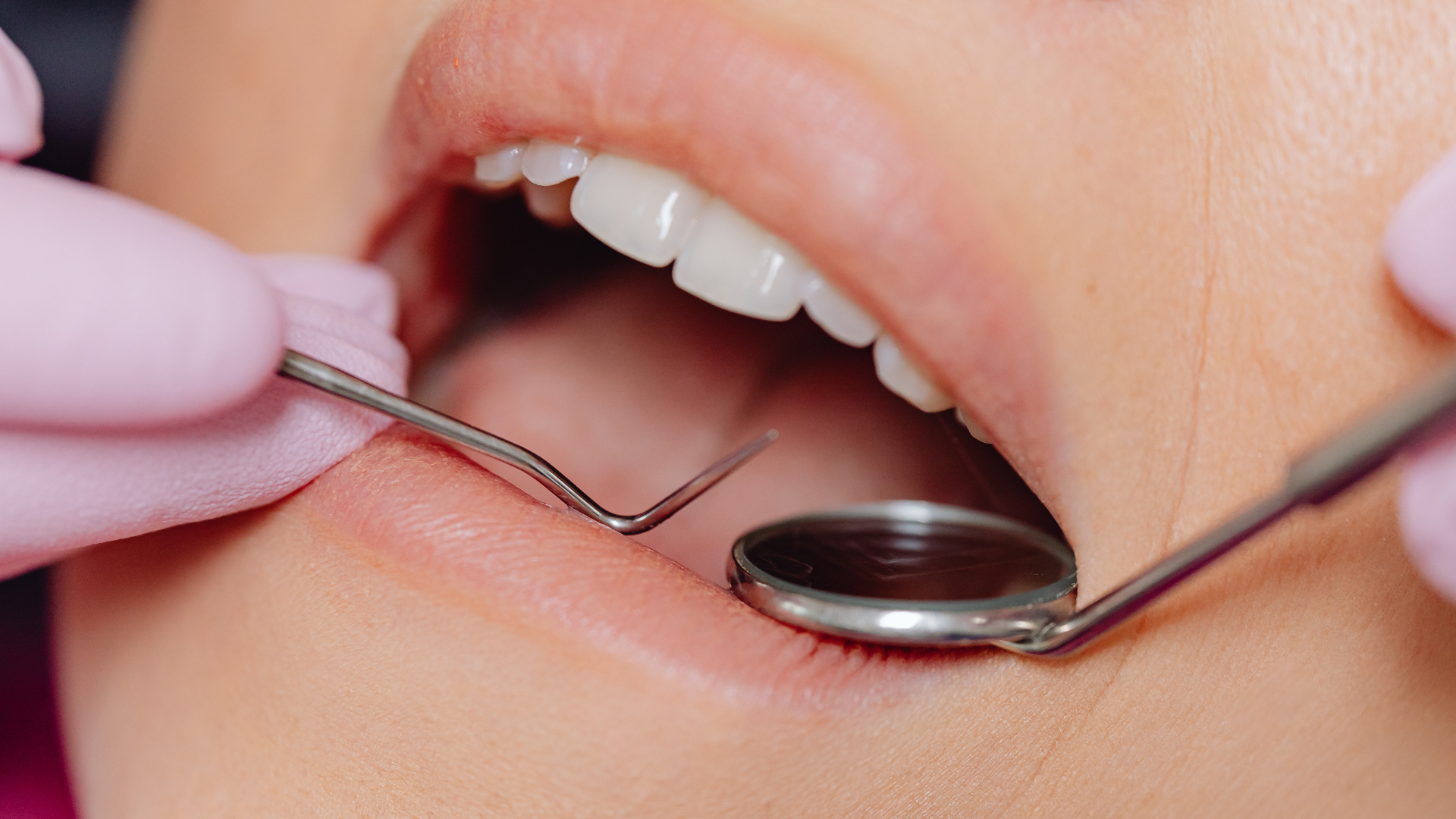
At Gentle Dentistry, your visit begins with a careful examination of the injured area. Digital X-rays may be taken to look for hidden fractures, root damage, or injuries to the surrounding bone. We also evaluate the stability of the affected teeth, check your bite, and examine the gums and soft tissues. Once we understand the full extent of the injury, we explain your treatment options and answer any questions you may have before moving forward.
Preventing Dental Injuries That Cause Bleeding
Although accidents cannot always be avoided, many dental injuries are preventable. Taking a few proactive steps can reduce your risk of chipped teeth, knocked-out teeth, and traumatic injuries that require emergency dental care.
Here are several ways to protect your smile:
- Wear a properly fitted mouthguard during contact sports.
- Never use your teeth to open bottles or tear packaging.
- Avoid chewing ice, popcorn kernels, or other hard objects.
- Wear a night guard if you grind or clench your teeth.
- Keep up with regular dental checkups at Gentle Dentistry.
- Repair weakened fillings or damaged restorations before they fail.
- Use seat belts and appropriate safety equipment during physical activities.
Protecting your teeth today can help you avoid painful emergencies and costly restorative treatment in the future.
Why Acting Quickly Can Save Your Smile
When a dental injury occurs, time often plays a critical role in the outcome. A tooth that is loose today may become more unstable tomorrow. A small tear in the gums can become infected if bacteria enter the wound. Even a minor fracture can spread deeper into the tooth with everyday chewing.
At Gentle Dentistry, we encourage patients not to wait for pain before seeking care. Many serious dental injuries cause surprisingly little discomfort during the first several hours. Early diagnosis allows us to recommend conservative treatment whenever possible, helping preserve your natural teeth while reducing the likelihood of more extensive procedures later.
Additional Information
If you'd like to learn more about dental emergencies and how to respond quickly, these additional resources from Gentle Dentistry can help:
- What to Do If You Chip a Tooth but It Doesn't Hurt explains why painless dental injuries still deserve prompt attention.
- How Fast Should You Respond to a Knocked-Out Tooth? discusses why immediate action can greatly improve the chances of saving a permanent tooth.
- The Do's and Don'ts After a Dental Injury provides practical first-aid tips for protecting your teeth before you reach the dentist.
- Can Swollen Gums Be an Emergency? When to Seek Immediate Care explains when gum swelling may indicate a serious infection that requires urgent treatment.
- How Do You Know If a Dental Abscess Is Dangerous? Warning Signs Explained covers symptoms that should never be ignored because they may signal a spreading infection.
- Weekend or Holiday Dental Emergencies: Who to Call and What to Do offers guidance for handling unexpected dental problems outside normal office hours.
- Emergency Dentist vs. General Dentist: What's the Difference? explains when emergency dental care is appropriate and what types of injuries require immediate attention.
These articles provide additional information that can help you recognize dental emergencies early and make informed decisions when unexpected injuries occur.
Don't Ignore Bleeding After a Dental Injury
Some bleeding after a dental injury may be completely normal, but persistent or heavy bleeding should never be dismissed. Even when discomfort is minimal, injuries to your teeth, gums, or supporting structures can worsen if left untreated. The sooner the problem is evaluated, the better your chances of preserving your natural teeth and avoiding more extensive treatment.
At Gentle Dentistry, we're committed to providing prompt, compassionate emergency dental care when you need it most. Our experienced team carefully evaluates every injury, explains your treatment options, and works to restore your oral health as comfortably as possible. Whether you've experienced a chipped tooth, a knocked-out tooth, or unexplained bleeding after an accident, Gentle Dentistry is here to help you protect your smile.
If you're experiencing bleeding after a dental injury or you're unsure whether your situation requires emergency care, contact Gentle Dentistry today. We'll answer your questions, evaluate your symptoms, and help you get the care you need to protect your smile and your long-term oral health.