Invisalign vs. Traditional Braces: Which Is Right for You?

February 26, 2025

Which Is Right for You?

Invisalign vs. Traditional Braces

Choosing the right orthodontic treatment can be a daunting task, especially when faced with the decision between Invisalign and traditional braces. In this comprehensive guide, we explore the key differences, benefits, and potential drawbacks of each option to help you make an informed decision about which treatment is best suited to your needs. Whether you're an adult seeking a discreet solution or a teen looking for effective alignment, understanding these options is crucial for achieving a healthy, confident smile. We’ll cover everything from aesthetics and comfort to treatment duration, maintenance, cost, and candidacy. For further reading on Invisalign, visit the American Association of Orthodontists’ Invisalign Overview and for details on braces, check out Colgate’s Braces Information.

Understanding Invisalign

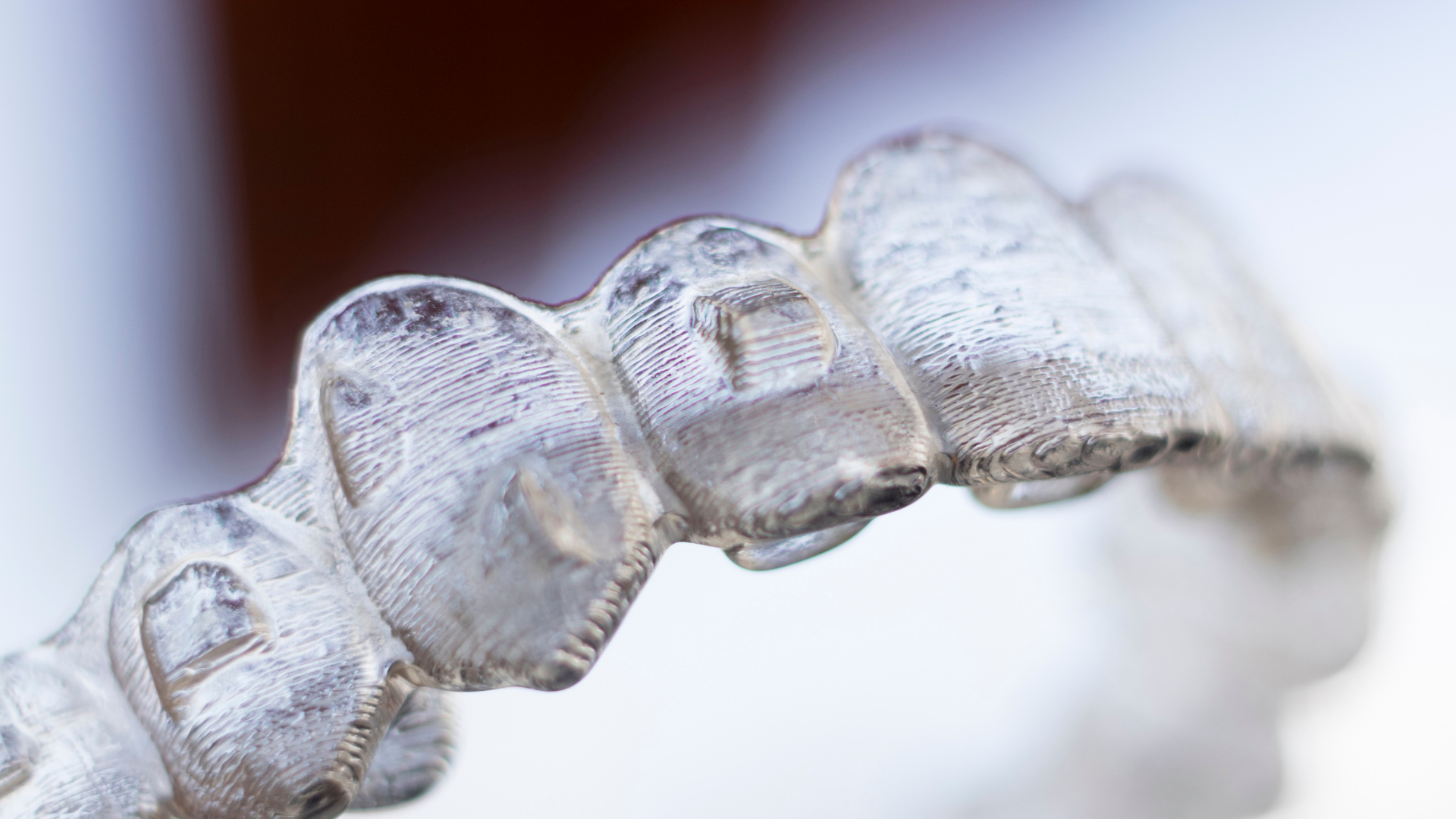
Invisalign is a modern orthodontic treatment that uses a series of clear, custom-made aligners to gradually shift your teeth into place. These aligners are virtually invisible, making them a popular choice among those who want to straighten their teeth without the noticeable appearance of metal brackets. Each aligner is designed using advanced 3D imaging technology, ensuring a precise fit and predictable tooth movement throughout your treatment. One of the greatest advantages of Invisalign is its removability, which allows you to take the aligners out for meals, special occasions, or while maintaining oral hygiene. For an in-depth look at how Invisalign works, visit WebMD’s Invisalign Guide.

Understanding Traditional Braces

Traditional braces have been the cornerstone of orthodontic treatment for decades and remain highly effective in correcting a wide range of dental issues. Comprising metal brackets bonded to the teeth and connected by wires, braces work by applying continuous pressure to gradually move the teeth into proper alignment. Although highly effective—especially for severe misalignments and complex bite issues—the visible nature of metal braces can be a drawback for many patients. Traditional braces also require regular adjustments and may come with dietary restrictions to prevent damage to the hardware. To learn more about traditional braces and how they work, check out Colgate’s Braces Information.

Aesthetic Considerations

Appearance is often a deciding factor when choosing between Invisalign and traditional braces. Invisalign’s clear aligners provide a nearly invisible treatment option, allowing you to maintain a natural look throughout the process. This discreet approach is especially appealing for adults and professionals who prefer not to have visible metal braces. Traditional braces, while effective, are more conspicuous and may impact your self-confidence during treatment. Ultimately, if maintaining a subtle appearance is important to you, Invisalign may be the better option.

Comfort and Convenience

Comfort is another key factor in the orthodontic journey. Invisalign aligners are made from smooth, BPA-free plastic that fits snugly over your teeth, reducing the risk of irritation to your gums and cheeks—a common complaint with traditional braces. The ability to remove Invisalign aligners also means you can eat your favorite foods without restrictions and maintain a consistent oral hygiene routine. Traditional braces, by contrast, can sometimes cause discomfort due to the presence of wires and brackets, particularly after adjustments. Many patients report that the enhanced comfort and ease of use associated with Invisalign significantly improve their overall treatment experience.

Treatment Duration and Flexibility

The length of treatment is an important consideration for anyone undergoing orthodontic care. Invisalign treatments often offer a shorter treatment duration for mild to moderate dental corrections, with many patients achieving the desired results within 12 to 18 months. However, the overall duration can vary depending on the complexity of the case and patient compliance with wearing the aligners for the prescribed 20-22 hours per day. Traditional braces may be required for more complex orthodontic issues, potentially extending the treatment time but offering robust control over tooth movement. The flexibility of Invisalign—being removable and less disruptive to daily life—can be a major advantage for those with busy lifestyles.

Maintenance and Oral Hygiene

Maintaining proper oral hygiene during orthodontic treatment is crucial, and this is where Invisalign shines. Because the aligners are removable, you can easily brush and floss your teeth without having to work around metal brackets and wires. This ease of cleaning reduces the risk of plaque buildup, cavities, and gum disease during treatment. In contrast, traditional braces require special care and often demand additional time and effort to clean effectively. For more tips on maintaining excellent oral hygiene during orthodontic treatment, visit the American Dental Association’s Oral Health Topics on Invisalign.

Cost Considerations and Financial Factors

Cost is a significant factor in deciding between Invisalign and traditional braces. Generally, the pricing for both treatments is comparable, although the exact cost will depend on the severity of the dental issues and the duration of treatment. Many dental practices offer financing options or payment plans to help manage the expense, making these treatments more accessible. While Invisalign might be slightly more expensive for some cases due to the advanced technology involved, its benefits in aesthetics and convenience can provide long-term value. Discussing costs and financing options with your dental provider will help you make an informed financial decision.

Candidacy

Who is the Best Fit?

Not every patient is an ideal candidate for both Invisalign and traditional braces. Invisalign is typically recommended for those with mild to moderate orthodontic issues who can commit to wearing the aligners for the required number of hours each day. In contrast, traditional braces are often the preferred option for patients with severe misalignments or complex bite problems that require more comprehensive correction. Your orthodontist will assess your dental health, alignment issues, and treatment goals to determine the best option for you. A thorough consultation is the first step in deciding which treatment is right for your specific needs.

Impact on Daily Life and Lifestyle Considerations

The impact of orthodontic treatment on your daily life is an essential factor to consider. Invisalign's removable nature means that it can be easily integrated into your everyday routine, without causing significant disruptions. This flexibility allows you to maintain your regular diet and oral hygiene habits, making it particularly appealing for individuals with active lifestyles or demanding schedules. Traditional braces, while effective, may require adjustments in your eating habits and more diligent oral care routines. Balancing the treatment’s impact on your lifestyle with your orthodontic goals is key to a satisfying treatment experience.

Expert Opinions and Research Insights

Expert opinions and scientific research play a vital role in understanding the benefits and limitations of both Invisalign and traditional braces. Numerous studies have demonstrated that when used appropriately, both treatments can achieve excellent results. Organizations like the American Association of Orthodontists provide valuable research and guidelines that help patients make informed decisions about their orthodontic care. Additionally, many orthodontists publish comparative studies that highlight the advantages of Invisalign in terms of aesthetics and comfort, as well as the proven efficacy of traditional braces in more complex cases. These expert insights are essential for setting realistic expectations and guiding your treatment decision.

Making the Decision

Invisalign or Traditional Braces?

Deciding between Invisalign and traditional braces ultimately comes down to your individual needs, lifestyle, and personal preferences. Consider factors such as aesthetics, comfort, treatment duration, maintenance, and cost when evaluating your options. A detailed consultation with your orthodontist can help you understand the specific benefits and limitations of each method based on your dental condition. Your choice should align with your goals for both functionality and appearance, ensuring that you are comfortable with the treatment process. By weighing all these factors, you can confidently decide which orthodontic solution is right for you.

Your Journey to a Beautiful Smile

In conclusion, both Invisalign and traditional braces offer effective paths to achieving a healthy, beautiful smile. Invisalign provides a discreet, comfortable, and flexible solution ideal for mild to moderate orthodontic issues, while traditional braces remain a reliable choice for more complex cases. Your decision should be based on a careful consideration of your personal needs, lifestyle, and the professional advice provided by your orthodontist. We hope this guide has given you valuable insights to make an informed choice. If you’re ready to begin your orthodontic journey, contact us at Gentle Dentistry to schedule a consultation and take the first step toward your dream smile.

Feel free to share this blog with someone who might enjoy it!

Is Bleeding After a Dental Injury Normal or a Sign of Emergency Care Needed?
July 29, 2026
Understanding When Bleeding Means You Should See an Emergency Dentist A dental injury can happen when you least expect it. Whether you bite down on something hard, fall while playing sports, or experience an accident, seeing blood in your mouth can be frightening. One of the first questions many people ask is, "Is this normal, or do I need emergency dental care?" The answer depends on how much you're bleeding, where the bleeding is coming from, and whether it's accompanied by other symptoms.  The good news is that not every dental injury is a life-threatening emergency. Minor cuts to the lips or gums may bleed for a short time before stopping on their own. However, heavy or persistent bleeding should never be ignored because it may indicate a more serious injury involving your teeth, gums, jaw, or surrounding tissues. At Gentle Dentistry, we encourage patients to seek professional guidance anytime they experience significant bleeding after a dental injury. Quick action can often prevent complications and improve the chances of saving damaged teeth.
How Natural Do Veneers Actually Look in Real Life?
By Elijah J July 22, 2026
The Truth About Modern Veneers and Creating a Smile That Looks Like You One of the biggest concerns people have before getting veneers is whether everyone will immediately notice them. Many patients worry they'll end up with teeth that look unnaturally bright, perfectly identical, or obviously "fake." The good news is that modern porcelain veneers have come a long way, and when they're designed correctly, they can look remarkably natural. In fact, the best veneers often go unnoticed because they simply look like healthy, beautiful teeth. Natural-looking veneers are not created by chance. They require careful planning, high-quality materials, and a personalized approach that considers your facial features, smile, and personality. At Gentle Dentistry, every veneer treatment is customized to complement the individual rather than creating the same smile for every patient. The goal is to enhance your natural appearance, not completely change who you are.
What Is the Difference Between SureSmile® and Other Clear Aligners?
July 15, 2026
Understanding What Sets SureSmile® Clear Braces Apart If you're considering clear aligners to straighten your teeth, you've probably noticed that there are several options available. While many aligner systems appear similar at first glance, they are not all designed the same way. Differences in technology, treatment planning, materials, and professional oversight can significantly impact your overall experience and results. Understanding these differences is one of the best ways to choose a treatment that fits your smile goals.  SureSmile® Clear Braces have become an increasingly popular option for patients seeking a discreet way to improve their smiles. Rather than focusing only on cosmetic improvements, SureSmile® combines advanced digital planning with personalized care from a dental professional. At Gentle Dentistry, we take the time to explain how SureSmile® works so patients can feel confident about their treatment decisions. Knowing what makes SureSmile® unique helps you understand why it may be the right choice for your smile.
Show More