Veneers vs. Crowns: Which Option Is Best for You?

March 5, 2025

Weighing Your Cosmetic and Restorative Options

When it comes to enhancing your smile, veneers and crowns are two of the most popular dental treatments available. Each option offers unique benefits, addressing both cosmetic and structural dental issues. In this comprehensive guide, we’ll dive into what veneers and crowns are, how they differ, and which treatment might be best suited for your needs. Whether you’re aiming for a subtle aesthetic boost or require significant restorative work, understanding these options is crucial for making an informed decision. For more on veneers, visit the American Dental Association’s Veneers Resource, and for crowns, see Colgate’s Dental Crowns Overview.

What Are Veneers?

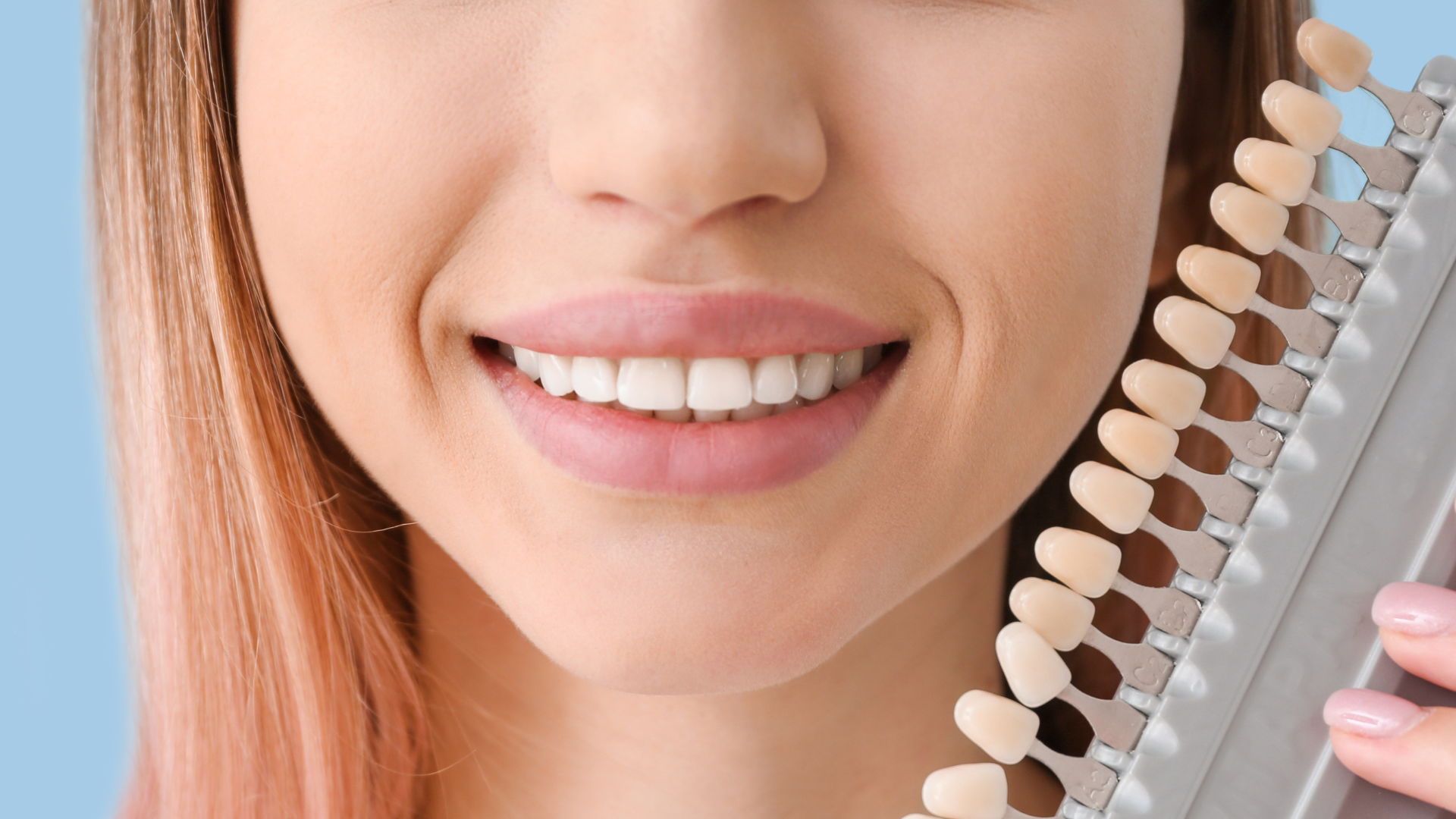
Veneers are ultra-thin, custom-made shells usually crafted from porcelain or composite resin that cover the front surface of your teeth. They are designed to improve the appearance of your smile by masking imperfections such as stains, chips, or minor misalignments. Because only a minimal amount of tooth enamel is removed during the procedure, veneers preserve most of your natural tooth structure. They offer a highly aesthetic solution for patients seeking a less invasive way to enhance their smile.

What Are Crowns?

Crowns, also known as dental caps, are restorations that completely encase a tooth to restore its shape, strength, and function. They are typically used when a tooth is significantly damaged by decay, fracture, or after a root canal treatment. Unlike veneers, crowns require more extensive tooth preparation since they cover the entire visible portion of the tooth. Crowns not only improve the cosmetic appearance of a tooth but also provide essential structural support.

Key Differences in Application and Purpose

The primary distinction between veneers and crowns lies in their intended purposes. Veneers are mostly used for cosmetic improvements on healthy teeth that have minor imperfections. In contrast, crowns serve a restorative function, protecting and strengthening teeth that are weakened or extensively damaged. The preparation process differs as well: veneers require minimal enamel removal, while crowns often involve reshaping a larger portion of the tooth to ensure a secure fit. Understanding these differences helps you and your dentist determine the most appropriate treatment for your dental condition.

Sample Scenario:

Sarah and Mark’s Dental Journeys

Consider the example of Sarah and Mark. Sarah, a 30-year-old professional, is unhappy with the appearance of her slightly discolored, chipped front teeth. Her dentist recommends veneers to enhance her smile without compromising her natural tooth structure. Mark, on the other hand, has suffered severe decay in a molar that has weakened its structure. In Mark’s case, a crown is advised to restore both the appearance and functionality of his damaged tooth. Their experiences illustrate how the condition of the underlying tooth drives the choice between veneers and crowns.

Advantages of Veneers

Veneers offer several advantages, particularly for those seeking a cosmetic enhancement. They provide a natural, aesthetically pleasing appearance and can dramatically improve the look of your smile with minimal invasiveness. The procedure is typically quick and requires only a few dental visits, with immediate visible results. Additionally, veneers are stain-resistant, which helps maintain a bright, white smile over time. For more success stories and technical details, the American Dental Association’s Veneers Resource is a great reference.

Advantages of Crowns

Crowns are an excellent solution for restoring the structure and function of a severely damaged tooth. They offer full coverage, protecting the tooth from further damage and restoring its ability to chew effectively. Crowns are highly durable and can last many years with proper care, making them a sound long-term investment. They also blend naturally with your existing teeth, ensuring both functional and aesthetic restoration. To explore more about how crowns can save damaged teeth, visit Colgate’s Dental Crowns Overview.

Considerations for Choosing the Right Option

Deciding between veneers and crowns involves evaluating several key factors. Consider the overall health of the affected tooth—veneers are best for minor cosmetic issues on healthy teeth, while crowns are ideal for teeth that have suffered significant damage. Your aesthetic goals, budget, and lifestyle also play crucial roles in the decision. A detailed consultation with your dentist will help determine which treatment aligns best with your needs. Making the right choice now can lead to better long-term oral health and satisfaction with your smile.

Cost and Financial Factors

Cost is often a significant consideration when choosing between veneers and crowns. Veneers tend to be less expensive per tooth if your concerns are purely cosmetic, whereas crowns can be more costly due to the extensive work required to restore a damaged tooth. Insurance may cover crowns when they are deemed medically necessary, but veneers are usually considered elective cosmetic procedures. Many dental offices offer flexible financing options to help manage the expense of either treatment. Discussing these financial factors with your provider will ensure that you choose a treatment plan that fits both your dental needs and your budget.

Aftercare and Longevity

Both veneers and crowns require proper care to ensure their longevity and effectiveness. Veneers typically last between 10 and 15 years, while crowns can last 15 to 20 years or more with proper maintenance. Regular dental check-ups, good oral hygiene, and avoiding habits that can damage the restorations are crucial for both treatments. Following your dentist’s aftercare instructions will help extend the life of your veneers or crowns and maintain your overall oral health. For more tips on maintaining dental restorations, refer to the American Dental Association’s Oral Health Guidelines.

Expert Opinions and Research Insights

Dental professionals agree that both veneers and crowns have their unique advantages when used appropriately. Research published by the American Dental Association supports the effectiveness of veneers for cosmetic improvements, while numerous studies highlight the durability and restorative capabilities of crowns. Expert opinions stress that the best option depends on the individual’s dental condition and long-term treatment goals. These insights can help set realistic expectations and guide your decision-making process. A thorough evaluation by your dentist, supported by reputable resources, will ensure you choose the treatment that best suits your needs.

Lifestyle Impact and Patient Satisfaction

The impact of your dental restoration on your daily life is an important factor to consider. Veneers, due to their minimally invasive nature, can enhance your smile without interfering with your normal activities. Crowns, while more restorative in nature, provide the strength and durability needed for proper chewing and long-term function. Both treatments can significantly boost self-confidence and overall satisfaction with your smile, leading to improved quality of life. Listening to patient experiences and consulting with your dentist can provide additional clarity on how each option might work for you.

Your Path to a Radiant Smile

In conclusion, both veneers and crowns offer transformative benefits, but they serve different purposes. Veneers are ideal for those seeking a cosmetic improvement on relatively healthy teeth, while crowns are better suited for restoring the structure and function of severely damaged teeth. Your choice should be guided by your specific dental condition, aesthetic goals, and lifestyle considerations. We encourage you to schedule a consultation with your dental provider at Gentle Dentistry to discuss which option is best for you. By making an informed decision, you can embark on the journey to a beautiful, confident smile.

Feel free to share this blog with someone who might enjoy it!

Is Bleeding After a Dental Injury Normal or a Sign of Emergency Care Needed?
July 29, 2026
Understanding When Bleeding Means You Should See an Emergency Dentist A dental injury can happen when you least expect it. Whether you bite down on something hard, fall while playing sports, or experience an accident, seeing blood in your mouth can be frightening. One of the first questions many people ask is, "Is this normal, or do I need emergency dental care?" The answer depends on how much you're bleeding, where the bleeding is coming from, and whether it's accompanied by other symptoms.  The good news is that not every dental injury is a life-threatening emergency. Minor cuts to the lips or gums may bleed for a short time before stopping on their own. However, heavy or persistent bleeding should never be ignored because it may indicate a more serious injury involving your teeth, gums, jaw, or surrounding tissues. At Gentle Dentistry, we encourage patients to seek professional guidance anytime they experience significant bleeding after a dental injury. Quick action can often prevent complications and improve the chances of saving damaged teeth.
How Natural Do Veneers Actually Look in Real Life?
By Elijah J July 22, 2026
The Truth About Modern Veneers and Creating a Smile That Looks Like You One of the biggest concerns people have before getting veneers is whether everyone will immediately notice them. Many patients worry they'll end up with teeth that look unnaturally bright, perfectly identical, or obviously "fake." The good news is that modern porcelain veneers have come a long way, and when they're designed correctly, they can look remarkably natural. In fact, the best veneers often go unnoticed because they simply look like healthy, beautiful teeth. Natural-looking veneers are not created by chance. They require careful planning, high-quality materials, and a personalized approach that considers your facial features, smile, and personality. At Gentle Dentistry, every veneer treatment is customized to complement the individual rather than creating the same smile for every patient. The goal is to enhance your natural appearance, not completely change who you are.
What Is the Difference Between SureSmile® and Other Clear Aligners?
July 15, 2026
Understanding What Sets SureSmile® Clear Braces Apart If you're considering clear aligners to straighten your teeth, you've probably noticed that there are several options available. While many aligner systems appear similar at first glance, they are not all designed the same way. Differences in technology, treatment planning, materials, and professional oversight can significantly impact your overall experience and results. Understanding these differences is one of the best ways to choose a treatment that fits your smile goals.  SureSmile® Clear Braces have become an increasingly popular option for patients seeking a discreet way to improve their smiles. Rather than focusing only on cosmetic improvements, SureSmile® combines advanced digital planning with personalized care from a dental professional. At Gentle Dentistry, we take the time to explain how SureSmile® works so patients can feel confident about their treatment decisions. Knowing what makes SureSmile® unique helps you understand why it may be the right choice for your smile.
Show More