
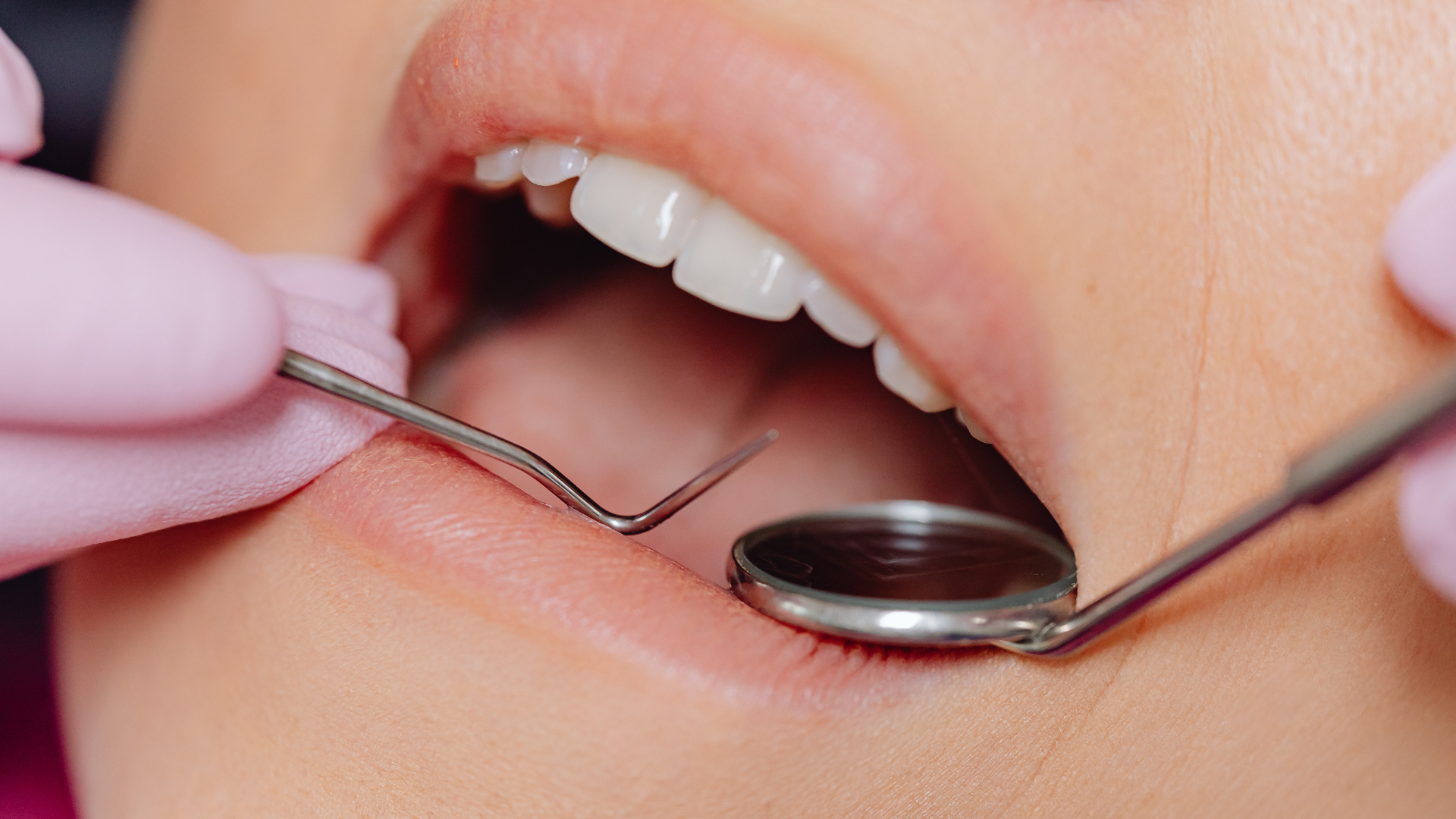
What to Expect During an Emergency Dental Appointment When a dental emergency happens, the pain or sudden damage can be stressful enough without wondering what will happen once you reach the dentist. You may be worried about whether you will need an extraction, a root canal, stitches, or some other major procedure. The good news is that an emergency dental appointment is usually focused first on understanding what happened, controlling pain, identifying the problem, and determining the safest next step. At Gentle Dentistry, we understand that patients often arrive feeling anxious, so our goal is to provide prompt, compassionate care while explaining what is happening along the way. An emergency dental appointment is different from a routine cleaning or checkup because the immediate problem takes priority. Severe tooth pain, a broken or knocked-out tooth, significant swelling, a lost filling or crown, or certain types of oral injuries may require urgent attention. The American Dental Association identifies conditions such as severe dental pain, localized infection or swelling, painful tooth fractures, dental trauma, and uncontrolled bleeding among situations that may require urgent or emergency dental care. Knowing what to expect can make it easier to seek care instead of delaying because you are unsure what the appointment will involve.
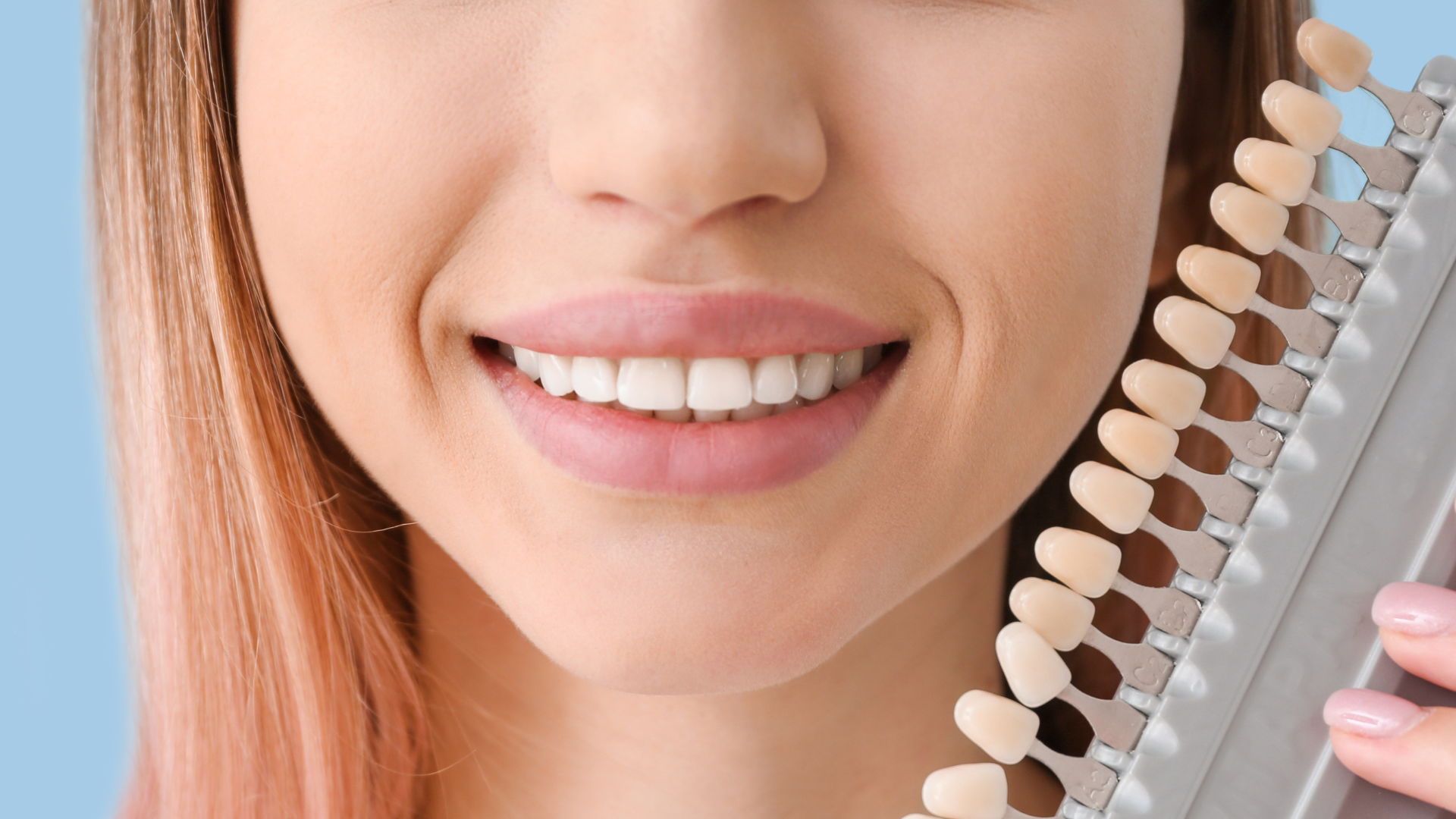
What to Expect at Your First Veneer Consultation If you have been thinking about veneers but have never had a cosmetic dental consultation before, you may be wondering what actually happens when you walk through the door. Will the dentist examine your teeth, take pictures, discuss colors, or immediately start preparing your teeth? The first veneer consultation is typically about understanding your goals, evaluating your oral health, discussing your options, and determining whether veneers are appropriate for your smile. At Gentle Dentistry, the consultation is an important opportunity to slow down, ask questions, and make sure you understand your choices before deciding whether to move forward. A veneer consultation is not simply about deciding whether you want whiter or straighter-looking teeth. Your dentist needs to look at your teeth, gums, bite, existing restorations, and overall oral health before recommending cosmetic treatment. Veneers are custom-made restorations that cover the front surfaces of teeth, so the planning process needs to account for both appearance and function. Cleveland Clinic notes that an initial veneer appointment includes an examination to determine whether a patient is a suitable candidate before the treatment process begins. Gentle Dentistry uses this type of personalized evaluation to help patients understand whether veneers fit their specific smile goals.
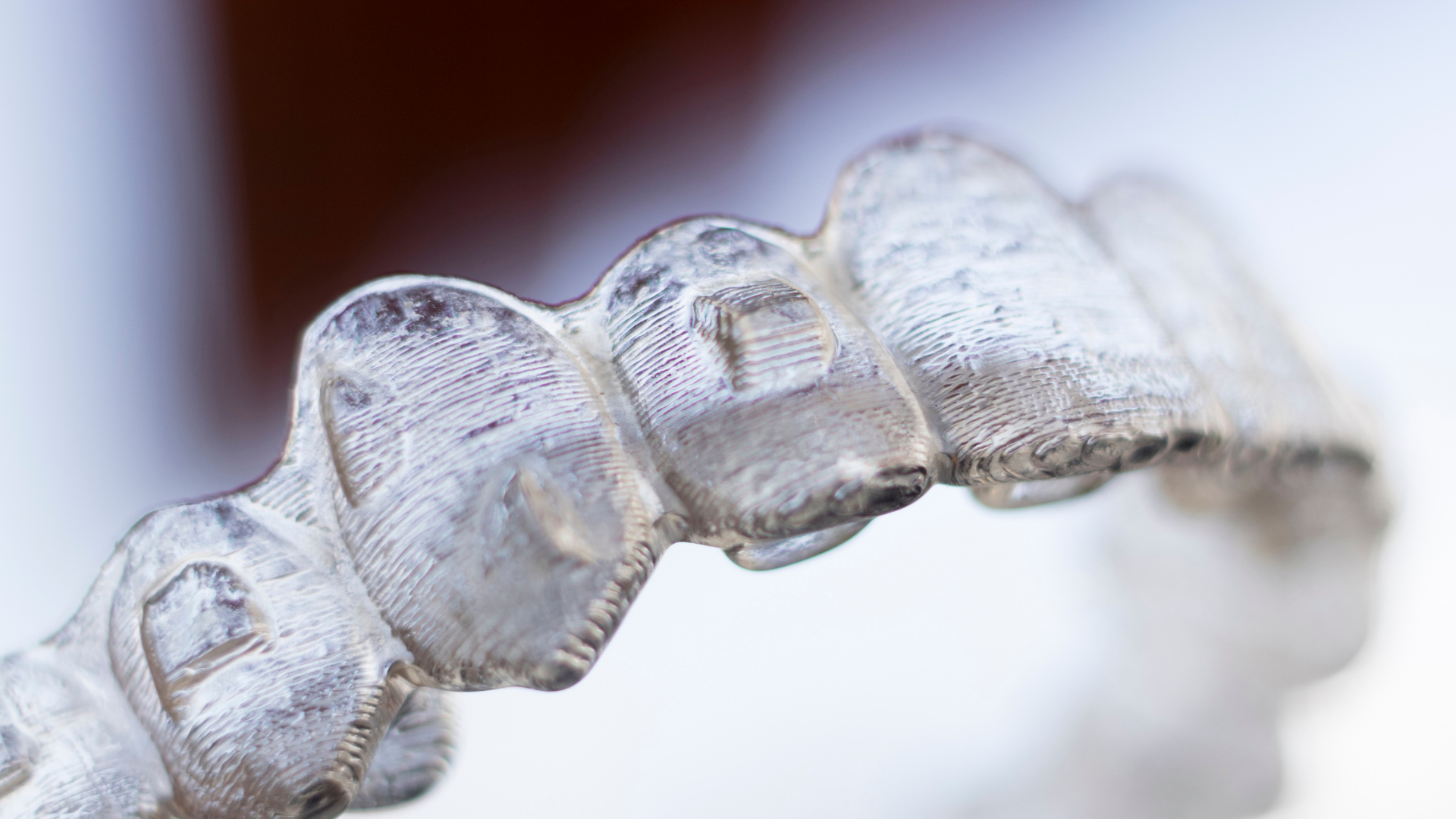
If you are straightening your teeth with SureSmile® Clear Braces, you may also be thinking about making your smile look brighter. After all, what could be better than finishing orthodontic treatment with teeth that are both straighter and whiter? The good news is that teeth whitening and clear aligner treatment can both be part of an overall smile plan, but the timing and method matter. Before adding whitening products to your routine, it is important to understand how whitening works, how your aligners fit into the process, and why talking with your dentist can help you get a more predictable result.