Top 5 Reasons to Visit an Emergency Dentist Immediately

May 14, 2025

Dental emergencies can escalate quickly, turning manageable issues into serious complications if not treated promptly. From excruciating tooth pain to knocked-out teeth, seeking immediate care from an emergency dentist can preserve your smile, prevent infection, and alleviate pain. In this guide, we explore the top five reasons you should visit an emergency dentist without delay, supported by expert insights and actionable advice to help you navigate urgent dental situations effectively.

1. Severe Tooth Pain Demanding Immediate Attention

Unrelenting, throbbing tooth pain often signals an underlying infection or abscess that won’t resolve on its own. Over-the-counter pain relievers may mask the discomfort temporarily, but without professional intervention, the infection can spread, leading to bone loss or systemic illness. When your pain prevents sleep or daily activities, delaying care increases the risk of permanent damage and the need for more extensive treatments like root canals or extractions. If you experience swelling, fever, or a bitter taste alongside pain, these are red flags indicating a dental emergency requiring immediate evaluation

2. Knocked-Out Teeth and Urgent Reimplantation

A completely dislodged (avulsed) permanent tooth is a true dental emergency, with the highest chance of successful reimplantation if acted upon within 30–60 minutes. Handle the tooth by the crown only, rinse gently with water—avoiding scrubbing—and attempt to place it back in the socket. If reinsertion is not possible, store the tooth in milk or saline solution to preserve living periodontal cells. Prompt transport to an emergency dentist can mean the difference between saving your natural tooth and requiring a dental implant or bridge.

3. Broken or Chipped Teeth Risking Further Damage

Even small chips create rough edges that can cut your tongue or gums, while larger fractures expose the tooth pulp, increasing sensitivity and infection risk. Immediate dental attention can restore the tooth with bonding, crowns, or veneers, preventing decay and further structural damage. Neglecting a broken tooth can lead to pulp exposure, abscess formation, and potentially, tooth loss. Protecting your smile means addressing cracks and chips as soon as they occur, rather than waiting for pain to intensify.

4. Dental Abscess Threatening Overall Health

A dental abscess—a pocket of pus caused by bacterial infection—can rapidly worsen, leading to facial swelling, fever, and even sepsis if left untreated. Abscesses do not resolve without professional drainage and antibiotics, and delaying treatment can allow the infection to spread to the jawbone or bloodstream. Symptoms such as persistent throbbing, swollen lymph nodes, and an open gum sore indicate a spreading infection that demands emergency care. Early intervention preserves both your tooth and your systemic health.

5. Uncontrolled Bleeding and Soft Tissue Trauma

Facial or oral injuries causing continuous bleeding—often from lacerated gums, cheeks, or tongue—require prompt control and stitches to prevent blood loss and infection. Dental trauma from sports or accidents can also involve broken facial bones, which may be accompanied by airway compromise. Applying direct pressure, using clean gauze, and seeking emergency dental or medical attention can stabilize the situation and prevent further complications.

Sample Scenario: Acting Quickly Makes the Difference

Consider Sarah, who fractured her front tooth after slipping on ice. Initially ignoring the small crack, she developed severe sensitivity and swelling over the weekend. By Monday morning, an emergency dentist stabilized the tooth with a temporary crown, administered antibiotics for infection, and scheduled a permanent restoration—saving Sarah’s natural tooth and avoiding more invasive treatment. Acting swiftly not only reduced her pain but also cut overall treatment time and cost.

Preventive Measures to Minimize Emergencies

While not all emergencies can be avoided, you can reduce risk by wearing mouthguards during sports, avoiding using teeth as tools, and scheduling biannual dental checkups to catch issues early. Good oral hygiene—brushing twice daily, flossing, and using fluoride rinse—helps prevent decay and abscesses that often precipitate emergencies. Being proactive about dental health means fewer crises and a healthier smile over the long term.

Conclusion: Don’t Wait—Seek Help Immediately

Dental emergencies are time-sensitive; delaying care often leads to increased pain, higher costs, and more complex treatments. Whether you’re facing intense tooth pain, a knocked-out tooth, a broken tooth, or an abscess, visiting an emergency dentist promptly is essential for the best outcome. If you have any questions or need urgent dental care, reach out now—we’re here to provide the immediate attention your smile deserves.

Feel free to share this blog with someone who might enjoy it!

How Fast Should You Respond to a Knocked-Out Tooth?
March 11, 2026
Understanding the Urgency of a Knocked-Out Tooth A knocked-out tooth, also known as an avulsed tooth, is one of the most serious dental emergencies. The speed of your response can mean the difference between saving the tooth and permanent loss. At Gentle Dentistry , we emphasize the importance of immediate action when a tooth is knocked out, especially for front teeth, which are vital for both aesthetics and function. Knowing what to do before you reach a dentist can significantly improve the chances of successful reimplantation.
Top Celebrities Who Have Veneers (and What We Can Learn from Their Smiles)
March 4, 2026
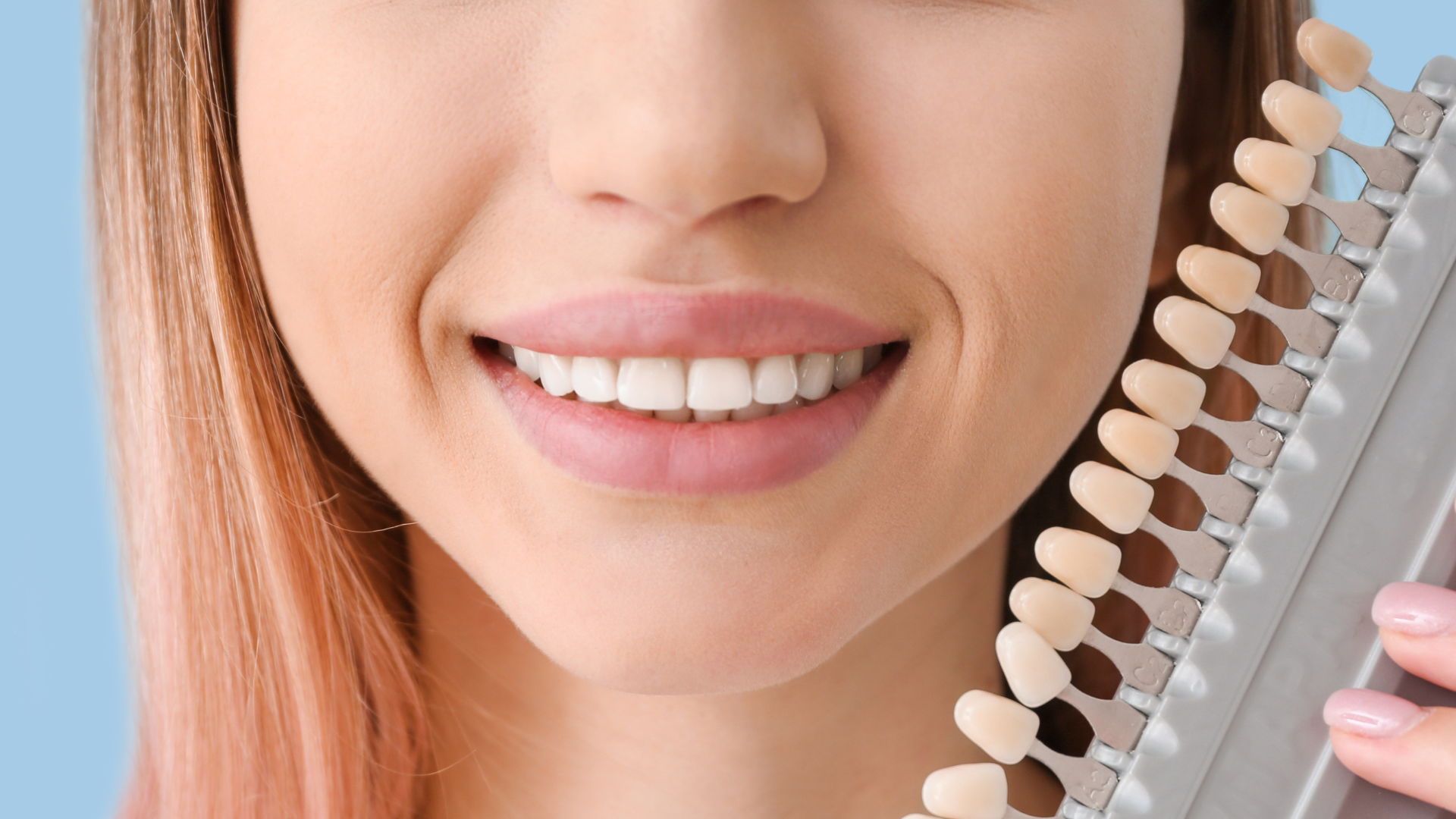
Why Veneers Are Popular Among Celebrities A flawless smile is often considered a hallmark of celebrity status, and many Hollywood stars credit veneers for their dazzling grins. Veneers are thin shells of porcelain or composite bonded to teeth to improve shape, color, and alignment. While celebrities have access to top-tier cosmetic dentistry, their choices can teach us valuable lessons about enhancing our own smiles. At Gentle Dentistry, we see firsthand how veneers can transform confidence and overall oral aesthetics. Whether for minor imperfections or full smile makeovers, veneers remain one of the most effective cosmetic solutions.
February 25, 2026
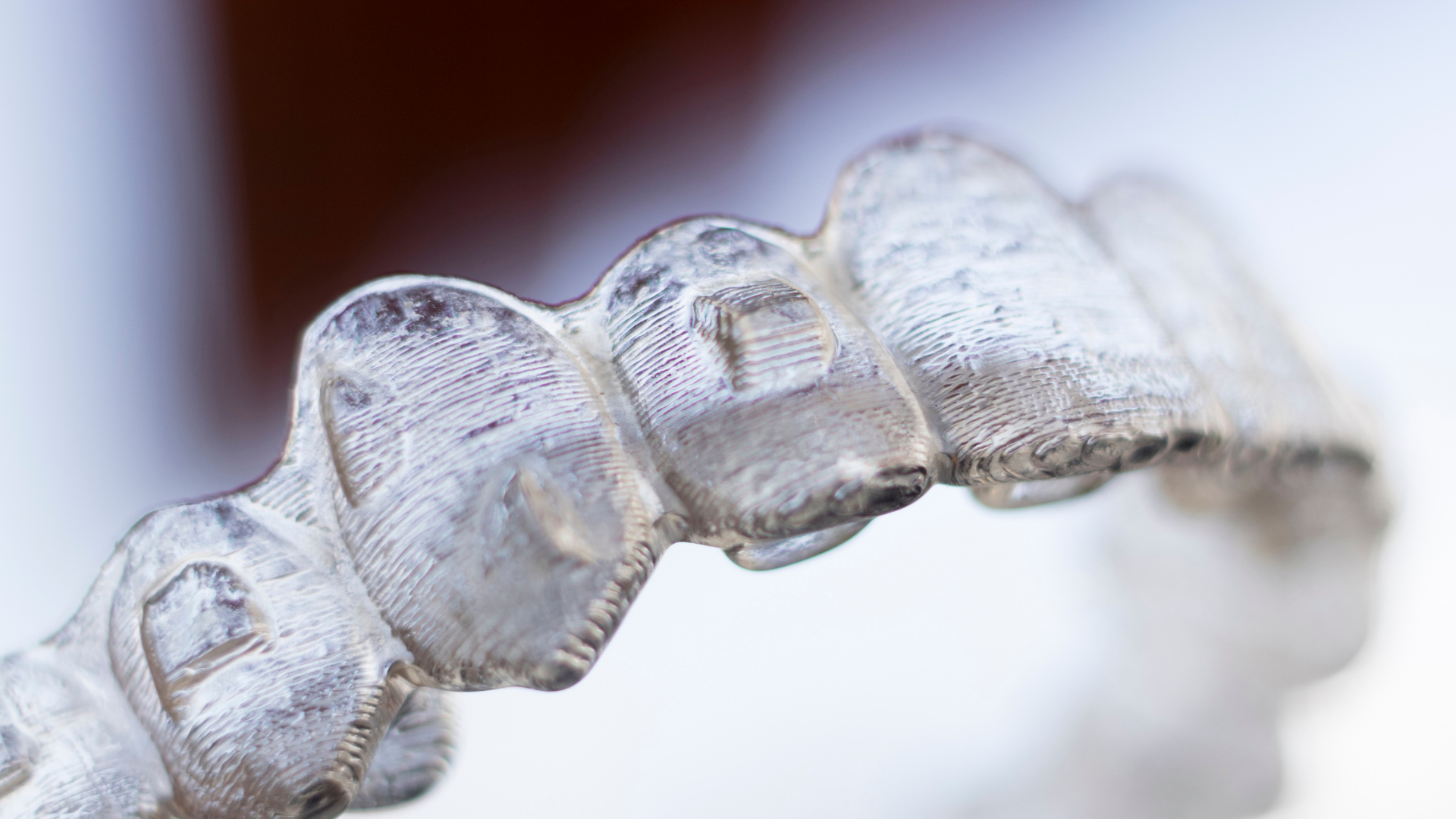
What Are Invisalign Attachments? If you are starting Invisalign treatment, you may hear your dentist mention “attachments.” For many patients, this raises immediate questions. Are they visible? Do they hurt? Are they necessary? At Gentle Dentistry , we make sure patients understand exactly what Invisalign attachments are and why they play such an important role in successful treatment. Invisalign attachments are small, tooth-colored shapes temporarily bonded to specific teeth. They act like tiny anchors, helping the aligners apply precise pressure. Without them, certain tooth movements would be much harder to achieve.
Show More