Veneers 101: How They Enhance Both Appearance and Confidence

May 7, 2025

Dental veneers have revolutionized cosmetic dentistry, offering a transformative solution for those seeking to enhance their smile and boost self-confidence. These thin, custom-made shells are designed to cover the front surface of teeth, addressing various dental imperfections and providing a natural-looking, radiant smile. In this comprehensive guide, we'll delve into the world of veneers, exploring their benefits, procedures, and the profound impact they can have on one's appearance and self-esteem.

What Are Dental Veneers?

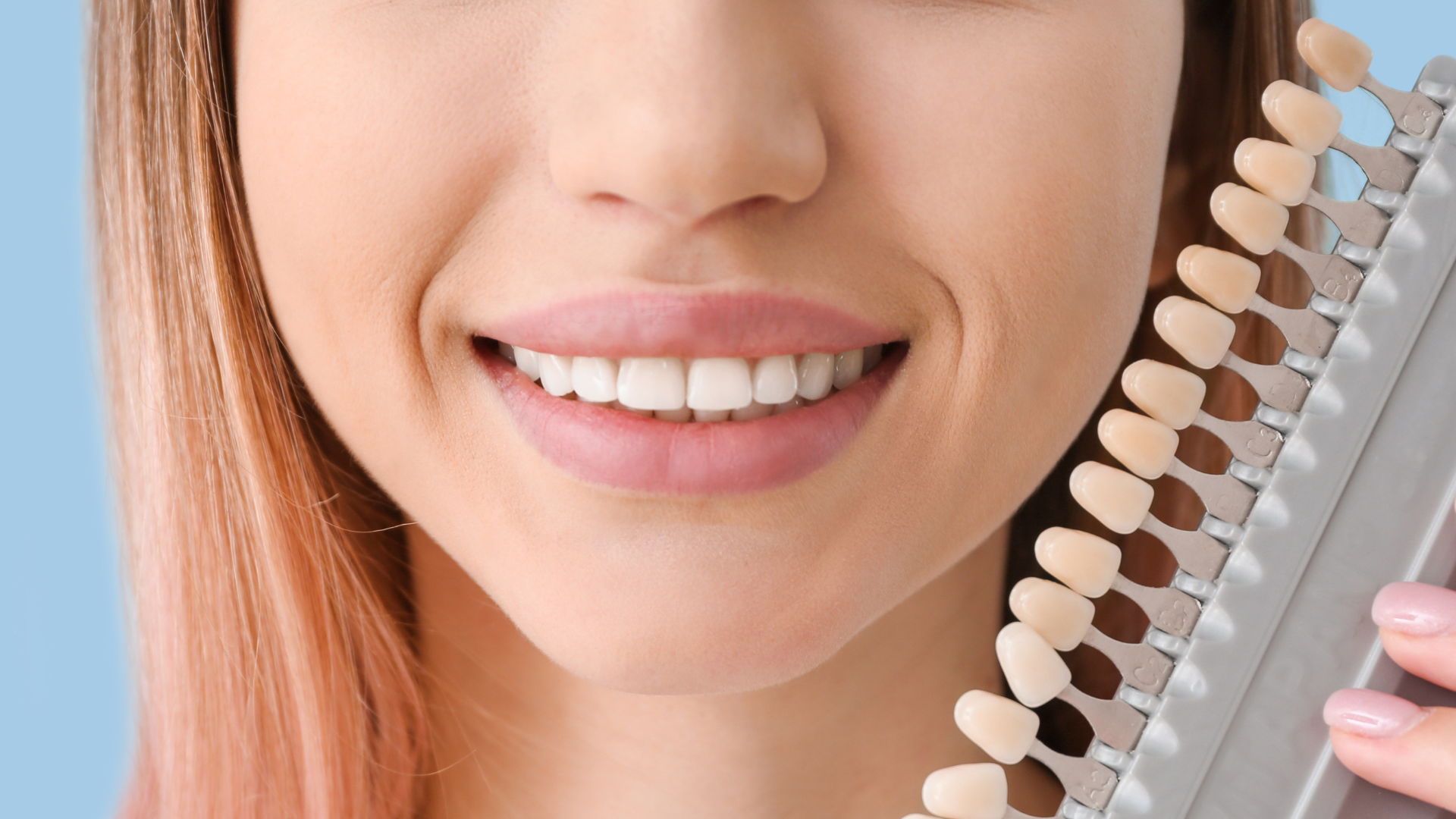
Dental veneers are wafer-thin shells, typically made from porcelain or composite resin, that are bonded to the front of teeth to improve their appearance. They are custom-crafted to match the color, shape, and size of your natural teeth, ensuring a seamless and aesthetically pleasing result. Veneers are commonly used to address issues such as discoloration, chips, gaps, and misalignment, offering a versatile solution for various cosmetic concerns.

The Aesthetic Advantages of Veneers

One of the primary reasons individuals opt for veneers is their ability to dramatically enhance the appearance of teeth. Whether you're dealing with stubborn stains that resist whitening treatments or minor misalignments that don't necessitate braces, veneers can provide a uniform, bright, and symmetrical smile. Their translucent quality mimics natural tooth enamel, making them virtually indistinguishable from real teeth.

Boosting Confidence Through a Radiant Smile

A confident smile can significantly influence personal and professional interactions. Many patients report a surge in self-esteem following their veneer procedure. By correcting dental imperfections, veneers can alleviate self-consciousness, allowing individuals to engage more freely in social situations and express themselves without hesitation.

The Veneer Procedure: What to Expect

The process of getting veneers typically involves several steps:

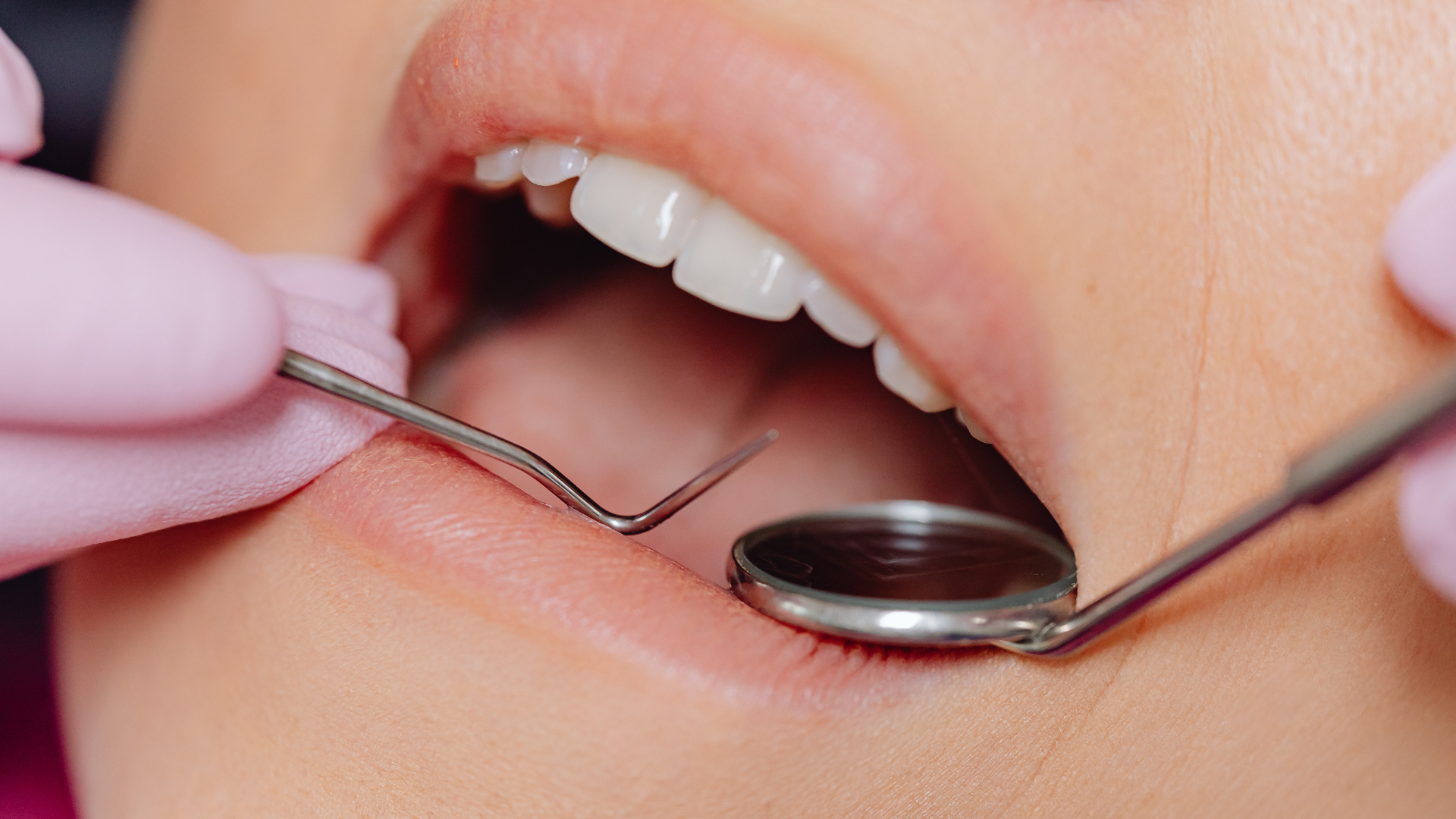
  1. Consultation: Your dentist will assess your oral health, discuss your goals, and determine if veneers are suitable for you.
  2. Preparation: A small amount of enamel is removed from the tooth surface to accommodate the veneer.
  3. Impression: An impression of your teeth is taken to create custom veneers.
  4. Bonding: Once ready, the veneers are bonded to your teeth using a special adhesive, and any necessary adjustments are made for a perfect fit.

This minimally invasive procedure usually requires two to three visits, resulting in a durable and long-lasting smile enhancement.

Durability and Maintenance of Veneers

With proper care, veneers can last between 10 to 15 years. Maintaining good oral hygiene practices, such as regular brushing, flossing, and dental check-ups, is essential to prolong their lifespan. While veneers are stain-resistant, it's advisable to limit the consumption of staining agents like coffee, tea, and tobacco to maintain their pristine appearance.

Addressing Common Dental Issues with Veneers

Veneers are effective in correcting a range of dental imperfections, including:

  • Discoloration: Especially for teeth that don't respond to whitening treatments.
  • Chips and Cracks: Providing a smooth and uniform tooth surface.
  • Gaps: Closing small spaces between teeth without orthodontics.
  • Misalignment: Offering a straighter appearance for mildly crooked teeth.

By addressing these issues, veneers contribute to both functional and aesthetic improvements.

Veneers vs. Other Cosmetic Dental Options

While veneers are a popular choice, it's essential to consider other cosmetic dental options:

  • Teeth Whitening: Ideal for surface stains but may not address deeper discoloration.
  • Dental Bonding: A cost-effective solution for minor repairs but less durable than veneers.
  • Orthodontics: Necessary for significant misalignments but involves a longer treatment period.

Consulting with your dentist will help determine the most suitable option based on your specific needs and goals.

Psychological Impact: Beyond the Smile

The benefits of veneers extend beyond physical appearance. A rejuvenated smile can lead to improved mental well-being, reducing anxiety related to self-image and enhancing overall quality of life. Patients often experience increased social engagement and a more positive outlook, underscoring the profound psychological impact of cosmetic dental procedures.

Cost Considerations and Insurance

The cost of veneers varies based on factors like material choice, the number of teeth treated, and geographic location. While veneers are generally considered a cosmetic procedure and may not be covered by insurance, some plans might offer partial coverage if the veneers also serve a functional purpose. Discussing financing options and potential insurance benefits with your dental provider is recommended.

Is There a Downside to Veneers?

While veneers offer numerous benefits, it's important to consider potential drawbacks:

  • Irreversibility: The enamel removal process is permanent.
  • Sensitivity: Some patients may experience increased tooth sensitivity.
  • Cost: Veneers can be a significant investment.

Understanding these factors and discussing them with your dentist ensures informed decision-making.

Real-Life Transformations: A Case Study

Consider the story of a professional who felt self-conscious about her stained and uneven teeth. After receiving veneers, she reported a newfound confidence, leading to improved interactions at work and in social settings. This transformation highlights how veneers can positively impact various aspects of life, from personal relationships to career advancement.

Taking the Next Step

If you're considering veneers to enhance your smile and boost your confidence, the first step is a consultation with a qualified cosmetic dentist. They will evaluate your dental health, discuss your aesthetic goals, and develop a personalized treatment plan. Embracing the possibilities that veneers offer can be the beginning of a journey toward a more confident and radiant you.

For more information or to schedule a consultation, feel free to reach out to our team. We're here to answer any questions and help you embark on the path to your dream smile.

Feel free to share this blog with someone who might enjoy it!

How Fast Should You Respond to a Knocked-Out Tooth?
March 11, 2026
Understanding the Urgency of a Knocked-Out Tooth A knocked-out tooth, also known as an avulsed tooth, is one of the most serious dental emergencies. The speed of your response can mean the difference between saving the tooth and permanent loss. At Gentle Dentistry , we emphasize the importance of immediate action when a tooth is knocked out, especially for front teeth, which are vital for both aesthetics and function. Knowing what to do before you reach a dentist can significantly improve the chances of successful reimplantation.
Top Celebrities Who Have Veneers (and What We Can Learn from Their Smiles)
March 4, 2026
Why Veneers Are Popular Among Celebrities A flawless smile is often considered a hallmark of celebrity status, and many Hollywood stars credit veneers for their dazzling grins. Veneers are thin shells of porcelain or composite bonded to teeth to improve shape, color, and alignment. While celebrities have access to top-tier cosmetic dentistry, their choices can teach us valuable lessons about enhancing our own smiles. At Gentle Dentistry, we see firsthand how veneers can transform confidence and overall oral aesthetics. Whether for minor imperfections or full smile makeovers, veneers remain one of the most effective cosmetic solutions.
February 25, 2026
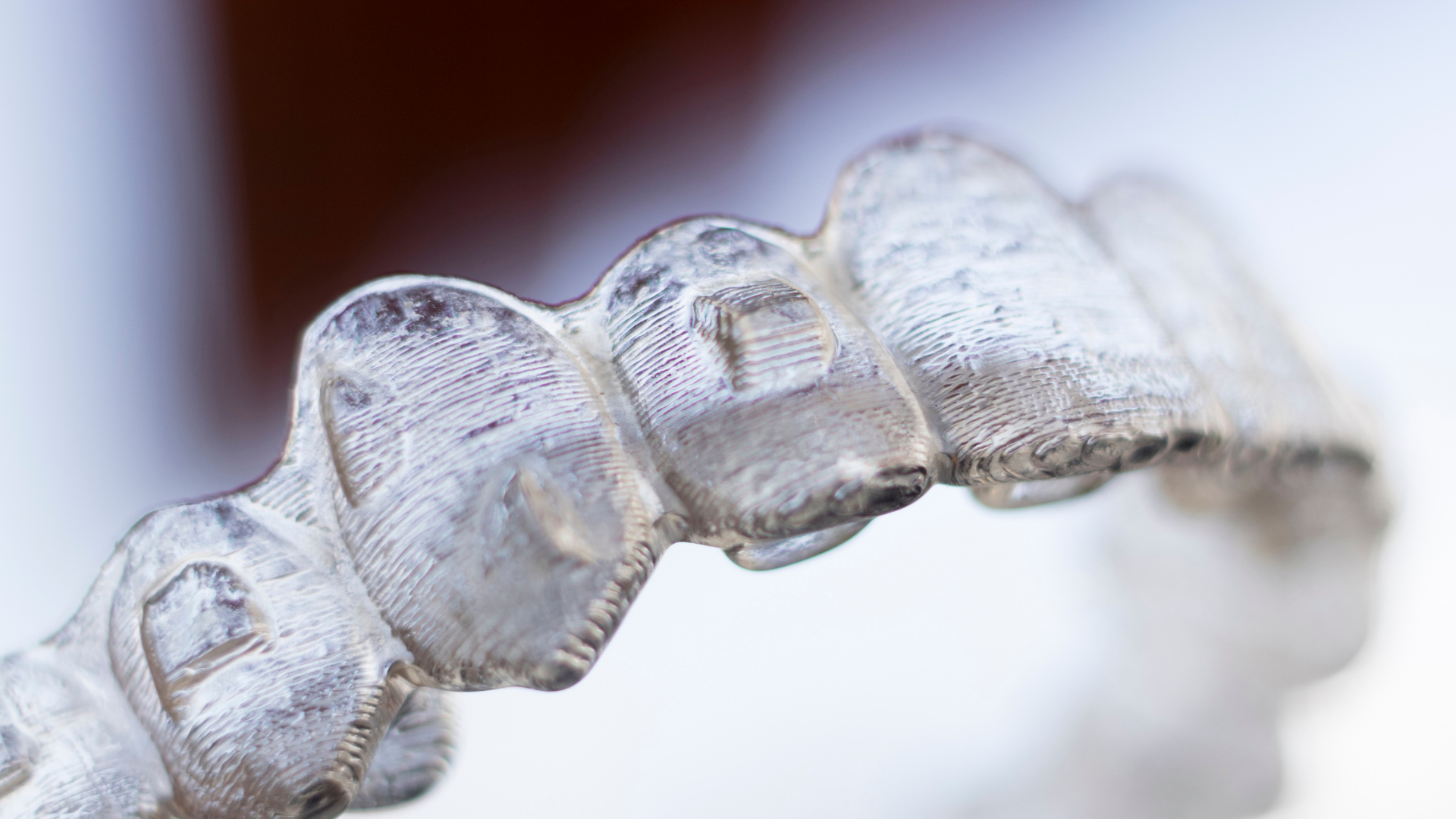
What Are Invisalign Attachments? If you are starting Invisalign treatment, you may hear your dentist mention “attachments.” For many patients, this raises immediate questions. Are they visible? Do they hurt? Are they necessary? At Gentle Dentistry , we make sure patients understand exactly what Invisalign attachments are and why they play such an important role in successful treatment. Invisalign attachments are small, tooth-colored shapes temporarily bonded to specific teeth. They act like tiny anchors, helping the aligners apply precise pressure. Without them, certain tooth movements would be much harder to achieve.
Show More