
Can You Whiten Your Teeth While Using SureSmile® Clear Braces?

August 26, 2026

If you are straightening your teeth with SureSmile® Clear Braces, you may also be thinking about making your smile look brighter. After all, what could be better than finishing orthodontic treatment with teeth that are both straighter and whiter? The good news is that teeth whitening and clear aligner treatment can both be part of an overall smile plan, but the timing and method matter. Before adding whitening products to your routine, it is important to understand how whitening works, how your aligners fit into the process, and why talking with your dentist can help you get a more predictable result.

Can You Whiten Your Teeth While Wearing SureSmile® Clear Braces?

The short answer is that you should not automatically assume you can use any whitening product while wearing SureSmile® Clear Braces. SureSmile® aligners are designed primarily to move your teeth according to a customized treatment plan, while whitening products are designed to change the color of natural tooth structure. SureSmile® itself currently identifies whitening as an option associated with treatment and specifically describes its whitening kit as something provided after aligner treatment is complete. Because every patient's teeth, gums, sensitivity, and treatment plan are different, Gentle Dentistry recommends discussing whitening with your dental professional before starting it during aligner treatment.


Why Timing Matters With Teeth Whitening

Whitening is not simply a matter of putting a whitening product against your teeth and waiting for them to become brighter. Professional and over-the-counter whitening products commonly use peroxide-based ingredients such as hydrogen peroxide or carbamide peroxide, and these ingredients can cause temporary tooth sensitivity or gum irritation. The American Dental Association recommends considering a dental examination before bleaching so that existing dental problems, sensitivity, and the source of discoloration can be evaluated. When you are already moving your teeth with SureSmile® Clear Braces, coordinating the timing of whitening with your dentist can help prevent unnecessary discomfort and make the overall smile plan more predictable.

Why Whitening During Clear Aligner Treatment Can Be Complicated

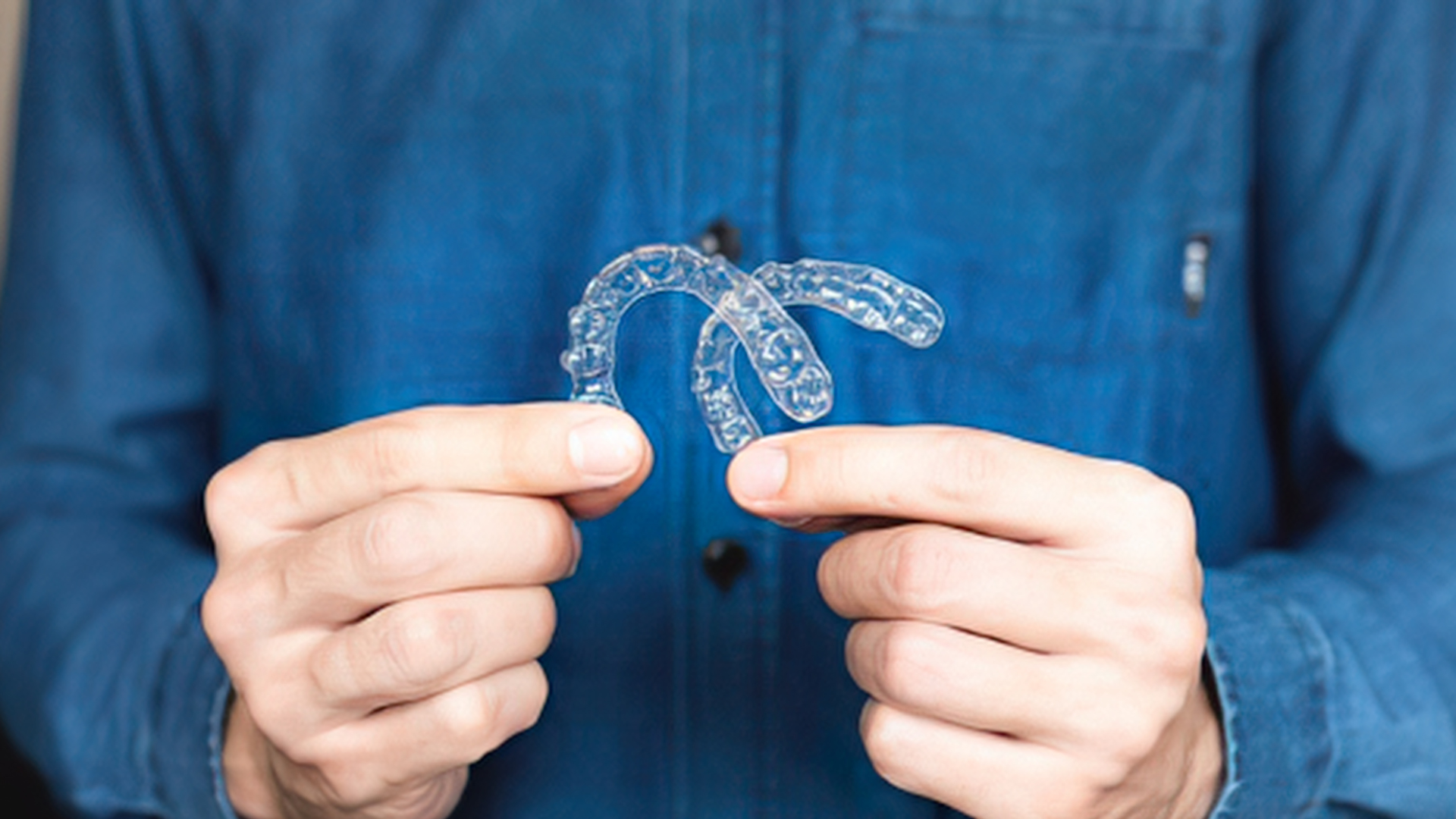
One reason whitening during orthodontic treatment deserves some thought is that your teeth are constantly changing position. SureSmile® Clear Braces use a series of customized transparent trays that gradually move teeth toward their planned positions, with regular check-ins to monitor progress. If you whiten before your teeth have reached their final positions, the shade you see during treatment may not necessarily be the shade you notice once your smile is fully aligned. Gentle Dentistry can evaluate your current smile and help determine whether whitening now, later in treatment, or after your aligners are finished makes the most sense for your situation.


Another consideration is that whitening only changes the color of natural tooth structure. Tooth-colored fillings, crowns, veneers, and other restorations do not respond to bleaching in the same way natural teeth do. This means whitening at the wrong stage could potentially make differences between natural teeth and restorations more noticeable. If you have existing dental work, Gentle Dentistry can help you understand how your restorations may affect the final appearance of your smile before you commit to a whitening routine.

What About Using Your SureSmile® Aligners as Whitening Trays?

It may seem logical to think that because SureSmile® trays fit closely over your teeth, you can simply place whitening gel inside them. However, your clear aligners are designed and prescribed for orthodontic movement, not automatically as a substitute for a dentist-supervised whitening tray. SureSmile® provides separate wear and care instructions for its aligners and has a distinct whitening kit, which reinforces the importance of following the specific product and treatment instructions you receive. Rather than experimenting with whitening gel inside an aligner, ask Gentle Dentistry whether a particular whitening method is appropriate for your treatment plan.


This distinction is important because whitening products vary in concentration, application method, and recommended wear time. Professional take-home whitening systems may use custom trays specifically designed to hold whitening gel against the teeth while minimizing unnecessary contact with the gums. The ADA notes that both dentist-supervised and over-the-counter whitening options exist, but sensitivity and gum irritation are among the most common side effects. Using a product incorrectly or combining treatments without professional guidance can turn a cosmetic improvement into an uncomfortable experience.

Could Whitening Make Your Teeth More Sensitive During SureSmile® Treatment?

Tooth sensitivity is one of the biggest reasons to think carefully about combining whitening with orthodontic treatment. Whitening can temporarily make teeth more sensitive, particularly when peroxide-based products are used at higher concentrations or for longer periods. If you are already experiencing sensitivity from cold foods, pressure, or other changes during your SureSmile® treatment, adding whitening without discussing it with your dentist may make your daily routine less comfortable.


Sensitivity does not necessarily mean whitening is unsafe for you, but it is a reason to pay attention to how your teeth and gums respond. If you notice sharp or persistent sensitivity, gum irritation, or discomfort after using a whitening product, stop and contact your dental professional for guidance. Gentle Dentistry can help determine whether the discomfort is related to whitening, orthodontic movement, an existing dental issue, or a combination of factors. The goal should not simply be a brighter smile, but a healthy and comfortable smile throughout the entire treatment process.

The Better Approach: Plan Whitening Around Your SureSmile® Treatment

For many patients, the most predictable approach may be to focus first on completing the tooth-straightening process and then whiten once the teeth have reached their planned positions. SureSmile® specifically describes its whitening kit as an option available after aligner treatment, and its treatment process includes ongoing monitoring followed by retention to help maintain the new alignment. Waiting can also make it easier to see the complete smile before deciding how much whitening you actually want. Gentle Dentistry can help you create a sequence that considers both the alignment and color of your teeth rather than treating each goal separately.


A Simple Smile-Brightening Plan May Look Like This:

  • Begin with a dental examination and discuss your smile goals.
  • Complete your SureSmile® treatment according to your customized plan.
  • Maintain excellent brushing and flossing throughout treatment.
  • Keep your aligners clean according to their specific care instructions.
  • Discuss whitening once your teeth have reached their intended positions.
  • Address cavities, gum concerns, sensitivity, or damaged restorations before whitening.
  • Use dentist-recommended whitening products exactly as directed.
  • Maintain your results with good oral hygiene and regular dental visits.


This approach can be especially helpful if your primary goal is a balanced, natural-looking smile rather than simply getting the whitest possible shade. Teeth that are properly aligned can make your smile appear more uniform even before whitening is considered. Once alignment is complete, your dentist can evaluate the finished position and color of your teeth and determine whether whitening could enhance the result. That combination of planning and timing is one reason Gentle Dentistry takes a personalized approach to cosmetic and orthodontic care.

What Can You Do While Waiting to Whiten?

If you decide to postpone whitening until after your SureSmile® treatment, that does not mean you have to give up on having a clean and attractive smile in the meantime. Consistent brushing and flossing are especially important during orthodontic treatment because keeping your teeth clean helps protect the areas around and between your moving teeth. The ADA also emphasizes that regular dental visits during orthodontic treatment can help identify oral health concerns while treatment is underway. A good daily routine can help you maintain a healthier-looking smile while you work toward your final alignment.


You can also pay attention to habits that contribute to surface staining. Coffee, tea, tobacco, certain foods, and other factors can contribute to discoloration over time, although not every type of discoloration can be removed simply by brushing. Whitening toothpastes may help with surface stains, but they are not equivalent to professional bleaching and should still be used according to their directions. If you are unsure whether what you are seeing is a surface stain or a deeper color change, Gentle Dentistry can help determine what type of treatment is most appropriate.

How Effective Is Professional Teeth Whitening?

Professional whitening can be an effective way to lighten natural teeth, but results depend on the type of discoloration, the whitening method, the condition of the teeth, and how the treatment is performed. The ADA explains that whitening can address both extrinsic and intrinsic staining, although different stains can respond differently to treatment. This is why a dental evaluation is valuable before deciding that a particular whitening product will give you the exact result you want. A brighter smile is possible for many patients, but the most effective plan is the one matched to the reason your teeth look darker in the first place.


It is also important to have realistic expectations about what whitening can and cannot do. Natural teeth can be whitened, but tooth-colored restorations such as veneers and crowns do not simply change shade along with natural enamel. If your smile includes restorations, Gentle Dentistry can help you consider the relationship between your natural tooth color and existing dental work before whitening. Planning this ahead of time can help reduce the chance of ending up with a noticeable mismatch after treatment.

Picture the Difference After Your Aligners Are Finished

Consider a patient who begins SureSmile® treatment because they want to correct crowding and feel more confident about smiling. During the early months, they are tempted to start whitening immediately because they want to see a dramatic change as quickly as possible. Instead, they decide to concentrate on wearing their aligners as directed, maintaining good oral hygiene, and discussing whitening at their regular appointments.


Once the teeth reach their planned positions, the patient can see the entire smile more clearly and decide whether additional cosmetic treatment is necessary. Their dentist can then evaluate their tooth color, existing restorations, sensitivity, and overall oral health before recommending an appropriate whitening approach. The result is not simply a whiter smile or a straighter smile, but a treatment plan designed around how the finished smile should look as a whole. For patients working with Gentle Dentistry, this type of coordinated planning can make the cosmetic process feel much less confusing.

What About SureSmile® Whitening After Treatment?

If you are specifically interested in whitening as part of your SureSmile® journey, it is worth knowing that SureSmile® currently describes a whitening kit as an option after aligner treatment is complete. Its information states that the whitening kit is designed to brighten teeth after treatment, while its treatment process also includes retainers to help maintain your new alignment. That timing can make practical sense because you are evaluating the color of your teeth after they have reached their intended positions. Your dentist can then determine whether the available whitening approach is appropriate for your individual needs.


Of course, every patient's treatment plan is different. Some people may have existing restorations, enamel concerns, sensitivity, staining, cavities, or gum issues that should be addressed before cosmetic whitening. Others may have relatively mild discoloration and simply want to maintain a clean, healthy-looking smile. Gentle Dentistry can help you decide what makes sense for you rather than assuming the same whitening schedule works for every SureSmile® patient.

Additional Information

The following existing Gentle Dentistry resources can help you explore related aspects of clear aligner treatment and cosmetic smile care. They provide additional information if you are considering how teeth whitening fits into your overall smile goals.


These resources can help you compare different aspects of cosmetic and orthodontic treatment while giving you a better idea of what questions to bring to your next appointment.

A Brighter Smile Starts With the Right Timing

Wanting a whiter smile while you are straightening your teeth is completely understandable. However, the best results do not necessarily come from doing everything at once, especially when your teeth are actively moving and your gums and teeth may be more sensitive. In many cases, completing SureSmile® treatment first and then evaluating whitening can provide a clearer picture of the finished smile and help your dentist choose an appropriate whitening approach.


At Gentle Dentistry, we believe your smile goals should work together rather than compete with each other. Whether you are interested in SureSmile® Clear Braces, teeth whitening, cosmetic dentistry, or simply want to understand which option makes sense for your smile, our team can help you plan your next step. If you have questions about whitening while using SureSmile® Clear Braces or would like to get started with a personalized smile plan, reach out to Gentle Dentistry today.

Feel free to share this blog with someone who might enjoy it!

How to Manage Dental Pain at Night Before You Can See a Dentist
August 19, 2026
What to Do When Dental Pain Gets Worse at Night Few things feel longer than a night spent trying to sleep with a painful tooth. A toothache can seem manageable during the day when you are busy, but once the house is quiet and you finally lie down, throbbing, pressure, or sensitivity can suddenly feel much more intense. If you cannot see a dentist until the next morning, the goal is to manage your discomfort safely while remembering that temporary relief does not treat the underlying cause. At Gentle Dentistry, we understand how frustrating and exhausting nighttime dental pain can be, which is why knowing what to do before your appointment can help you get through the night more comfortably.  The first thing to understand is that a toothache is a symptom, not a diagnosis. Dental pain can be caused by decay, an infection, a cracked tooth, gum problems, an exposed nerve, a damaged filling, or other conditions that require professional evaluation. Pain may also seem worse at night because lying down can increase the sensation of pressure and because there are fewer distractions competing for your attention. Even if the pain improves temporarily, it is still important to schedule care with Gentle Dentistry or your dentist so the actual cause can be identified and treated.
Are Veneers Permanent or Do They Need Replacement Over Time?
August 12, 2026
How Long Do Veneers Last? If you are considering veneers, one of the biggest questions you may have is whether they are permanent or if they eventually need to be replaced. Veneers are designed to provide long-lasting cosmetic improvement, but they are not necessarily a once-and-done treatment that lasts forever. Depending on the material, your oral health, your habits, and how well you care for your smile, veneers can last for many years before replacement becomes necessary. At Gentle Dentistry, we want patients to understand both the benefits and the long-term responsibilities of veneers before deciding if cosmetic dentistry is right for them. The short answer is that veneers can be long-lasting, but they are not considered permanent for life. Porcelain veneers are often reported to last around 10 to 15 years with proper care, although some may last longer depending on the individual. The American Dental Association notes that studies of porcelain and glass-ceramic veneers have shown strong long-term survival, although complications such as chipping and debonding can eventually occur. This is why thinking about veneers as a long-term investment rather than a lifetime guarantee is a more realistic way to approach treatment.
How Often Do You Need Appointments During SureSmile® Treatment?
August 5, 2026
Understanding SureSmile® Clear Braces Checkups and Your Treatment Schedule One of the questions patients often have before starting clear braces is surprisingly simple: how often will I actually need to see my dentist? If you're balancing work, school, family, travel, or a busy social calendar, knowing how frequently you need appointments can make orthodontic treatment feel much easier to plan. SureSmile® Clear Braces are designed to fit into everyday life, but regular check-ins remain an important part of making sure your treatment is progressing properly. At Gentle Dentistry, we help patients understand what to expect before they begin so there are fewer surprises along the way.  The exact appointment schedule is different for every patient because every smile moves differently. SureSmile® treatment involves a customized plan based on your teeth, bite, treatment goals, and the movements your dentist wants to achieve. SureSmile® itself describes treatment as doctor-directed, with patients checking in regularly as their treatment progresses. This means there isn't one universal schedule that applies to everyone, but there are some general patterns you can expect.
Show More