Can a Loose Tooth Be Saved in Adults? Emergency Treatment Options
Discovering that one of your permanent teeth feels loose can be alarming, especially if you are an adult and have always assumed that loose teeth are something that only happens to children. The good news is that a loose adult tooth does not automatically mean the tooth needs to be removed. Depending on what caused the tooth to become loose, prompt dental treatment may stabilize it, address the underlying problem, and potentially preserve it. The most important step is not to wait and see whether it becomes tighter on its own, particularly if the looseness appeared suddenly.
Can a Loose Tooth Be Saved in Adults?
Yes, a loose adult tooth can sometimes be saved, but the possibility depends on why the tooth is loose and how much damage has occurred. An injury, gum disease, infection, weakened supporting bone, grinding, or excessive pressure on the tooth can all contribute to mobility. Gentle Dentistry evaluates the tooth and the surrounding structures before determining whether stabilization, periodontal treatment, restorative treatment, or another approach is appropriate. The earlier the cause is identified, the more opportunity there may be to protect the natural tooth.
What Determines Whether a Loose Tooth Can Be Saved?
Several factors can affect the outlook for a loose permanent tooth:
- The cause of the looseness: Trauma and periodontal disease require very different treatment approaches.
- How mobile the tooth is: Slight movement may have a different prognosis from a tooth that moves significantly.
- The condition of the supporting bone and gums: Healthy supporting structures can improve the chances of stabilization.
- Whether the tooth is fractured: A crack or root fracture can significantly change treatment options.
- How quickly treatment begins: Prompt evaluation is particularly important after an injury.
- Overall tooth health: Decay, infection, previous dental work, and the condition of the tooth itself all matter.
Because there are so many possible causes, there is no reliable way to determine from home whether a loose tooth can be saved. A dental examination is needed to understand what is happening beneath the gumline and around the tooth.
Why Is My Adult Tooth Loose?
A loose tooth in an adult is usually a sign that something has affected the tooth itself or the structures that hold it in place. One common cause is periodontal disease, which can damage the gums, periodontal ligament, and supporting bone over time. The American Dental Association explains that periodontitis can lead to tooth mobility and eventual tooth loss when the supporting structures are destroyed.
Trauma is another important cause, especially when a tooth becomes loose immediately after a fall, sports injury, car accident, or blow to the mouth. Even if the tooth does not hurt much, the supporting tissues may have been injured. Other possibilities include grinding or clenching, an infection, an issue with the bite, or pressure placed on the tooth over time. Gentle Dentistry recommends prompt attention for dental injuries because a tooth that appears only slightly loose can have damage that is not immediately obvious.
A Loose Tooth After an Injury Needs Prompt Attention
If your adult tooth became loose because of an accident, do not assume that the absence of severe pain means the injury is minor. A tooth can become displaced or loosened when the tissues surrounding its root are damaged, and there may also be an injury to the root or supporting bone. Gentle Dentistry's emergency-care guidance specifically lists a knocked-out or loose permanent tooth as a situation requiring prompt attention.
Time can be especially important after dental trauma because early treatment may allow the dentist to stabilize the tooth before additional movement or damage occurs. The appropriate treatment depends on what happened and what the examination reveals. Your dentist may need to evaluate the tooth's position, mobility, surrounding tissues, and root before deciding what should happen next. If your tooth suddenly became loose after an accident, contacting Gentle Dentistry as soon as possible is a much better approach than testing the tooth repeatedly with your tongue or fingers.
What Should You Do If Your Adult Tooth Becomes Loose?
The first thing to do is avoid putting unnecessary pressure on the tooth while arranging a dental evaluation. Do not wiggle it with your tongue or fingers to see how loose it is, and avoid chewing hard or sticky foods on that side. If the looseness followed an injury, gently rinse your mouth with clean water if needed and use a cold compress on the outside of your face if swelling is present. Gentle Dentistry's guidance for dental injuries also recommends avoiding chewing on the injured side and contacting the dental office for instructions.
Until You Can Be Seen:
- Avoid biting directly with the loose tooth.
- Choose softer foods and chew on the opposite side.
- Do not pull, twist, or repeatedly test the tooth.
- Keep the area as clean as possible without aggressively disturbing it.
- Use a cold compress externally if swelling develops.
- Contact a dentist promptly, particularly if the looseness is sudden.
- Seek emergency medical care if swelling affects breathing or swallowing.
These steps do not repair the tooth, but they can help prevent additional stress while you are waiting for professional care. The goal is to protect the tooth and surrounding tissues until the cause of the looseness can be identified.
How Can a Dentist Save a Loose Tooth?
Treatment for a loose adult tooth depends entirely on the underlying cause. If the tooth became mobile because of trauma, the dentist may stabilize it while the supporting tissues heal. If periodontal disease is responsible, treatment may focus on controlling the infection and inflammation and improving the health of the tissues supporting the tooth. If an infection or damaged tooth structure is involved, restorative or endodontic treatment may be needed instead.
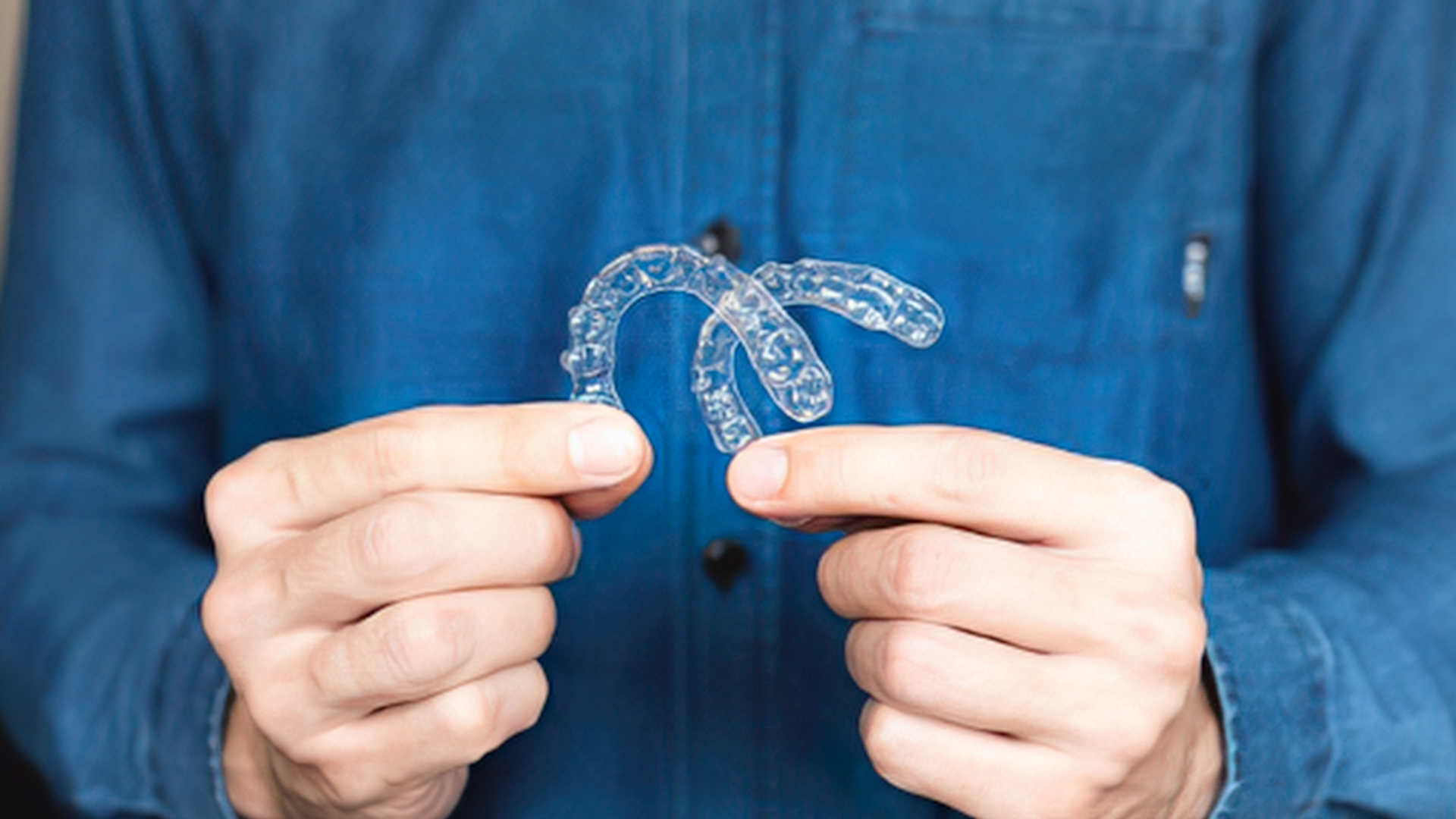
In some cases, a dentist may use a splint to temporarily stabilize an injured tooth by connecting it to neighboring teeth. The purpose is to limit unwanted movement while the supporting structures recover, but not every loose tooth needs or qualifies for the same type of stabilization. Gentle Dentistry will determine the appropriate approach after evaluating the tooth and surrounding structures. The important point is that tooth removal is not necessarily the first or only option when an adult tooth becomes loose.
Can Gum Disease Cause a Loose Tooth?
Yes, advanced periodontal disease can cause adult teeth to become loose because the disease can damage the structures that support them. Unlike a tooth that suddenly becomes loose after an accident, periodontal-related mobility may develop gradually. You might notice bleeding gums, gum recession, persistent bad breath, changes in how your teeth fit together, or increasing movement before the tooth becomes noticeably loose. The ADA identifies tooth mobility as one of the clinical signs that can occur when periodontitis damages the tissues supporting the teeth.
The good news is that periodontal treatment is available, and treating gum disease can help control the condition and protect remaining supporting tissues. Depending on the severity, treatment may include professional cleaning below the gumline, scaling and root planing, improved daily plaque control, or more advanced periodontal procedures. The ADA notes that scaling and root planing is an evidence-supported nonsurgical treatment for periodontitis. Gentle Dentistry can evaluate whether gum disease is contributing to your tooth mobility and recommend treatment based on your individual condition.
What Happens During an Emergency Evaluation for a Loose Tooth?
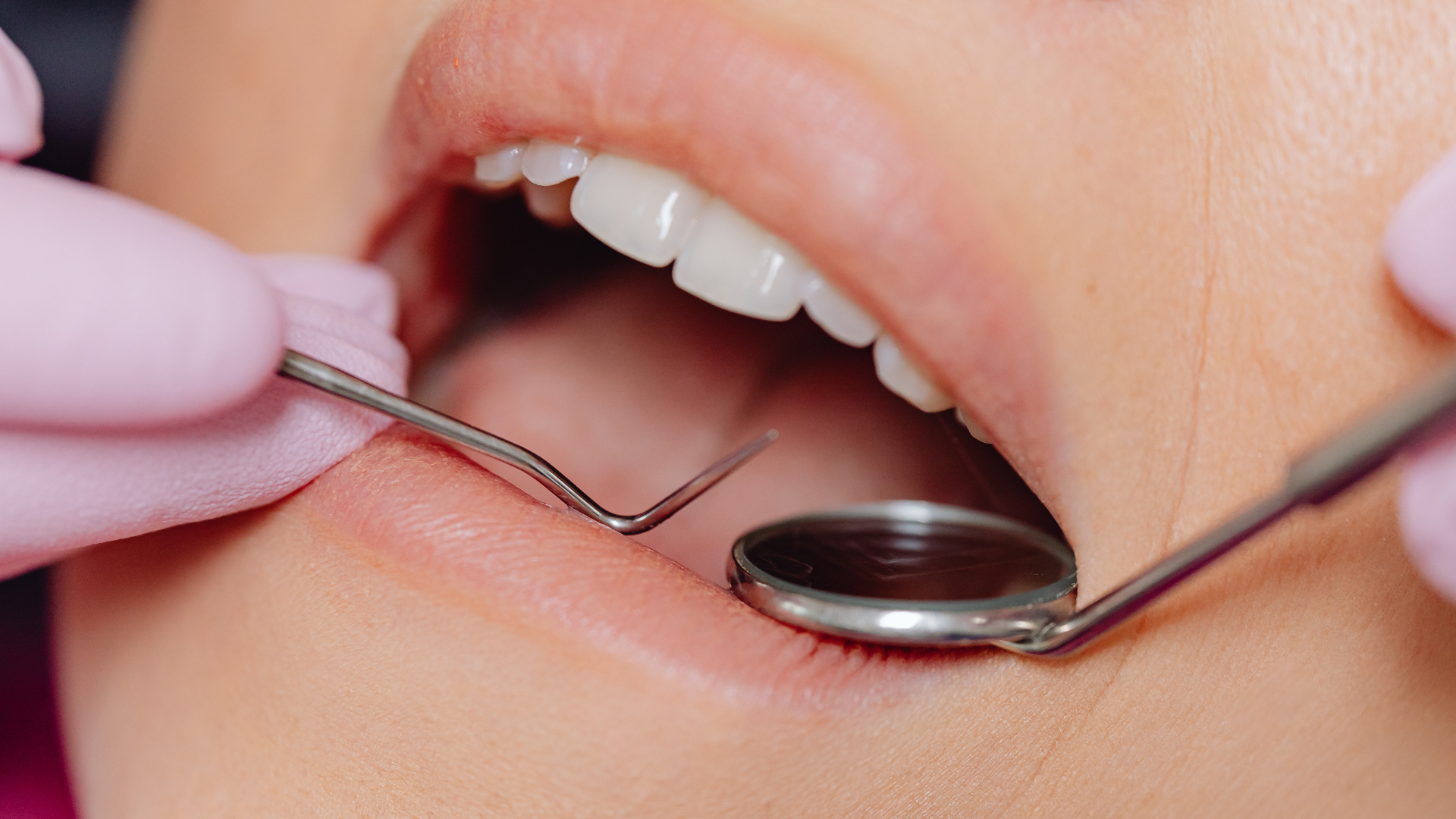
When you arrive at Gentle Dentistry with a loose adult tooth, the first priority is determining why it is moving. Your dentist may ask whether you experienced an injury, how long the tooth has felt loose, whether you have pain or swelling, and whether you have noticed bleeding or other changes. The tooth and surrounding gums will then be examined, and dental imaging may be recommended when additional information is needed. This allows the dentist to look for problems that may not be visible during a basic visual examination.
The evaluation is important because two loose teeth can look similar but require completely different treatments. A tooth loosened by an accident may need stabilization, while a tooth affected by periodontal disease may need treatment of the supporting tissues. A tooth with a fracture or infection may require another type of restorative care. Gentle Dentistry's emergency appointment process focuses on identifying the underlying problem before deciding on the safest treatment.
Can a Loose Tooth Tighten Back Up?
In certain situations, a loose tooth can become more stable after the underlying problem is treated and the supporting tissues have an opportunity to heal. This is one reason dentists may choose to stabilize an injured tooth rather than immediately remove it. However, you should not interpret temporary improvement as proof that the tooth is healthy. If the cause of the looseness remains untreated, the tooth may become loose again or suffer additional damage.
This is especially important when periodontal disease is involved. A tooth may continue to have weakened support even if its movement seems less noticeable for a period of time. Treating the underlying disease and maintaining professional follow-up are important for protecting the remaining teeth as well. Gentle Dentistry can help determine whether your tooth has a reasonable opportunity to remain functional and what needs to happen to improve its long-term stability.
When Is a Loose Tooth Considered an Emergency?
Not every slightly mobile tooth requires an emergency visit, but sudden looseness should be taken seriously, particularly when it follows an injury. A loose permanent tooth accompanied by severe pain, significant bleeding, swelling, a visible shift in position, or facial trauma deserves prompt evaluation. Gentle Dentistry's emergency-care resources identify loose or knocked-out permanent teeth, significant swelling, severe tooth pain, and dental injuries as reasons to seek urgent care.
Seek prompt dental care if you have:
- A permanent tooth that suddenly becomes loose.
- A tooth that moved or changed position after an accident.
- Significant pain or sensitivity along with looseness.
- Bleeding or swelling around the affected tooth.
- A tooth that feels increasingly unstable.
- Signs of infection, such as swelling, drainage, or fever.
- A loose tooth combined with a broken or fractured tooth.
- Difficulty biting normally after an injury.
If you have severe facial swelling or swelling that interferes with breathing or swallowing, seek emergency medical attention immediately. These symptoms can indicate a potentially serious infection or injury that requires more than routine dental care.
A Small Change That Should Not Be Ignored
Consider someone who notices that one of their front teeth feels slightly loose after accidentally hitting their mouth. There is little pain, so they initially decide to wait and see if the tooth feels normal the next morning. Instead, they contact Gentle Dentistry and have the tooth evaluated while the injury is still recent. The examination shows that the tooth has been loosened by the impact, allowing the dentist to discuss stabilization and follow-up rather than waiting for the tooth to become more unstable.
The important lesson is not that every loose tooth can be saved. It is that you cannot know the outcome simply by looking at the tooth or judging how much it hurts. Some dental injuries cause surprisingly little discomfort while still affecting the tissues that hold the tooth in place. Seeking treatment early gives your dentist the best opportunity to determine whether the natural tooth can be preserved.
What If the Tooth Cannot Be Saved?
Although dentists generally consider ways to preserve a natural tooth when appropriate, some teeth cannot be predictably restored. Extensive fractures, severe loss of supporting bone, advanced periodontal disease, or other forms of damage may make extraction necessary. If that happens, Gentle Dentistry can discuss replacement options and help you understand how to maintain your oral function and appearance after the tooth is removed.
The important thing is not to assume that extraction is inevitable just because a tooth is loose. The condition of the tooth, root, gums, bone, and surrounding tissues all influence the decision. A thorough evaluation can separate a tooth that may benefit from stabilization or treatment from one where removal is the safer choice. Knowing the options can also help reduce the anxiety that often comes with seeing a permanent tooth move unexpectedly.
Why Acting Quickly Can Make a Difference
When it comes to a loose adult tooth, waiting is rarely the best strategy. A tooth that moves because of trauma may be subjected to additional forces every time you bite, chew, or touch it. A tooth affected by periodontal disease may continue losing support if the underlying condition is not treated. An infected or damaged tooth can also develop additional complications when treatment is delayed.
Prompt care does not guarantee that every loose tooth will be saved, but it gives your dentist an opportunity to identify the problem before it potentially becomes more difficult to manage. Gentle Dentistry focuses on evaluating the cause, protecting the tooth when possible, and explaining realistic treatment options. The sooner you know what is happening, the sooner you can make an informed decision about your oral health. In many cases, that first evaluation is the most important step toward determining whether your natural tooth has a chance to remain in place.
Additional Information
If you are dealing with a loose tooth or another unexpected dental problem, these existing Gentle Dentistry resources provide additional information that can help you recognize when professional care is needed:
- Emergency Dental Care explains the emergency conditions Gentle Dentistry treats, including loose or knocked-out teeth, broken teeth, severe toothaches, swelling, and other urgent concerns.
- Is Bleeding After a Dental Injury Normal or a Sign of Emergency Care Needed? explains what to do when bleeding occurs after trauma and why a loose permanent tooth should be evaluated promptly.
- What Happens During an Emergency Dental Appointment? Step-by-Step Guide walks through the evaluation process so you know what to expect when you need urgent dental care.
- How to Manage Dental Pain at Night Before You Can See a Dentist provides temporary guidance for managing dental discomfort while waiting for professional care.
- When Should You Seek Emergency Dental Care? offers additional guidance on recognizing dental problems that need prompt attention.
These resources can help you better understand what may qualify as a dental emergency and what steps to take while arranging an appointment.
Protecting Your Natural Tooth Starts With Prompt Care
A loose adult tooth can be frightening, but it does not automatically mean you are going to lose the tooth. In some cases, treatment can stabilize the tooth, address the underlying cause, and give the supporting tissues a chance to recover. In other situations, more extensive treatment may be necessary, but an early examination helps you understand your options before the problem progresses. Gentle Dentistry is committed to providing compassionate emergency dental care while focusing on preserving your oral health whenever possible.
If you notice a permanent tooth becoming loose, especially after an injury, do not wait for it to become painful before taking action. Avoid putting pressure on the tooth, contact a dental professional, and follow the recommended treatment plan once the cause is identified. Getting evaluated promptly can be an important step toward protecting your natural smile and preventing a manageable problem from becoming more complicated. If you have questions about a loose tooth or need emergency dental care, reach out to Gentle Dentistry to get answers or get started with an evaluation.