

Transform Your Smile: Everything You Need to Know About Veneers

February 12, 2025

Everything You Need to Know About Veneers

Veneers have revolutionized cosmetic dentistry by offering a minimally invasive way to transform your smile and boost your self-confidence. These custom-made, thin shells are designed to cover imperfections such as chips, stains, or minor misalignments, giving you a flawless, natural-looking appearance. In this comprehensive guide, we will walk you through everything you need to know about veneers—from their benefits and types to the procedure itself and essential aftercare tips. Whether you’re considering veneers for a complete smile makeover or to enhance your current look, this article provides in-depth insights to help you make an informed decision.

What Are Veneers?

Veneers are ultra-thin shells, typically made from porcelain or composite resin, that are custom-fitted to cover the front surface of your teeth. They are a popular choice in cosmetic dentistry because they can instantly improve the appearance of your smile by masking discolorations, gaps, and other dental imperfections. Unlike crowns, veneers require only minimal tooth reduction, preserving much of your natural tooth structure. The design and material of veneers are tailored specifically to complement the natural color, shape, and size of your teeth, ensuring a harmonious and aesthetically pleasing result.

Benefits of Veneers

One of the primary benefits of veneers is their ability to provide an immediate transformation of your smile. They can effectively hide a range of dental issues, including stains that do not respond to whitening treatments, minor misalignments, and worn edges. Veneers are also known for their durability, offering a long-lasting solution that can withstand the normal wear and tear of everyday use. Beyond their functional benefits, veneers dramatically enhance your appearance, boosting your self-esteem and allowing you to smile with confidence. This aesthetic improvement is why veneers are often recommended as the go-to treatment for those seeking a subtle yet impactful cosmetic enhancement.

The Veneer Procedure

The process of getting veneers typically begins with a thorough consultation with your dentist, during which your dental health and cosmetic goals are assessed. Using advanced imaging technology, your dentist will design a treatment plan that maps out the precise fit and shape of your veneers. In most cases, only a small amount of the tooth’s surface is removed to ensure a seamless integration of the veneer with your natural tooth. Once the preparation is complete, impressions are taken and sent to a dental laboratory where your custom veneers are fabricated. The final step involves bonding the veneers to your teeth using a special adhesive that permanently attaches them, resulting in a stunning smile transformation.

Who Is an Ideal Candidate for Veneers?

Veneers are an excellent option for individuals who are looking to improve the appearance of their smile without undergoing extensive dental procedures. Ideal candidates typically have good overall oral health and minimal tooth decay or gum disease. Veneers can address various aesthetic concerns such as minor gaps between teeth, slight misalignments, or discolorations that are resistant to conventional whitening methods. However, if you have severe dental issues, your dentist might recommend alternative treatments, as veneers are best suited for cosmetic enhancements rather than major restorative work. A comprehensive dental evaluation will help determine if veneers are the right solution for your unique situation.

Types of Veneers

There are two main types of veneers available: porcelain veneers and composite resin veneers. Porcelain veneers are highly favored due to their natural appearance, durability, and resistance to stains, although they often come at a higher cost. Composite veneers, on the other hand, are more affordable and can be applied in a single dental visit, but they may not offer the same longevity or aesthetic appeal as porcelain. Each type has its advantages, and the choice will depend on your specific cosmetic goals, budget, and the recommendation of your dentist. For a detailed comparison between porcelain and composite veneers, you might find the AACD’s overview on veneers to be a helpful resource.

The Step-by-Step Veneer Process

Understanding the veneer process can help alleviate any concerns you may have about the procedure. First, your dentist will prepare your teeth by removing a thin layer of enamel to accommodate the veneers and ensure a natural look once they are applied. Next, impressions of your teeth are taken and sent to a specialized dental lab where the veneers are custom-crafted to fit your unique dental profile. Once the veneers are ready, your dentist will perform a trial placement to make any necessary adjustments before permanently bonding them to your teeth with a durable adhesive. This process typically spans two to three appointments, ensuring that every detail is perfect for your smile transformation.

Aftercare and Maintenance of Veneers

Proper care and maintenance of your veneers are crucial for ensuring their longevity and keeping your smile looking its best. Veneers require similar care to natural teeth—regular brushing, flossing, and dental check-ups are essential. While veneers are resistant to staining, avoiding excessive consumption of coffee, tea, and red wine can help maintain their pristine appearance. It’s also important to wear a mouthguard if you participate in contact sports, as this can prevent any potential damage to your veneers. For further tips on maintaining your dental restorations, visit the American Dental Association’s oral health topics page.

Cost Considerations and Financing Options

Investing in veneers is a significant decision, and understanding the cost implications is an important part of the process. The price of veneers can vary based on the material used, the number of veneers required, and the complexity of your dental condition. While porcelain veneers generally offer superior aesthetics and durability, they are typically more expensive than composite veneers. Many dental practices, including ours at Gentle Dentistry, offer financing options to make the treatment more accessible. It’s always a good idea to discuss payment plans and insurance coverage with your dental provider to find a solution that fits your budget.

Potential Risks and Considerations

Like any cosmetic dental procedure, veneers come with their own set of risks and considerations that should be carefully evaluated. Since the procedure involves removing a small amount of natural tooth enamel, it is irreversible, and you will need to commit to maintaining your veneers for life. Although complications are rare, potential issues may include sensitivity, slight color mismatches, or damage from excessive force or grinding. It’s essential to have a detailed consultation with your dentist to discuss your expectations, potential risks, and any alternatives available. Being well-informed will help ensure that you are making the best decision for your long-term dental health and aesthetic goals.

Transforming Your Smile and Boosting Confidence

The ultimate goal of veneers is to provide you with a smile that enhances your overall appearance and boosts your self-confidence. Many patients report not only improved aesthetics but also a significant positive impact on their personal and professional lives after receiving veneers. A beautifully transformed smile can open doors, improve social interactions, and even influence career opportunities. This transformative effect is why veneers remain one of the most sought-after treatments in cosmetic dentistry today. If you’re ready to take the next step towards a radiant, confident smile, schedule a consultation with our team at Gentle Dentistry.

Begin Your Veneer Journey Today

Veneers offer a minimally invasive, highly effective solution for anyone looking to enhance their smile and address minor dental imperfections. With their ability to improve the aesthetics of your teeth while preserving natural structure, veneers provide a long-term solution for a beautiful, healthy smile. From understanding the different types of veneers and the step-by-step process to learning about proper aftercare and cost considerations, this guide has covered everything you need to know about this transformative treatment. Now is the perfect time to explore your options and discover how veneers can help you achieve the smile of your dreams. For more information or to schedule a consultation, contact Gentle Dentistry today and embark on your journey to a more confident you.

Feel free to share this blog with someone who might enjoy it!

Can a Loose Tooth Be Saved in Adults? Emergency Treatment Options
September 30, 2026
Discovering that one of your permanent teeth feels loose can be alarming, especially if you are an adult and have always assumed that loose teeth are something that only happens to children. The good news is that a loose adult tooth does not automatically mean the tooth needs to be removed. Depending on what caused the tooth to become loose, prompt dental treatment may stabilize it, address the underlying problem, and potentially preserve it. The most important step is not to wait and see whether it becomes tighter on its own, particularly if the looseness appeared suddenly.
Can You Get Veneers on Crooked Teeth Without Orthodontics?
September 23, 2026
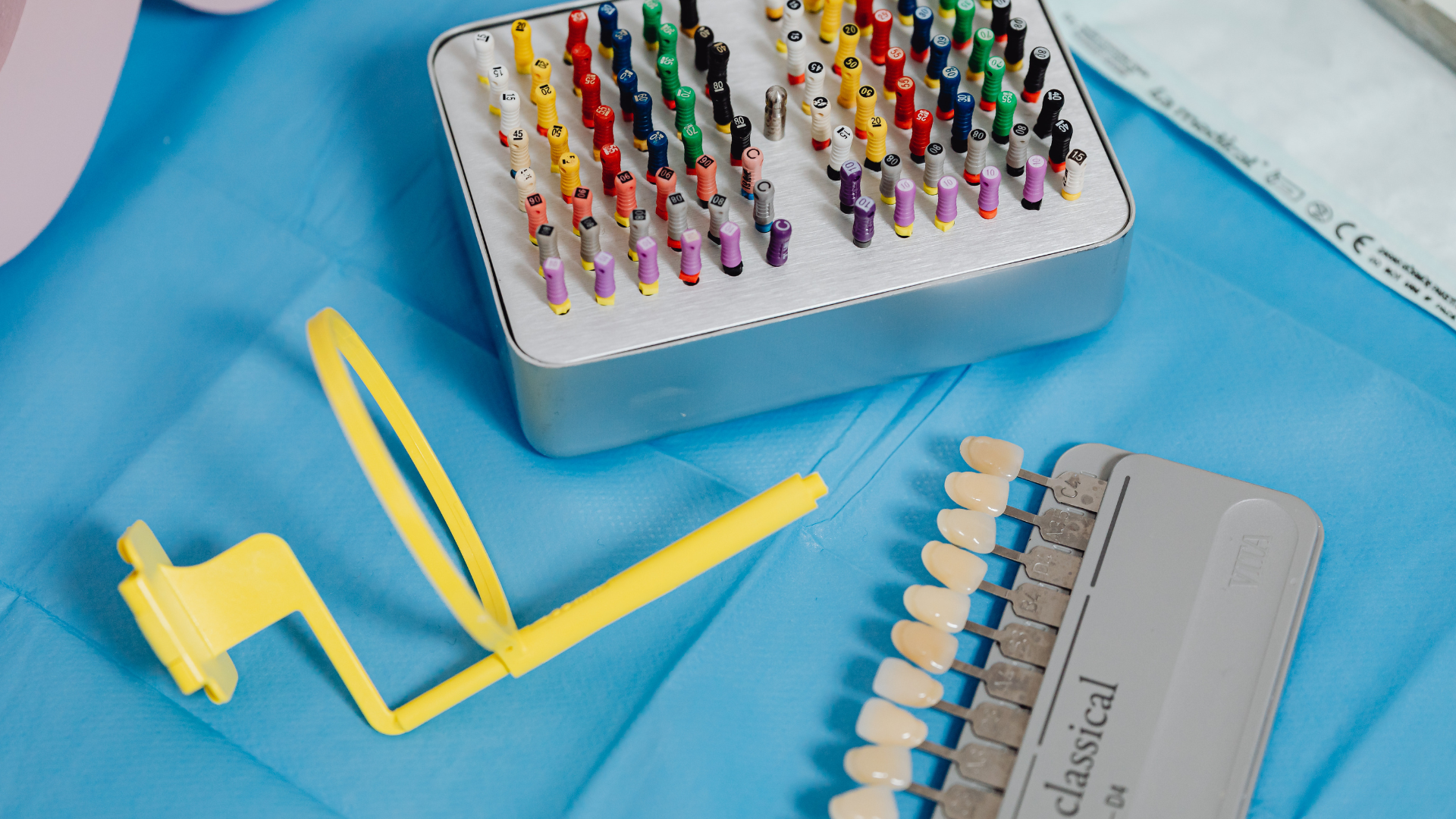
If you have crooked teeth, you may assume that braces or clear aligners are the only way to improve your smile. But what if your teeth are only slightly crooked and your main goal is to change how they look? In some cases, veneers can create the appearance of a straighter, more even smile without orthodontic treatment. The important distinction is that veneers change the visible shape of your teeth, while orthodontics physically moves teeth into different positions.
What Happens If You Don’t Wear SureSmile® Aligners Enough Hours?
September 16, 2026
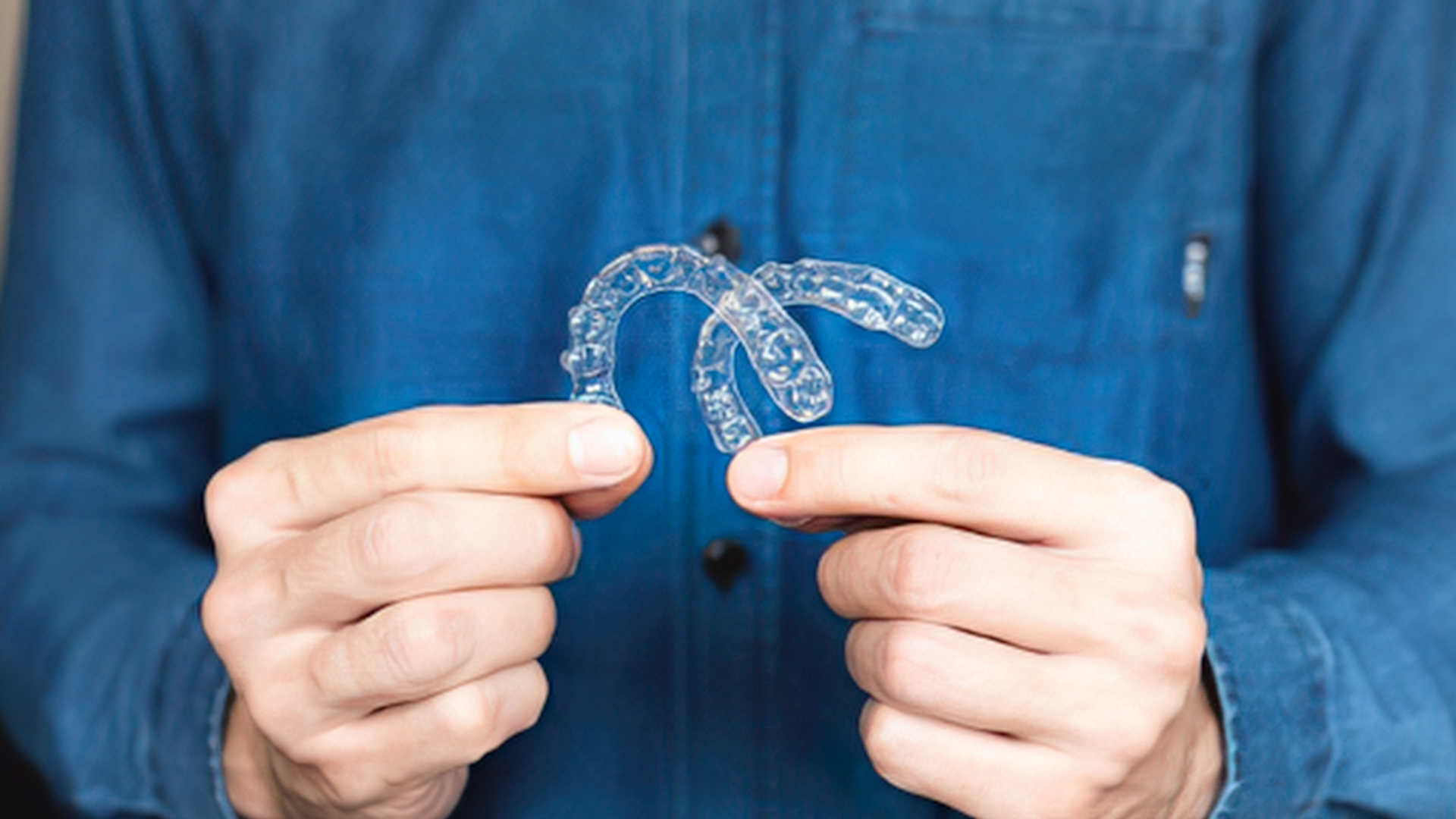
How Many Hours a Day Should You Wear SureSmile® Aligners? One of the biggest advantages of SureSmile® Clear Braces is that the aligners are removable, making it easier to eat, brush, floss, and go about your day without traditional brackets and wires. But that convenience also means you have an important role in your treatment progress because the aligners only work while you are wearing them. SureSmile® recommends wearing its aligners according to your doctor's instructions, typically about 20 to 22 hours each day, including while sleeping. At Gentle Dentistry, we want patients to understand that consistent wear is not simply a suggestion, but an important part of getting the results outlined in their personalized treatment plan. If you occasionally leave your aligners out a little longer than planned, there is no reason to panic. Life happens, and a forgotten aligner after lunch or an unexpectedly long dinner does not automatically ruin your treatment. The concern is when those missed hours become a regular pattern, because your teeth may not move according to the schedule your dentist planned. SureSmile® treatment is doctor-directed and includes regular check-ins specifically so your dentist can monitor whether your treatment is staying on track. Understanding what can happen when wear time consistently falls short can help you recognize when it is time to adjust your routine or contact Gentle Dentistry for guidance.

Show More