
Invisalign Attachments Explained: What They Are and Why You Might Need Them
What Are Invisalign Attachments?
If you are starting Invisalign treatment, you may hear your dentist mention “attachments.” For many patients, this raises immediate questions. Are they visible? Do they hurt? Are they necessary? At Gentle Dentistry, we make sure patients understand exactly what Invisalign attachments are and why they play such an important role in successful treatment.
Invisalign attachments are small, tooth-colored shapes temporarily bonded to specific teeth. They act like tiny anchors, helping the aligners apply precise pressure. Without them, certain tooth movements would be much harder to achieve.
Quick Answer: What Do Invisalign Attachments Do?
For those looking for a simple explanation:
Invisalign attachments:
- Help aligners grip teeth more effectively
- Allow complex tooth movements
- Improve predictability of results
- Speed up treatment in certain cases
- Remain tooth-colored and discreet
They are not decorative or optional add-ons. They are carefully planned components of your customized Invisalign treatment.
Why Invisalign Attachments Are Sometimes Necessary
Not every Invisalign patient needs attachments, but many do. Some tooth movements require more force or directional control than aligners alone can provide. Rotations, vertical shifts, and certain bite corrections often benefit from attachments.
These small additions give the aligners leverage. Think of them as handles that allow the aligner to guide teeth into place more efficiently. At Gentle Dentistry, each attachment is strategically placed based on digital treatment planning.
How Invisalign Attachments Work With Your Aligners
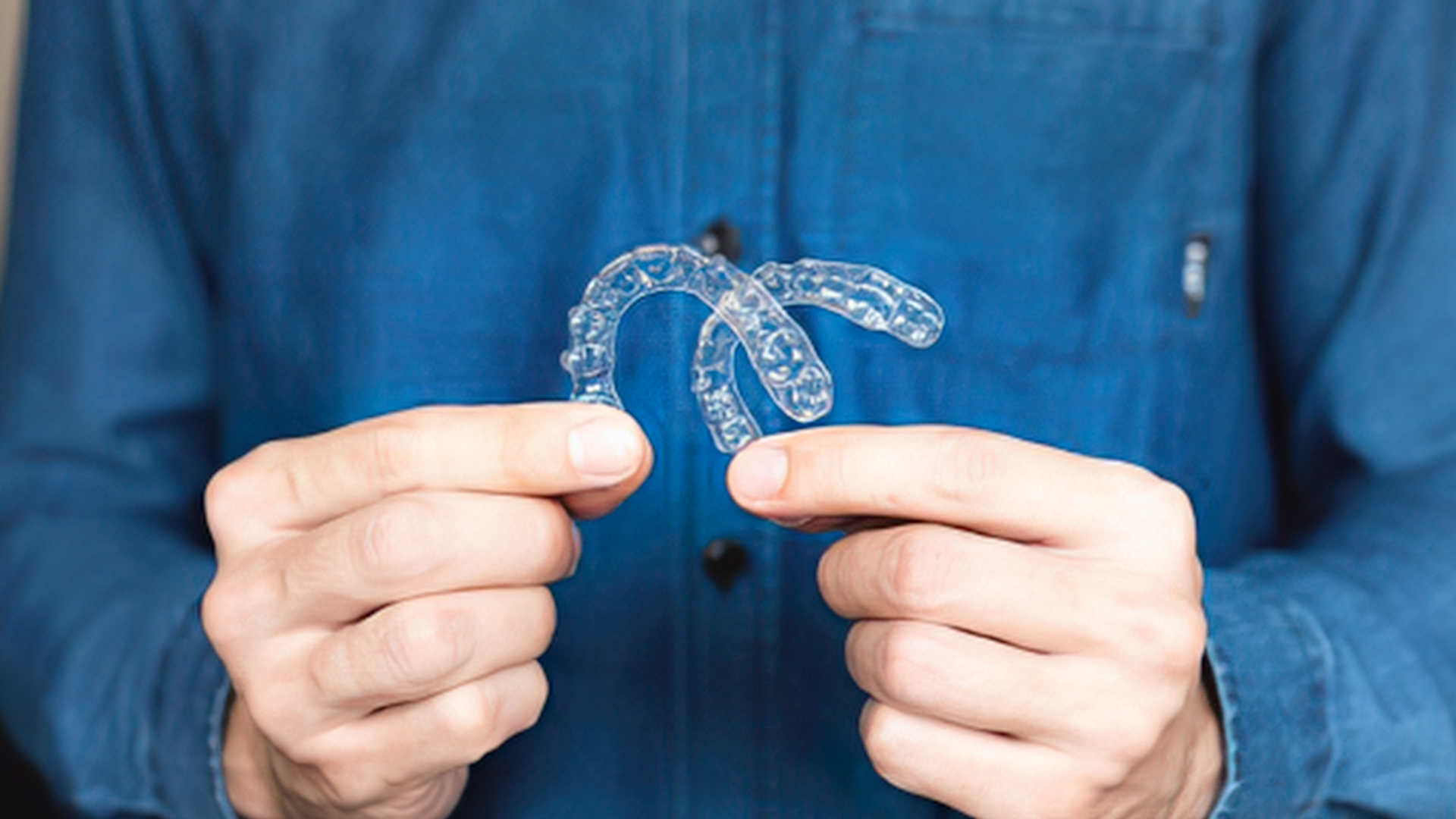
Invisalign uses a series of custom aligners that gradually move teeth. Attachments enhance this process by creating additional pressure points. When you insert your aligner, it fits snugly around the attachments, increasing control over movement.
This precision is what makes Invisalign effective for more complex cases today. Advances in orthodontic planning have expanded what clear aligners can accomplish. Attachments are a key reason for that improvement.
Are Invisalign Attachments Noticeable?
One of the biggest concerns patients have is appearance. Fortunately, Invisalign attachments are made from tooth-colored composite material. They are designed to blend in naturally with your enamel.
Most people will not notice them unless they are looking closely. In everyday conversations, meetings, or social settings, they remain subtle. Patients at Gentle Dentistry often report that others do not realize they are wearing aligners at all.
Do Invisalign Attachments Hurt?
The placement process is simple and comfortable. Attachments are bonded to teeth without drilling or numbing in most cases. You may feel mild pressure when starting a new aligner, but this sensation is temporary.
Some patients experience slight irritation as they adjust. However, this usually subsides within a few days. The pressure is actually a sign that your treatment is working effectively.
How Long Do You Keep Invisalign Attachments?
Attachments typically remain on your teeth for the duration of treatment. In some cases, they may be removed or repositioned partway through. This depends on how your teeth respond to movement.
Your dentist will monitor progress at regular appointments. Adjustments ensure that your treatment stays on track. At Gentle Dentistry, we prioritize precision and comfort throughout the process.
Caring for Teeth With Invisalign Attachments
Maintaining good oral hygiene is essential when wearing attachments. Because they create small raised surfaces, plaque can accumulate more easily if brushing is inconsistent. However, with proper care, attachments do not increase cavity risk.
Helpful tips include:
- Brushing after every meal
- Flossing daily
- Using a soft-bristled toothbrush
- Cleaning aligners thoroughly
- Attending regular checkups
Consistency keeps both your natural teeth and attachments clean and healthy.
What Happens When Attachments Are Removed?
Once Invisalign treatment is complete, attachments are gently polished off. The process is quick and painless. Your enamel remains intact, and your teeth feel smooth again.
Many patients are surprised at how simple removal is. It marks an exciting milestone in your smile transformation. Seeing your final results without attachments is often the most rewarding moment.
Why Attachments Make Invisalign More Effective
Attachments significantly expand what Invisalign can achieve. Without them, certain complex movements would require traditional braces. With them, aligners can address rotations, gaps, crowding, and bite alignment more precisely.
They help shorten treatment time in many cases. More importantly, they improve predictability. At Gentle Dentistry, we rely on detailed planning to ensure attachments are placed exactly where they are needed.
Common Myths About Invisalign Attachments
There are several misconceptions surrounding attachments. Clearing these up helps patients feel more confident before starting treatment.
Myth vs. Reality:
- Myth: Attachments permanently damage teeth.
Reality: They are temporary and safely removed. - Myth: They are highly visible.
Reality: They are tooth-colored and discreet. - Myth: Everyone gets the same attachments.
Reality: Placement is customized for each patient.
Understanding these facts makes the decision to begin treatment easier.
Are Invisalign Attachments Worth It?
If your treatment plan includes attachments, it is because they are necessary for optimal results. Skipping them would compromise movement precision and possibly extend treatment time. While they may feel unfamiliar at first, most patients adjust quickly.
The ultimate goal is a healthier, properly aligned smile. Attachments help make that goal achievable without traditional brackets and wires. If you have questions about Invisalign attachments or want to explore treatment options, reach out to Gentle Dentistry to get started today.
Additional Information
If you would like to learn more about Invisalign treatment and what to expect, these internal resources provide helpful guidance:
- The Best Time to Start Invisalign: Why Timing Matters
- How Invisalign Affects Speech and Comfort During the First Week
- Does Dental Insurance Cover Invisalign? Financing Your Smile
These articles expand on planning, comfort, and financial considerations so you can feel fully informed before beginning Invisalign treatment.